
Is your snoring “just annoying,” or is it actually cutting into sleep quality?
Do you need a gadget, a doctor visit, or an anti snoring mouthpiece?
And why does this turn into a relationship argument at 2:00 a.m.?
Snoring is having a cultural moment. People are comparing sleep trackers, testing viral hacks, and buying travel-friendly sleep gear. At the same time, more headlines are nudging readers to take sleep apnea seriously and to show up prepared with questions for their clinician.
This guide answers the three questions above with direct, practical context. It’s not a substitute for medical care. It is a way to think clearly before you spend money, lose patience, or blame your partner for something they may not control.
Is snoring really harming sleep quality—or just the mood?
Snoring can be “only noise,” but it often does more than annoy the person next to you. It can fragment sleep for both people. That leads to the classic next-day combo: short fuse, brain fog, and a weird sense that you slept but didn’t recover.
Relationship tension is a predictable side effect. One person feels judged. The other feels desperate. Add workplace burnout, early meetings, or travel fatigue, and the bedroom becomes a negotiation table instead of a rest zone.
Signals that it’s more than a minor nuisance
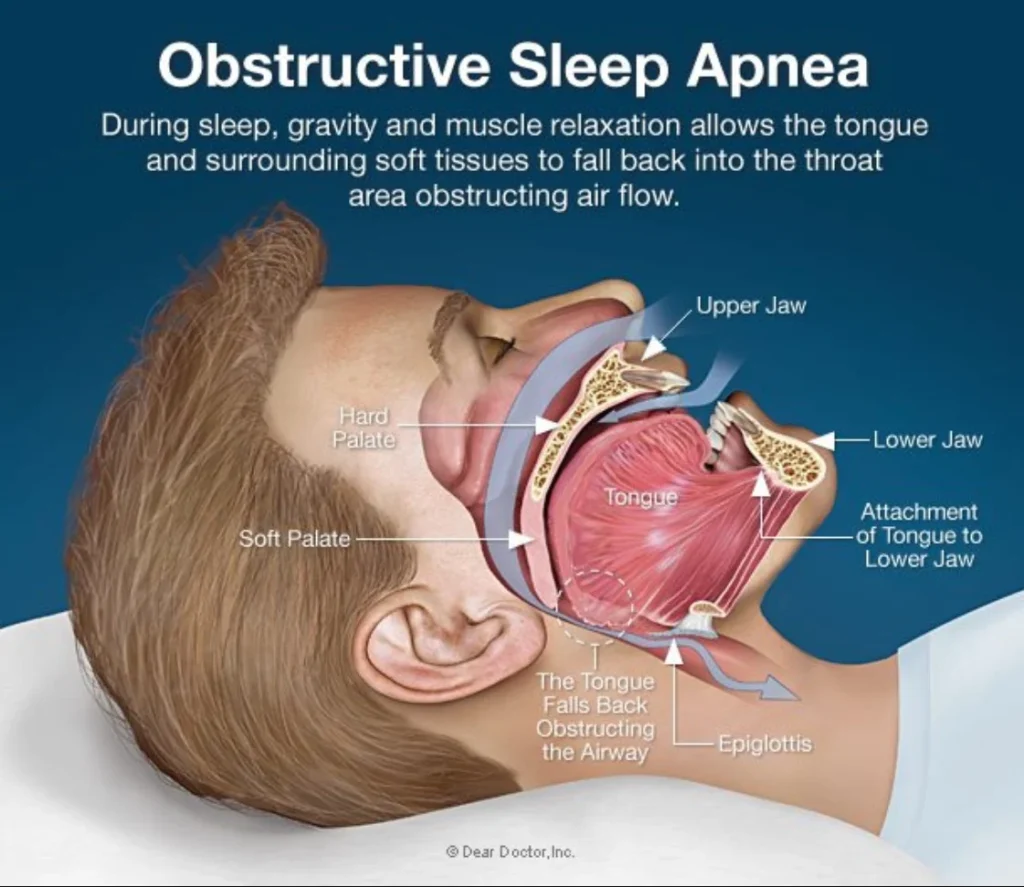
If snoring is paired with heavy daytime sleepiness, morning headaches, or reports of gasping or breathing pauses, don’t treat it like a joke. Those can be signs linked with obstructive sleep apnea (OSA), which is widely discussed in mainstream health guidance. A clinician can evaluate symptoms and decide whether testing is appropriate.
What should we ask a doctor if sleep apnea is on the table?
Recent health coverage has emphasized being ready with specific questions instead of walking in with a vague “I’m tired.” That’s smart. The right questions speed up clarity and reduce the trial-and-error loop.
Here are high-yield prompts you can bring to an appointment:
- Could my symptoms suggest OSA, and what makes you think yes or no?
- Do I need a sleep study, and what type is appropriate for me?
- What treatment options fit my severity and anatomy?
- If I try an oral appliance, should it be dentist-fitted?
- What changes should my partner watch for (snoring, pauses, gasping)?
If you want a quick reference tied to the current conversation, read this: Top Questions to Ask Your Doctor About OSA Treatment. Use it as a checklist, not a diagnosis.
Do anti-snoring mouthpieces work, and who are they for?
An anti snoring mouthpiece is usually designed to keep the airway more open during sleep by changing jaw or tongue position. People often consider one when snoring is frequent, especially if it’s worse on the back or after alcohol, or when a partner is reaching the “separate bedrooms” stage.
They’re also popular because they’re simple. No charging. No app. No travel adapter. That matters when you’re jet-lagged, sharing a hotel room, or trying to protect sleep during a stressful work stretch.
What mouthpieces can do well
- Reduce snoring volume or frequency for some users, especially positional snorers.
- Create a clear routine that helps couples feel like there’s a plan, not just blame.
- Offer a lower-friction entry point than many other interventions.
What mouthpieces can’t do
They aren’t guaranteed, and they aren’t a universal fix for sleep apnea. If OSA is suspected, a mouthpiece should be part of a clinician-guided conversation. That matters because untreated sleep apnea is associated with meaningful health risks.
Which snoring “trends” are worth trying—and which need caution?
Sleep gadgets are everywhere right now. Some are helpful, some are hype, and many are “it depends.” The best filter is simple: does it improve breathing and sleep quality safely, night after night?
Sleep tech and wearables
Trackers can be motivating. They can also fuel anxiety if you chase perfect scores. Use them to spot patterns (alcohol nights, travel nights, back-sleeping nights), not to self-diagnose.
Mouth taping
Mouth taping has been discussed widely as a trend. It may sound like a shortcut to nasal breathing, but it’s not appropriate for everyone. Nasal obstruction, reflux, anxiety, and possible sleep-disordered breathing can complicate the picture. If you’re tempted, ask a clinician first.
“Just sleep on your side” advice
Side sleeping can help some people. Still, it’s hard to maintain all night, especially when you’re exhausted. That’s why many couples end up looking for an option that doesn’t rely on willpower at 3:00 a.m.
How do we talk about snoring without starting a fight?
Snoring conversations often fail because they happen in the worst moment: right after someone gets jolted awake. Try a daytime reset instead.
- Lead with impact, not accusation: “I’m not recovering from sleep” lands better than “You’re ruining my life.”
- Pick a shared goal: more energy, less irritability, fewer separate-room nights.
- Agree on a trial window: two weeks is long enough to learn, short enough to commit.
That framing turns the issue into a team problem. It also makes it easier to take the next step, whether that’s a mouthpiece trial, a clinician visit, or both.
What should I look for when shopping for a mouthpiece?
Focus on fit, comfort, and consistency. If it’s painful or bulky, you won’t wear it. If you don’t wear it, it won’t help.
- Adjustability: small changes can matter for comfort.
- Materials and cleaning: simple maintenance supports long-term use.
- Return policy: snoring solutions are personal; flexibility helps.
- Dental considerations: if you have TMJ issues, loose teeth, or significant dental work, get guidance first.
If you’re comparing products, start here: anti snoring mouthpiece. Use it to narrow choices based on your situation.
FAQ: quick answers for real-life snorers
Can I use a mouthpiece if I grind my teeth?
Maybe, but it depends on the design and your bite. Teeth grinding can affect comfort and fit. A dentist can help you avoid aggravating jaw or tooth issues.
How fast should I expect results?
Some people notice changes quickly, while others need several nights to adjust. If symptoms worsen or you feel unwell, stop and get medical advice.
What if my partner snores and refuses help?
Make it about shared sleep and health, not criticism. Offer a limited trial and agree on what “success” looks like (fewer wake-ups, less noise, better mornings).
Next step: pick a plan you can stick to
If snoring is stealing sleep, you don’t need another argument. You need a decision: screen for red flags, ask better questions, and try a solution with a clear trial window.
How do anti-snoring mouthpieces work?
Medical disclaimer: This article is for general education only and is not medical advice. Snoring can be a sign of obstructive sleep apnea or other conditions. If you have breathing pauses, choking/gasping, chest pain, severe daytime sleepiness, or other concerning symptoms, seek evaluation from a qualified clinician.