
Snoring is funny—until you’re tired all day.
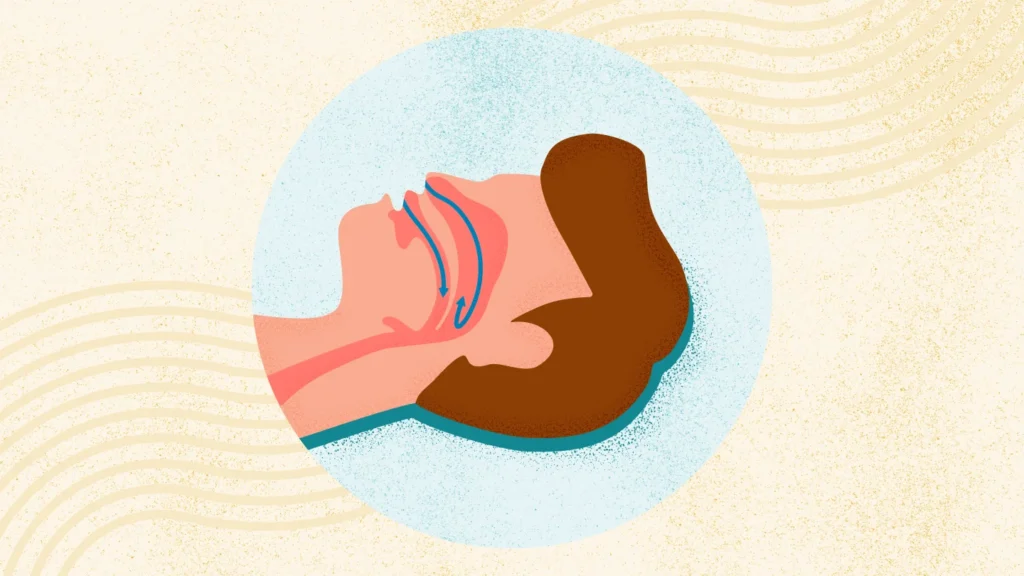
It turns “I slept eight hours” into “I was in bed for eight hours.”
If your sleep feels worse lately, an anti snoring mouthpiece can be a practical, low-drama step—especially when you pair it with smarter timing and basic sleep habits.
Overview: why snoring is suddenly everyone’s topic
Sleep is having a cultural moment. People are trying wearables, sunrise lamps, white-noise machines, and “expert-approved” quick hacks to fall asleep faster. Some of it helps. Some of it just adds more stuff on the nightstand.
Meanwhile, snoring keeps showing up as the unglamorous blocker. It’s also tied to bigger conversations about sleep health. Many public health sources warn that loud, chronic snoring can overlap with conditions like obstructive sleep apnea, which is why it’s worth paying attention when symptoms stack up.
If you want a plain-language refresher, see this related explainer on Here are five behavioral and psychological tips for a fresh start toward better sleep in the new year, spanning five categories — sleep drive, circadian rhythm, sleep hygiene, overthinking and pre-bed activity. https://wapo.st/3MQgP1D.
Timing: when to address snoring (and when not to wait)
Most people tackle snoring after a breaking point: travel fatigue, a stressful work stretch, or a partner’s “one more night of this and I’m moving to the couch” joke that stops being a joke. A better approach is to pick a short trial window and evaluate results.
Choose a 14-night test window
Two weeks is long enough to notice patterns. It also keeps you from quitting after one weird night. Start when your schedule is stable, not during a red-eye travel week or a big deadline sprint.
Act sooner if red flags show up
Don’t treat a mouthpiece as a workaround if you have signs like choking or gasping during sleep, witnessed breathing pauses, or heavy daytime sleepiness. Those are reasons to talk with a clinician and ask about sleep apnea screening.
Use “relationship timing,” too
If snoring is affecting your partner, don’t wait for resentment. Pick a start date together. Agree on what “better” means (less noise, fewer wake-ups, more energy in the morning).
Supplies: what you actually need (skip the clutter)
You don’t need a whole sleep-gadget ecosystem. Keep it simple and measurable.
- A tracking method: notes app, sleep diary, or partner feedback. Wearables are optional.
- Comfort basics: water at bedside, nasal strips if congestion is common, and a supportive pillow.
- A mouthpiece option: if your snoring seems position-related, an anti-snoring mouthpiece may be worth testing.
If you’re comparing options, start here: anti snoring mouthpiece.
Step-by-step (ICI): a simple plan to improve sleep quality
This is an ICI plan: Identify the likely trigger, Choose one main lever, then Iterate based on results.
1) Identify what’s driving your snoring
Snoring often spikes with common, boring factors: sleeping on your back, alcohol close to bedtime, nasal congestion, or being overtired. Travel can amplify all of these at once. So can burnout, when your bedtime drifts and your wind-down disappears.
Write down three things for seven nights: bedtime, alcohol (yes/no), and sleep position (back/side). Add “partner woke me” if that happens.
2) Choose your main lever: position + airway + routine
Pick one primary change so you can tell what worked.
- If you’re a back sleeper: aim for side-sleeping support (pillow strategy) and consider a mouthpiece trial.
- If you’re congested: prioritize nasal comfort and bedroom air. A mouthpiece may still help, but congestion can mask results.
- If you’re wired at night: keep pre-bed activity short and predictable. Many sleep experts emphasize reducing overthinking and stimulating tasks right before bed.
3) Iterate with a 3-checkpoint review
Check in on nights 3, 7, and 14. Look for these signals:
- Noise: less snoring volume or fewer “spikes” that wake someone up.
- Continuity: fewer awakenings, easier return to sleep.
- Daytime: less fog, fewer headaches, more stable mood.
If snoring improves but comfort is an issue, adjust fit and give it a few more nights. If symptoms feel worse, stop and seek medical guidance.
Mistakes that waste money (and sleep)
Stacking too many changes at once
New mouthpiece, new supplement, new app, new bedtime—then you have no idea what helped. Make one main change and support it with basics.
Chasing “fall asleep fast” but ignoring sleep quality
Quick hacks can help you wind down. They don’t automatically fix snoring or repeated micro-wake-ups. If you wake up unrefreshed, continuity matters as much as sleep onset.
Treating loud snoring as a personality trait
Snoring gets played for laughs in relationship humor. Still, consistent loud snoring plus daytime sleepiness can be a health signal, not just a quirk.
Forcing a bad fit
If a mouthpiece causes jaw pain, tooth discomfort, or you dread putting it in, you won’t stick with it. Comfort drives consistency, and consistency drives useful results.
FAQ
Is snoring always a health problem?
Not always. It can be situational. But persistent loud snoring, especially with other symptoms, deserves attention.
Can an anti snoring mouthpiece help my partner sleep better?
It can if it reduces snoring volume or frequency. Partner sleep disruption is a real quality-of-life issue, even when the snorer feels “fine.”
What if my snoring is worse after travel?
That’s common. Dry air, alcohol, odd sleep positions, and sleep debt can all increase snoring. Re-test once you’re back to a normal routine.
Do I still need sleep hygiene if I use a mouthpiece?
Yes. A mouthpiece targets mechanics. Sleep hygiene supports the whole system: schedule, light exposure, stress, and wind-down.
CTA: pick a simple next step tonight
If your goal is better sleep quality (not just more time in bed), run a 14-night trial with one clear change and track the outcome. If a mouthpiece is your chosen lever, start with a product built for snoring and prioritize comfort.
How do anti-snoring mouthpieces work?
Medical disclaimer: This article is for general education only and isn’t medical advice. Snoring can be a sign of obstructive sleep apnea or other conditions. If you have choking/gasping, witnessed breathing pauses, chest pain, severe daytime sleepiness, or concerns about safety, talk with a qualified clinician.