
Snoring used to be a punchline. Now it’s a productivity problem.
Between travel fatigue, burnout, and a flood of sleep gadgets, people want a fix that feels simple.
Here’s the practical take: prioritize safety, screen for red flags, then choose a tool—like an anti snoring mouthpiece—that matches your situation.
Overview: what people are trying (and why it’s getting messy)
Scroll for five minutes and you’ll see the same themes: mouth taping, smart rings, nasal strips, “biohacking” routines, and partner-approved hacks. Some ideas are harmless. Others can backfire if they hide a bigger issue.
Recent coverage has highlighted concerns about viral mouth-taping. The core worry is straightforward: if you restrict breathing without knowing why you’re snoring, you may create risk instead of relief.
If you want a quick read on that conversation, see this related coverage: Scientists warn against viral nighttime mouth-taping trend.
Timing: when to act now vs. when to get checked first
Snoring after a late flight, a few drinks, or a congested week happens. The bigger concern is a pattern that sticks around and leaves you drained.
Move to “screen first” if any of these show up
- Choking, gasping, or witnessed breathing pauses during sleep
- Morning headaches, dry mouth, or sore throat most days
- Excessive daytime sleepiness or dozing off easily
- High blood pressure or other cardiometabolic concerns (ask your clinician)
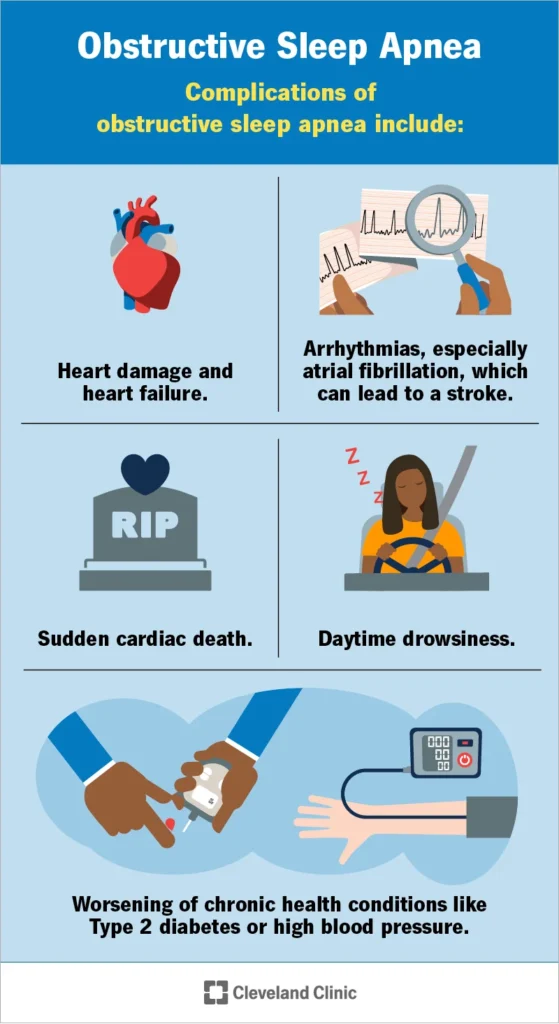
These don’t confirm sleep apnea, but they are reasons not to rely on a trend-based hack. Sleep apnea is widely discussed as a condition with meaningful health impact, so it’s worth taking seriously.
Supplies: what you actually need (no gadget pile)
You can keep this lean. Your goal is fewer variables and clearer feedback.
- A simple sleep note (phone notes is fine) to track bedtime, wake time, and how you feel
- A partner check-in plan (quick rating of snoring volume, not a nightly argument)
- Optional: a basic audio snore recorder for patterns, not perfection
- An oral option if appropriate: an anti snoring mouthpiece you can fit and clean consistently
If you’re shopping, consider a combined approach if mouth opening is part of the issue. Here’s an example product category people look for: anti snoring mouthpiece.
Step-by-step (ICI): Identify → Choose → Implement
1) Identify your likely snoring pattern
Keep it basic for one week. Note what changes snoring: alcohol, late meals, back sleeping, congestion, or stress spikes. Workplace burnout often shows up as inconsistent sleep timing, which can make everything louder at night.
Also note relationship context. If your partner is nudging you at 2 a.m., you’re not alone. Humor helps, but data helps more.
2) Choose the lowest-risk first move
If red flags exist, choose evaluation before experimentation. If red flags are absent, start with reversible steps: side sleeping, nasal support for congestion, and consistent sleep timing.
Be cautious with any method that restricts breathing (including mouth taping). If you can’t breathe freely through your nose when awake, don’t assume you’ll do better asleep.
3) Implement a mouthpiece plan that’s realistic
A mouthpiece works best when you treat it like a routine, not a rescue device.
- Fit for comfort: Follow the manufacturer’s instructions. Don’t force a painful position.
- Ramp up use: Wear it for short periods before sleep for a few nights, then overnight.
- Track outcomes: Rate morning energy and partner-reported snoring 1–10.
- Clean and store: Rinse and clean daily to reduce odor and irritation risk.
If you notice jaw pain, tooth discomfort, or worsening sleep, pause and reassess. Comfort is not optional.
Mistakes that waste money (or create risk)
Chasing a viral fix instead of a repeatable routine
Sleep trends move fast. Your airway doesn’t. Pick one change at a time so you know what helped.
Ignoring screening signs because snoring feels “normal”
Plenty of people snore. Still, loud habitual snoring plus fatigue deserves attention. If you suspect sleep apnea, a clinician can guide testing and options.
Overtightening, over-advancing, or “toughing it out”
More pressure doesn’t automatically mean better airflow. Discomfort often leads to inconsistent use, which kills results.
Skipping documentation
Write down what you tried and when. If you end up seeing a professional, that timeline helps and reduces guesswork.
FAQ: quick answers people want before bed
Can I combine a mouthpiece with other sleep tools?
Often, yes—like side-sleeping supports or nasal care. Avoid stacking restrictive methods without guidance.
What if snoring improves but I’m still exhausted?
That’s a clue to look deeper. Poor sleep quality can come from many causes, including apnea, stress, or fragmented sleep.
Do travel and jet lag make snoring worse?
They can. Dry hotel air, alcohol, and back-sleeping can add up, especially after long trips.
CTA: pick the next safe step
If you want a clearer path than “try everything,” start with screening and a simple routine. Then decide whether an oral option fits your pattern and comfort needs.
How do anti-snoring mouthpieces work?
Medical disclaimer: This article is for general education only and is not medical advice. It does not diagnose, treat, or replace care from a licensed clinician. If you suspect sleep apnea or have choking/gasping, breathing pauses, severe daytime sleepiness, or chest pain, seek medical evaluation promptly.