
Snoring used to be a punchline. Now it’s showing up in sleep-tracker charts, couples’ group chats, and travel recovery plans.
Between new “connected” sleep gadgets and viral hacks, it’s easy to try everything and still wake up tired.
Thesis: If you want better sleep quality fast, pair common-sense home steps with smart screening—and use an anti snoring mouthpiece only when it fits your situation.
What people are buzzing about (and why it’s noisy)
Sleep is having a moment. Wearables score your “readiness.” Hotels sell blackout kits. Workplaces talk about burnout like it’s weather.
That cultural shift has also made snoring harder to ignore. Partners joke about “separate bedrooms,” but the real issue is disrupted sleep for both people.
Trend check: oral appliances + connected care
Recent coverage has highlighted oral appliances being tested within more connected care setups. Translation: mouth-based options are getting more attention, not less.
That’s good news if you want something smaller than a machine. It’s also a reminder that snoring can overlap with sleep apnea, which deserves real evaluation.
Trend check: mouth taping debates
Mouth taping keeps popping up in headlines and social feeds. Some people like it, some hate it, and many shouldn’t try it at all.
If your nose is blocked or you might have sleep apnea, taping can be a bad idea. Don’t let a trend pressure you into a risky experiment.
What matters medically (snoring isn’t always “just snoring”)
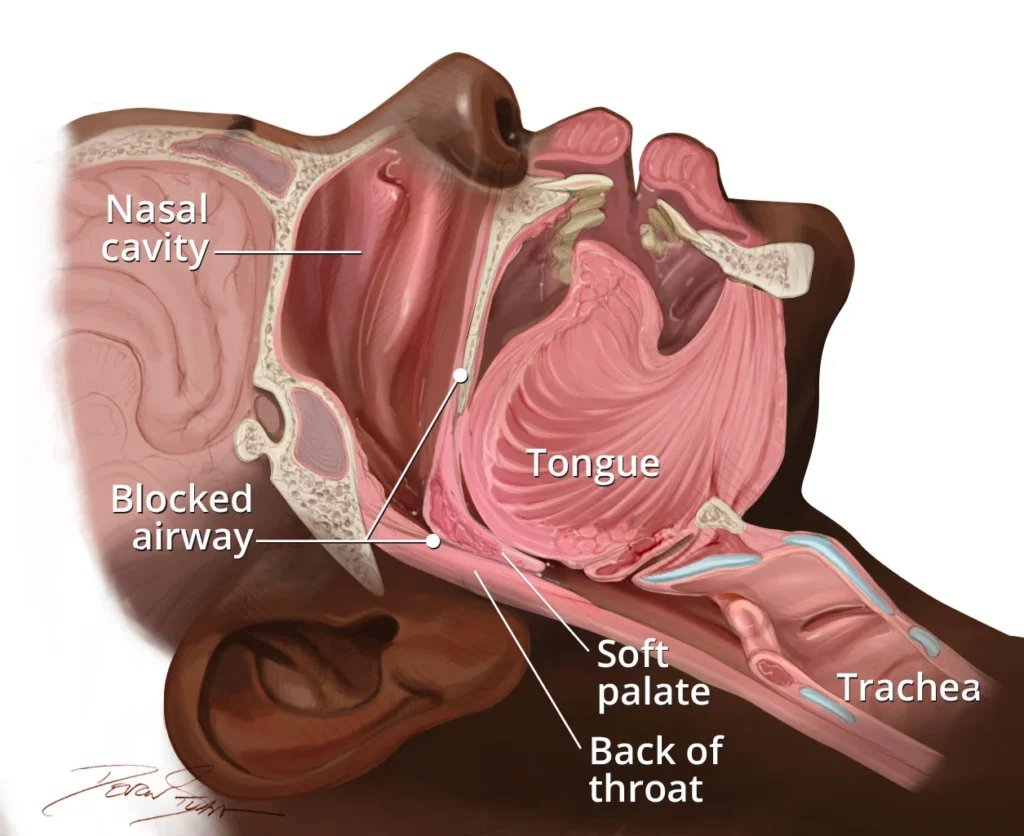
Snoring happens when airflow is partially blocked and tissues vibrate. Sometimes it’s a simple positioning issue. Sometimes it’s a sign your breathing is repeatedly compromised during sleep.
Major medical sources emphasize that sleep apnea has recognizable symptoms and risk factors. They also note that sleep apnea can be tied to broader health concerns, including cardiovascular strain.
Obstructive vs central: why the distinction matters
Headlines have been comparing obstructive sleep apnea (airway blockage) and central sleep apnea (the brain’s breathing signals misfire). Both can be serious, and both need clinician input.
If you want a deeper overview, see this related explainer: Central Sleep Apnea vs. Obstructive Sleep Apnea: Which Is More Serious?.
Red flags that should change your plan
- Someone notices breathing pauses, choking, or gasping
- You wake up with headaches, dry mouth, or a racing heart
- Daytime sleepiness that affects driving, work, or mood
- High blood pressure or heart risk factors (talk to your clinician)
If any of these fit, don’t treat a mouthpiece like a DIY diagnosis. Use it as a comfort tool only after you’ve considered screening.
How to try at home (without turning your nightstand into a lab)
Start with the basics for 7–14 nights. Keep it simple, then add one change at a time. That protects you from false “wins” and helps you document what actually worked.
Step 1: reduce the easy triggers
- Side-sleep when possible (back-sleeping often worsens snoring)
- Limit alcohol close to bedtime
- Address nasal stuffiness with safe, non-prescription strategies you tolerate
- Keep your room cool and dark; protect your wind-down time
Travel fatigue makes all of this harder. Jet lag, dehydration, and unfamiliar pillows can amplify snoring for a few nights.
Step 2: decide if a mouthpiece is a reasonable next move
An anti snoring mouthpiece is usually considered when snoring is frequent, positional, and not paired with strong apnea red flags. Many mouthpieces work by supporting the lower jaw or tongue to help keep the airway more open.
If you want to compare options, start here: anti snoring mouthpiece.
Step 3: document like you mean it (safety + clarity)
- Track: bedtime, wake time, alcohol, congestion, and sleep position
- Note: jaw soreness, tooth discomfort, or gum irritation
- Use: partner feedback or a simple snore-recording app (not as a diagnosis)
This “paper trail” helps you decide quickly whether the mouthpiece is helping or just adding discomfort.
When to stop experimenting and get help
If symptoms suggest sleep apnea, ask about a sleep evaluation. Screening can be straightforward, and it’s the fastest way to reduce risk.
Also get help if a mouthpiece causes persistent jaw pain, tooth movement concerns, or headaches. Comfort matters, but safety matters more.
Relationship reality check
If snoring is straining your relationship, treat it like a shared problem, not a character flaw. A plan beats nightly negotiations.
Agree on a two-week trial with clear checkpoints: fewer wake-ups, better morning energy, and less “I heard you from the hallway.”
FAQ
Can an anti snoring mouthpiece help if I only snore sometimes?
It can, especially if snoring shows up with back-sleeping, alcohol, congestion, or travel fatigue. If you also have choking/gasping or heavy daytime sleepiness, get screened first.
What’s the difference between a mouthpiece and CPAP?
A mouthpiece aims to keep the airway more open by changing jaw/tongue position. CPAP uses air pressure. CPAP is often used for diagnosed sleep apnea; a clinician can help you choose.
Is mouth taping safe for snoring?
It’s a social-media trend, but it isn’t right for everyone and can feel unsafe if you have nasal blockage or possible sleep apnea. If you try it, prioritize safety and stop if you feel anxious or short of breath.
How long does it take to get used to a mouthpiece?
Many people need a short adjustment period. Start with a few nights of gradual use and track comfort, jaw soreness, and sleep quality.
When should snoring be treated as a medical issue?
Seek evaluation if you have loud snoring with choking/gasping, witnessed breathing pauses, morning headaches, high blood pressure, or major daytime sleepiness.
CTA: make a clean, low-drama next step
If your snoring looks more “mechanical” than “medical,” a mouthpiece may be a practical next test—especially when you track results and stop if it causes pain.
How do anti-snoring mouthpieces work?
Medical disclaimer: This article is for general education and isn’t medical advice. Snoring can be a symptom of sleep apnea or other conditions. If you have breathing pauses, choking/gasping, significant daytime sleepiness, chest pain, or heart-related concerns, seek care from a qualified clinician.