
Before you try anything tonight, run this quick checklist:
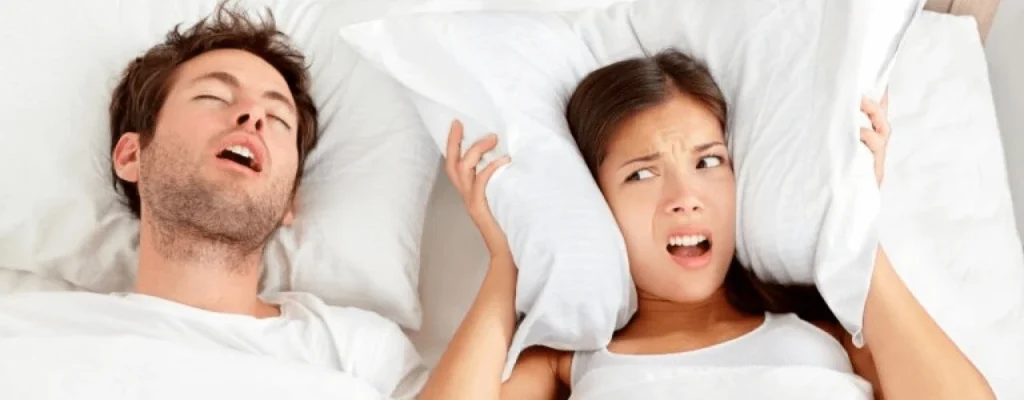
- Is it “just noise” or a sleep-quality problem? You wake up tired, foggy, or irritable.
- Are there red flags? Gasping, choking, or someone notices breathing pauses.
- Is stress making it worse? Travel fatigue, late-night scrolling, or burnout can amplify snoring and light sleep.
- Is your partner at their limit? If yes, treat it like a shared problem, not a personal flaw.
Snoring is having a moment in the culture. Everyone’s comparing sleep trackers, testing new gadgets, and joking about “sleep divorce.” Under the humor, there’s a serious point: better sleep changes your mood, focus, and relationships. If you’re researching an anti snoring mouthpiece, you’re probably looking for something practical that doesn’t require a full bedroom overhaul.
Is snoring actually hurting your sleep quality (or just your partner’s)?
Sometimes snoring is mainly a relationship issue: one person is asleep, the other is staring at the ceiling doing mental math about how many hours are left. Other times, snoring comes with fragmented sleep for the snorer too.
Clues it may be affecting your sleep quality include morning headaches, dry mouth, brain fog, and dozing off too easily during the day. If you feel “tired but wired,” that can also point to poor sleep architecture from repeated micro-awakenings.
Why it feels worse lately
In recent health coverage, sleep is being framed as a whole-body issue, not a luxury. People are also talking more openly about apnea, weight changes, and the ripple effects of stress. Add busy travel seasons and workplace burnout, and you get a perfect storm: irregular schedules, more alcohol at events, and less recovery time.
Could this be sleep apnea, and does that change what you should do?
Snoring can happen without sleep apnea. Still, it’s smart to know the basics because sleep apnea is common and often underrecognized. General medical guidance lists symptoms like loud snoring, witnessed breathing pauses, gasping, and daytime sleepiness as reasons to get evaluated.
You may also see discussions comparing obstructive and central sleep apnea. In plain terms, obstructive relates to airway blockage, while central relates to breathing control signals. Either way, a clinician should diagnose it.
If you want a general, non-specific overview of the current conversation around apnea and lifestyle, see this related coverage: How Weight Loss Can Help Your Sleep Apnea.
What does an anti snoring mouthpiece actually do?
Most anti-snoring mouthpieces aim to improve airflow by changing jaw and/or tongue position during sleep. Think of it as creating a little more “breathing room” in the back of the throat. That can reduce vibration (snoring sound) for some sleepers.
It’s not a magic wand, and it’s not the right match for every cause of snoring. Nasal congestion, alcohol close to bedtime, and back-sleeping can still overpower a mouthpiece in some cases.
Who tends to like mouthpieces
- People who want a non-electronic option (no charging, no app, no firmware updates).
- Couples who want something that helps quickly while they work on longer-term habits.
- Travelers who snore more in hotels because routines are off and sleep is lighter.
What should you check before buying one?
Skip the hype and focus on fit, comfort, and consistency. A mouthpiece that stays in a drawer doesn’t help anyone.
- Comfort: If it triggers gagging or jaw soreness, you won’t wear it.
- Breathing route: If you’re a mouth-breather due to congestion, you may need to address nasal issues too.
- Partner feedback: Use a simple scale (0–10) for “snore loudness” and track it for a week.
- Red flags: If apnea symptoms are present, don’t self-manage only with gadgets.
A note on chinstraps
Some people like a combo approach, especially if mouth opening is part of the problem. If you’re comparing options, here’s a related product page to review: anti snoring mouthpiece.
What are people changing right now besides gadgets?
Sleep advice trends keep circling back to behavior: protect your sleep drive, anchor your body clock, clean up the bedroom routine, and calm the overthinking loop. Those are not glamorous, but they’re effective for many people.
Try pairing any mouthpiece plan with one simple habit shift for two weeks. Pick just one: consistent wake time, less alcohol near bedtime, or a shorter “wind-down” that doesn’t involve doomscrolling. Small changes stack.
How do you talk about snoring without starting a fight?
Snoring can feel personal, even when it’s just anatomy and sleep pressure. Keep it practical. Use “we” language and aim for a shared win: better sleep for both people.
- Say: “I miss waking up rested. Can we test a couple options this week?”
- Avoid: “You keep me awake every night.” (True, but it lands like blame.)
- Agree on a trial: One week of tracking, one change at a time.
When should you stop experimenting and get medical help?
If you suspect sleep apnea—especially with witnessed pauses, gasping, or significant daytime sleepiness—talk to a qualified clinician. Mouthpieces can be helpful for some people, but they’re not a substitute for evaluation when symptoms point to a medical condition.
Common questions
How long should I test a mouthpiece before deciding?
Give it enough time to assess comfort and partner-reported noise. A short trial is usually more useful than a single night judgment.
Can weight changes affect snoring?
They can for some people. Many discussions around sleep apnea and snoring mention that lifestyle factors, including weight, may influence airway dynamics. Individual results vary.
Do sleep trackers help with snoring?
They can help you notice patterns, like worse nights after late meals or alcohol. Treat the data as a clue, not a diagnosis.
Medical disclaimer: This article is for general education only and is not medical advice. Snoring can have many causes, including sleep apnea. If you have choking/gasping, witnessed breathing pauses, chest pain, severe daytime sleepiness, or other concerning symptoms, seek care from a licensed clinician.