
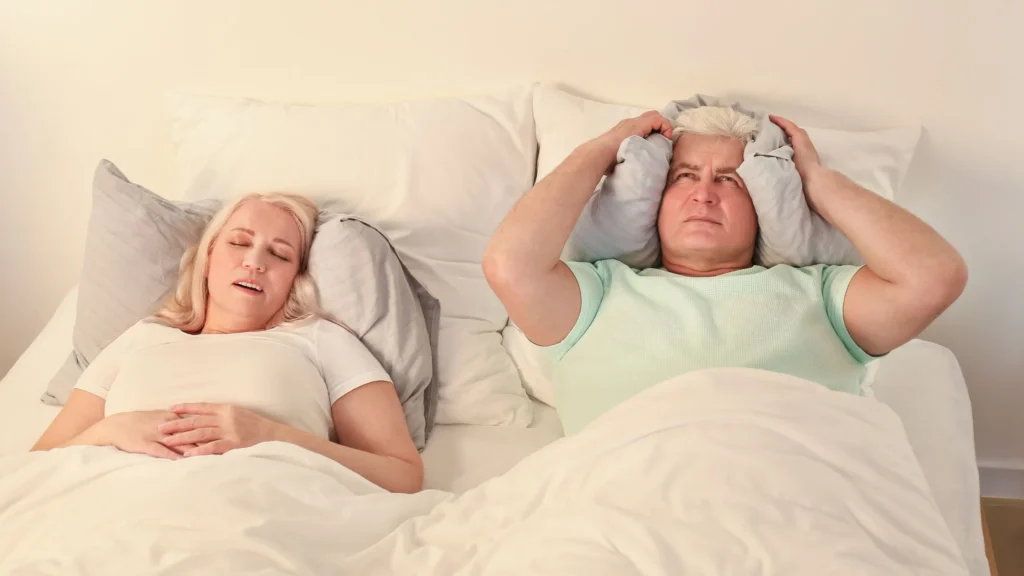
Snoring has a way of turning into a household “news alert.” One person laughs it off. The other person stares at the ceiling and rethinks the relationship.
Meanwhile, sleep gadgets keep going viral, and burnout makes everyone chase a quicker fix.
Here’s the real takeaway: better sleep starts with basics, but an anti snoring mouthpiece can be a practical tool when the fit, comfort, and routine are done right.
What people are talking about lately (and why it matters)
Sleep is having a moment. You see it in wearables, “connected” health devices, and the constant hunt for hacks that promise a quieter night.
Travel fatigue is another driver. Late flights, hotel pillows, and a few drinks can turn a mild snorer into a freight train. That’s when partners start negotiating pillow walls and “you owe me coffee” jokes.
There’s also more discussion about sleep apnea in general—especially how different types are described and why snoring can be more than a nuisance. If you want a quick overview of what people mean when they compare types, this headline-style explainer is a helpful starting point: Central Sleep Apnea vs. Obstructive Sleep Apnea: Which Is More Serious?.
What matters for sleep health (the plain-language version)
Snoring usually happens when airflow gets turbulent and soft tissues in the throat vibrate. That can be influenced by sleep position, nasal congestion, alcohol, and how relaxed your airway muscles get at night.
Sleep apnea is different. It involves repeated breathing interruptions or reduced breathing during sleep. Some people with sleep apnea snore, but not everyone who snores has sleep apnea.
Why you shouldn’t ignore “loud + tired”
If snoring comes with unrefreshing sleep, morning headaches, or daytime sleepiness, it’s worth taking seriously. Sleep quality affects mood, focus, and how resilient you feel at work.
Also, snoring that spikes during stressful weeks can be a signal, not just a soundtrack. Burnout often changes routines—later meals, more screen time, and lighter sleep—which can all worsen snoring.
How to try at home (tools + technique that make a difference)
If your goal is fewer disruptions tonight, start with the easiest levers first. Then add tools that match the pattern of your snoring.
Step 1: Do a quick “snore snapshot”
- Timing: Is it worse after alcohol, big dinners, or long travel days?
- Position: Is it mainly on your back?
- Nose vs mouth: Do you wake with dry mouth (often a clue you’re mouth-breathing)?
Step 2: Clean up the basics (fast wins)
- Side-sleep setup: A firmer pillow behind your back can reduce “rolling onto back” time.
- Nasal comfort: If you’re congested, address that first. Mouth-breathing tends to amplify snoring.
- Cut the late-night stack: Alcohol + heavy meal + dehydration is a common snoring combo.
Step 3: Consider an anti snoring mouthpiece (when the pattern fits)
A common style is a mandibular advancement device. It gently holds the lower jaw forward to help keep the airway more open. For many people, the difference comes down to positioning and comfort—not willpower.
If you’re comparing options, start here: anti snoring mouthpiece.
ICI basics: fit, comfort, and follow-through
- Initial comfort: Aim for “noticeable but tolerable.” Too aggressive often backfires.
- Consistency: Try it for several nights before judging. Your jaw and sleep habits need time to adapt.
- Incremental changes: Small adjustments beat big jumps. Comfort drives compliance.
Positioning tips that people skip
- Back-sleepers: Pair a mouthpiece with side-sleep supports. One tool rarely fixes everything.
- Neck alignment: A pillow that keeps your head neutral can reduce airway “kinks.”
- Dry mouth management: Hydrate earlier in the day, and keep your bedroom air from getting overly dry.
Cleanup and care (so it doesn’t get gross)
Rinse it after use and clean it as directed by the product instructions. Let it dry fully. A neglected mouthpiece can pick up odors and irritate gums, which makes you quit using it.
When to stop DIY and get checked
Snoring is common. Still, some patterns deserve a medical conversation—especially because sleep apnea can affect more than your partner’s patience.
Consider a clinician if you notice:
- Pauses in breathing, choking, or gasping during sleep
- Loud snoring plus significant daytime sleepiness
- High blood pressure, heart concerns, or new/worsening symptoms
- Jaw pain, tooth pain, or bite changes with a mouthpiece
If you’ve been tempted by trends like mouth taping, treat them as “maybe” experiments, not medical solutions. If breathing through your nose is unreliable due to congestion or anatomy, don’t force it.
FAQ: quick answers before you buy anything
Is snoring always a problem?
No. But frequent, loud snoring that wrecks sleep quality (yours or theirs) is worth addressing, especially when fatigue shows up during the day.
What if my snoring is worse after travel?
That’s common. Dehydration, alcohol, odd sleep positions, and nasal dryness can all play a role. Reset basics first, then consider tools.
Do “connected” oral appliances change anything?
The big idea is better tracking and coordination with care. For most people at home, comfort, fit, and consistent use still matter most.
CTA: make tonight quieter (without overcomplicating it)
If your snoring is predictable and your goal is better sleep quality, a mouthpiece can be a straightforward next step—especially when you focus on fit, positioning, and simple maintenance.
How do anti-snoring mouthpieces work?
Medical disclaimer: This article is for general education only and isn’t medical advice. Snoring can have multiple causes, including sleep apnea. If you have breathing pauses, significant daytime sleepiness, chest pain, heart concerns, or persistent symptoms, seek evaluation from a qualified clinician.