
On a red-eye flight, someone in 14B starts snoring before the seatbelt sign turns off. By the time the plane lands, half the row is awake, cranky, and scrolling “sleep hacks” like it’s a sport. Later, at home, the same story plays out in bedrooms everywhere—except now it comes with relationship jokes, separate blankets, and that familiar next-day fog.
Snoring isn’t just “noise.” It can be a sleep quality issue for you and everyone within earshot. If you’re trying to fix it without wasting a week on gimmicks, this guide keeps it practical.
What people are trying right now (and why it’s everywhere)
Sleep has become a full-on lifestyle category. Wearables score your sleep. Apps sell soundscapes. Travel fatigue and workplace burnout push people to look for quick wins. That’s why snoring fixes are trending again—especially tools you can test at home.
Trend #1: Oral appliances that connect to “smart” care
Headlines have highlighted new oral appliances being cleared for trials and positioned inside connected-care ecosystems. The big idea: track outcomes, share data, and make therapy easier to monitor over time. For everyday shoppers, it also signals that oral appliances are staying in the mainstream conversation.
Trend #2: Mouth taping debates
Another popular topic: mouth taping. People talk about it like a shortcut to better sleep. The reality is more nuanced. Closing the lips does not automatically fix airflow limitations, and it can be uncomfortable or inappropriate for some sleepers—especially if nasal breathing is not reliable.
Trend #3: “Stop snoring” checklists that start simple
Mainstream guides keep repeating a theme: begin with basics before you buy a drawer full of gadgets. That includes sleep position, alcohol timing, congestion management, and weight-related factors when relevant.
What matters for sleep health (the medical-adjacent basics)
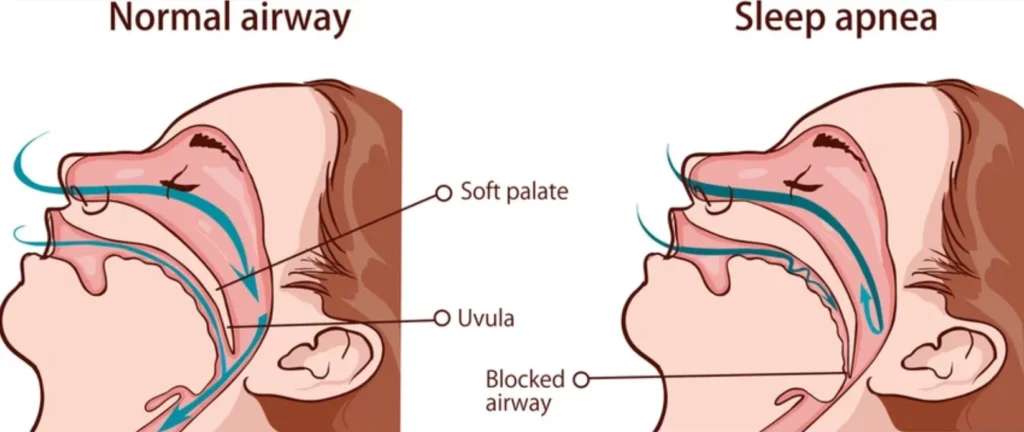
Snoring happens when airflow becomes turbulent as you breathe during sleep. Soft tissues in the throat can vibrate. Jaw position, tongue position, nasal blockage, and sleep posture can all contribute.
Snoring can also overlap with obstructive sleep apnea, a condition where breathing repeatedly reduces or stops during sleep. It’s not something you can diagnose by guesswork. If you want a reputable overview, look up Sleep apnea – Symptoms and causes and compare it with what you (or your partner) are noticing at night.
Signs that snoring is more than “just snoring”
- Witnessed pauses in breathing
- Choking, gasping, or waking up panicked
- Morning headaches or dry mouth that’s frequent
- Daytime sleepiness that affects driving or work
- High blood pressure or cardiometabolic risk factors (discuss with a clinician)
What to try at home first (budget-minded, low-regret steps)
If you’re aiming for the highest return with the least hassle, start here. These steps are cheap, fast to test, and easy to combine.
1) Run a two-night “position test”
Many people snore more on their back. Try side sleeping for two nights and compare. A body pillow or a simple positional strategy can be enough for some households.
2) Check the nose before you blame the throat
Congestion can push you into mouth breathing and worsen snoring. If your nose is often blocked at night, address the cause (dry air, allergies, illness) with clinician-approved options. Don’t force mouth closure if nasal airflow isn’t dependable.
3) Time alcohol and heavy meals like a “sleep experiment”
Alcohol close to bedtime can relax airway muscles and make snoring louder. Heavy late meals can also disrupt sleep. Test a small change for a few nights rather than guessing.
4) If the pattern fits, consider an anti snoring mouthpiece
An anti snoring mouthpiece is designed to support airflow by changing jaw and/or tongue position during sleep. It’s a common at-home option because it doesn’t require a machine, a charger, or a subscription.
To keep your trial efficient, focus on three questions:
- Comfort: Can you tolerate it for several hours?
- Noise reduction: Does your partner report fewer or quieter episodes?
- Next-day feel: Do you wake up less foggy or less dry-mouthed?
If you want a single product-style starting point, look at this anti snoring mouthpiece. A combo approach is often considered when mouth opening is part of the nightly pattern.
When DIY should stop and medical help should start
Home fixes are for uncomplicated snoring. If symptoms suggest sleep apnea, don’t “out-hack” it. Sleep apnea is commonly discussed in major medical resources for a reason: it can affect health and safety when untreated.
Make an appointment sooner (not later) if you notice:
- Breathing pauses, choking, or gasping during sleep
- Severe daytime sleepiness, especially if you drive
- Snoring plus uncontrolled blood pressure
- Persistent symptoms despite position changes and a mouthpiece trial
Also consider the “relationship metric.” If snoring is creating nightly conflict, separate-room sleep, or resentment, that’s a real quality-of-life cost. A clinician can help you sort out whether it’s simple snoring, sleep apnea, or another sleep disorder.
FAQ: Quick answers before you buy another sleep gadget
Can an anti snoring mouthpiece replace CPAP?
Sometimes oral appliances are used in sleep apnea care, but it depends on severity and individual factors. Only a clinician can confirm what’s appropriate for you.
What if I only snore when I’m exhausted or traveling?
Travel fatigue, alcohol timing, and back sleeping in unfamiliar beds can all make snoring worse. Treat it like a temporary flare: fix the basics first, then consider a mouthpiece for repeat trips.
Will a mouthpiece fix nasal snoring?
If the main issue is nasal blockage, a mouthpiece may not solve it by itself. Clear nasal airflow matters for comfortable, quiet sleep.
How do I avoid wasting money on snoring products?
Use a simple plan: test position and alcohol timing first, confirm nasal breathing, then trial one mouthpiece consistently for 1–2 weeks while tracking outcomes.
CTA: Start with a clear, simple next step
If you’re ready to understand the basics before you commit to anything, begin here:
How do anti-snoring mouthpieces work?
Medical disclaimer: This article is for general education and does not provide medical advice, diagnosis, or treatment. If you suspect sleep apnea or have severe daytime sleepiness, choking/gasping at night, or other concerning symptoms, consult a qualified clinician for evaluation.