
Snoring isn’t just “noise.” It’s a sleep-quality tax you pay every night.
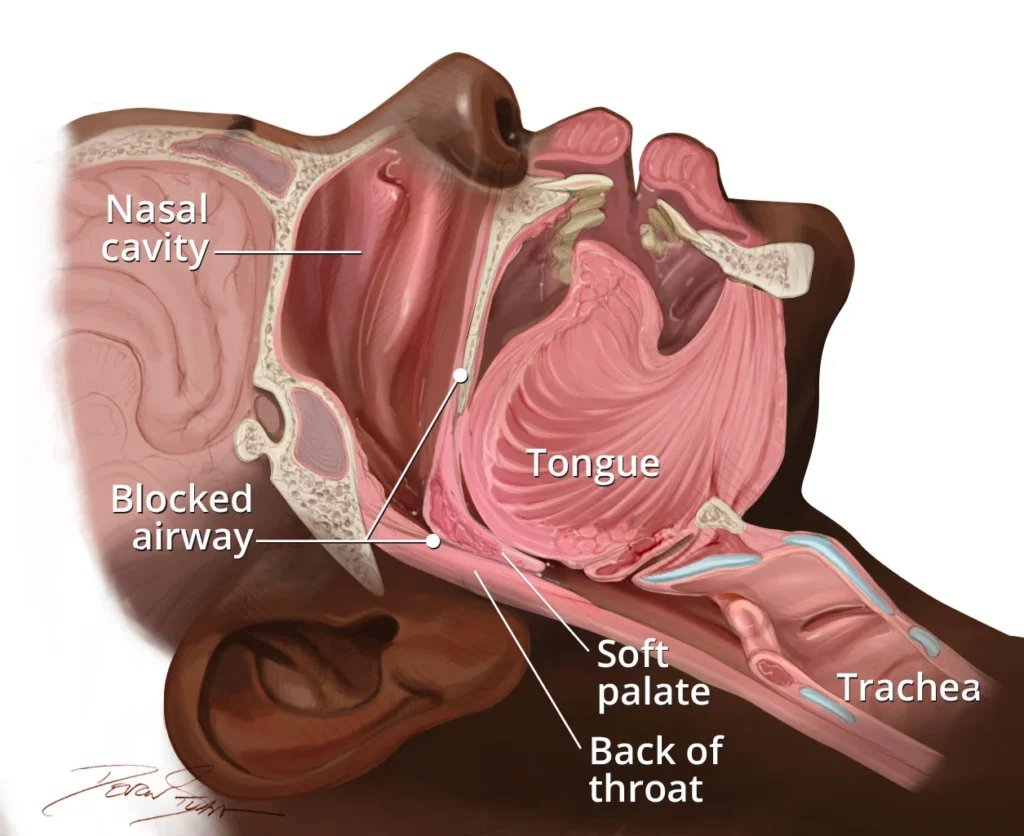
And lately, it’s also a social topic—sleep trackers, travel fatigue, and relationship jokes that stop being funny at 3 a.m.
Thesis: Use a simple decision tree to choose an anti snoring mouthpiece safely, while screening for sleep apnea and protecting your long-term sleep health.
A quick reality check: snoring vs. sleep apnea
Snoring can be harmless. It can also be a sign your airway is struggling.
Recent health coverage keeps circling the same point: if sleep apnea is on the table, don’t treat it like a gadget problem. Get screened first, then pick tools that match the cause.
If you want a plain-language starting point, review Have Sleep Apnea Or Suspect You Do? Certain Pillows Might Help before you buy anything.
The decision guide (If…then… branches)
If you have red flags for sleep apnea, then pause the “quick fix” shopping
If your partner notices breathing pauses, you wake up choking/gasping, or you’re very sleepy during the day, then treat this as a screening issue first.
That doesn’t mean you can’t try comfort upgrades. It means you document symptoms and talk to a clinician. It also means you avoid self-diagnosing with a wearable alone.
Why the caution? Sleep tech headlines are full of connected devices and new oral-appliance trials. That’s exciting. It also signals that clinical oversight matters when apnea is possible.
If snoring is positional, then start with low-risk positioning changes
If snoring mainly happens on your back, then test position first. Many people experiment with specialty pillows or simple side-sleeping strategies.
Keep it measurable. Track two things for a week: (1) how often snoring is reported and (2) how you feel at noon. That beats guessing after one night.
Travel fatigue can make this worse. Hotel pillows, alcohol with dinner, and congestion can stack the deck against you.
If your snoring seems jaw/tongue related, then consider an anti snoring mouthpiece
If you snore more when your jaw relaxes (common with deep sleep, burnout sleep crashes, or after a long flight), then an anti snoring mouthpiece may be a reasonable next step.
These products generally aim to keep the airway more open by changing jaw or tongue position during sleep. Fit and comfort matter, because poor fit leads to poor adherence.
To compare options, start here: anti snoring mouthpiece.
If you have jaw pain, dental issues, or a history of TMJ problems, then be cautious
If you already deal with jaw clicking, persistent jaw pain, loose teeth, or major dental work, then don’t “power through” discomfort.
Stop if you develop sharp pain, worsening headaches, or bite changes that last. Mouthpieces can be helpful, but they’re not a grit-your-teeth challenge.
If you want the safest trial, then set rules before night one
If you’re trying a mouthpiece at home, then set a short trial window and a simple checklist.
- Comfort: mild soreness can happen; persistent pain is a stop sign.
- Sleep quality: note awakenings and morning grogginess.
- Partner feedback: yes, it counts. This is a two-person problem in many bedrooms.
- Hygiene: clean it daily and store it dry to reduce contamination risk.
This is the “reduce risk and document choices” approach. It keeps you honest and helps a clinician or dentist later if you need escalation.
FAQ: fast answers people are asking right now
Is snoring getting more attention because of sleep trends?
Yes. Sleep wearables, smart alarm clocks, and even “sleep tourism” have made sleep metrics mainstream. More data also means more people notice patterns they used to ignore.
Can weight changes affect snoring and apnea risk?
They can. Many medical sources discuss weight as one factor that may influence airway anatomy and breathing during sleep. If you’re working on weight for health reasons, consider sleep screening as part of the bigger plan.
Do connected oral appliances mean I should buy the newest thing?
Not automatically. New devices can be promising, but “new” isn’t the same as “best for your mouth.” Fit, comfort, and appropriate screening still win.
CTA: pick a next step you can actually follow
If snoring is hurting your sleep or your relationship, don’t wait for the perfect gadget trend. Choose one branch from the guide and run it for a week.
How do anti-snoring mouthpieces work?
Medical disclaimer: This article is for general education and is not medical advice. Snoring can be a symptom of sleep apnea or other conditions. If you have breathing pauses, choking/gasping, chest pain, severe daytime sleepiness, or concerns about safety, seek evaluation from a qualified clinician.