
On a red-eye flight home, “M.” promised themself a full reset: new year, new habits, better sleep. Two nights later, the same thing happened—snoring jokes from a partner, a groggy morning meeting, and a phone full of ads for pillows, trackers, and “miracle” fixes. That mix of relationship humor and workplace burnout is exactly why snoring is getting so much attention right now.
Let’s sort the noise from the useful. Below is a practical, safety-first way to think about snoring, sleep quality, and where an anti snoring mouthpiece can fit into your sleep health plan.
What people are trying lately (and why it feels everywhere)
Sleep has become a lifestyle category. You’ll see new pillows marketed for breathing, app-driven sleep scores, wearables, and “fresh start” routines that bundle mental health and bedtime together. Travel fatigue adds fuel too—jet lag and unfamiliar beds make snoring louder for some people, and partners notice.
Common themes in the current conversation:
- Sleep gadgets are booming. People want quick feedback, even if it’s imperfect.
- Behavior changes are trending. Simple resets like consistent wake times and a calmer wind-down get repeated for a reason.
- Snoring is being reframed as health-related. Not just “annoying,” but a possible signal to check in on breathing and recovery.
If you’re curious about pillow-based approaches being discussed, see this high-level overview via Have Sleep Apnea Or Suspect You Do? Certain Pillows Might Help.
What matters for sleep health (the medically-relevant part)
Snoring usually happens when airflow is partially blocked and nearby tissues vibrate. Alcohol, congestion, back-sleeping, and weight changes can all make it worse. So can stress—because stress often disrupts routines and increases late-night screen time, which can fragment sleep.
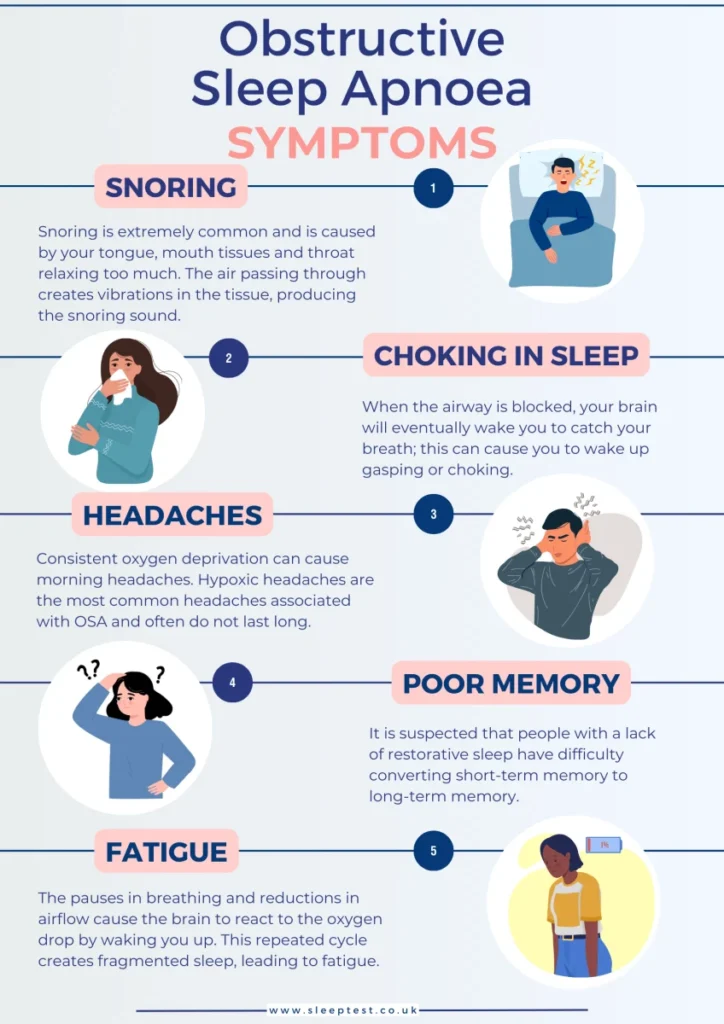
Snoring can also overlap with sleep apnea, a condition where breathing repeatedly reduces or stops during sleep. You can’t confirm that at home just by listening for noise. That’s why screening matters.
Quick screen: signs you should not ignore
- Witnessed pauses in breathing, choking, or gasping
- Excessive daytime sleepiness, dozing while sitting still, or drowsy driving
- Morning headaches or dry mouth that’s frequent
- High blood pressure or heart risks (especially with loud, persistent snoring)
- Snoring that’s new and severe, or worsening fast
If any of these fit, consider talking with a clinician about evaluation. A mouthpiece can be part of a plan, but it shouldn’t delay proper assessment when red flags are present.
What you can try at home first (low-risk, high-upside)
Before you buy anything, run a short, controlled experiment for 7–10 nights. Keep one change at a time so you can tell what helped.
1) Position and routine tweaks
- Side-sleeping: Many people snore more on their back. Try a supportive body pillow or a backpack-style “don’t roll over” hack.
- Alcohol timing: If you drink, avoid it close to bedtime. It can relax airway tissues.
- Congestion plan: Address nasal stuffiness with gentle, non-medication steps (like saline rinse) if appropriate for you.
- Consistent wake time: It’s boring, but it stabilizes sleep drive and circadian rhythm.
2) Calm the pre-bed brain (burnout-friendly)
Overthinking is a modern sleep thief. Try a 10-minute “brain dump” list, then put it away. Keep pre-bed activity predictable: dim lights, lower stimulation, and avoid doom-scrolling in bed.
3) Where an anti-snoring mouthpiece fits
If your snoring seems positional and you wake with a dry mouth (often from mouth-breathing), a mouthpiece may be worth a structured trial. Many anti-snoring mouthpieces work by gently guiding the lower jaw forward to reduce airway narrowing.
If you’re exploring options, start here: anti snoring mouthpiece. Prioritize products with clear sizing instructions, cleaning guidance, and transparent materials information.
Safety checklist for trying a mouthpiece
- Dental fit matters: Avoid use if you have loose teeth, significant dental pain, or untreated gum issues.
- Jaw comfort is non-negotiable: Mild soreness can happen early. Sharp pain, clicking that worsens, or limited opening means stop and reassess.
- Hygiene reduces risk: Clean it as directed, let it dry, and store it in a ventilated case. Replace if cracked or warped.
- Track outcomes: Note snoring volume (partner report), morning energy, and any bite changes.
When to get help (and what to ask for)
Get medical guidance if snoring is paired with daytime sleepiness, breathing pauses, or cardiovascular risk factors. Also seek help if you try home steps and still feel unrefreshed after a few weeks.
Useful questions to bring to an appointment:
- “Do my symptoms suggest I should be evaluated for sleep apnea?”
- “Would a mandibular advancement device be appropriate for me?”
- “Are there nasal or positional factors I should address first?”
If weight change is part of your story, ask about a safe, sustainable plan. For some people, weight management can improve sleep apnea severity, but it’s not the only lever and not a quick fix.
FAQ: fast answers for common decisions
Medical disclaimer: This article is for general education and does not provide medical advice or a diagnosis. If you suspect sleep apnea or have concerning symptoms, talk with a qualified clinician.
Next step
If you want a practical starting point that’s easy to test at home, an anti-snoring mouthpiece may be a reasonable option—especially when paired with side-sleeping and a consistent wind-down.