
Snoring is having a cultural moment. It’s in relationship jokes, travel fatigue rants, and “why am I tired?” workplace burnout chats.
At the same time, sleep tech and new oral appliances keep showing up in the news. That mix can make it hard to know what’s real help and what’s just hype.
Thesis: A well-chosen anti snoring mouthpiece can be a smart trial for simple snoring, but screening for sleep apnea and documenting your choices keeps it safer.
Quick overview: why snoring hits sleep quality so hard
Snoring isn’t only a noise problem. It can fragment sleep, raise stress, and turn nights into negotiations with a partner.
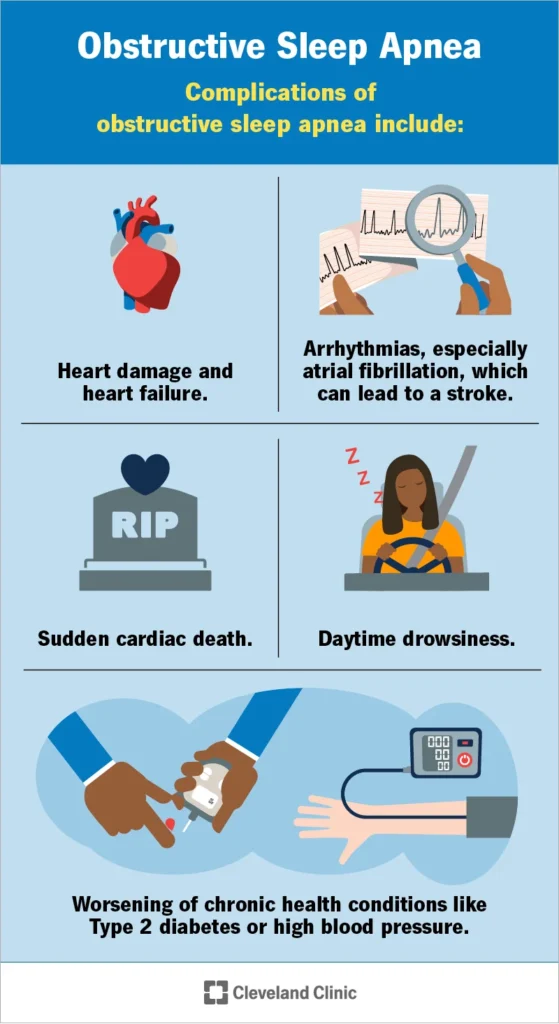
Snoring can also sit on a spectrum. For some people it’s “just snoring.” For others, it overlaps with sleep-disordered breathing, including obstructive sleep apnea.
If you want a medical baseline, review Sleep apnea – Symptoms and causes. Keep it as a checklist, not a self-diagnosis tool.
Timing: when to try a mouthpiece vs. when to get screened first
Try a mouthpiece first if your snoring is frequent but you feel reasonably rested, and there are no scary signs. It also helps if your snoring is worse on your back or after alcohol.
Get screened first (or in parallel) if any of these are true:
- Someone notices breathing pauses, choking, or gasping.
- You have strong daytime sleepiness, dozing while driving, or brain fog that doesn’t match your schedule.
- You wake with headaches, a racing heart, or high blood pressure concerns.
- You’re using multiple “sleep hacks” and still feel wrecked.
News coverage has highlighted oral appliances moving into more connected-care ecosystems. That’s promising, but it doesn’t remove the need for proper screening when symptoms point to apnea.
Supplies: what you need for a safer, cleaner trial
Keep this simple. The goal is to reduce risk and make results easier to interpret.
- A quality mouthpiece from a reputable seller.
- A way to clean it daily (cool water, mild soap, and a dedicated toothbrush are usually enough).
- A small case for travel. Hotel-night “mystery sink” storage is a fast route to gross.
- A quick sleep log (notes app works). Track snoring reports, wake-ups, and how you feel at 2 p.m.
If mouth breathing is part of your issue, some people pair a mouthpiece with a chinstrap. If you’re considering that route, look for a combo designed to work together, like this anti snoring mouthpiece.
Step-by-step (ICI): Identify → Choose → Implement
1) Identify your likely snoring pattern
Before you buy anything, write down what’s true on most nights:
- Back-sleeping vs. side-sleeping
- Nasal congestion, allergies, or dry air
- Alcohol close to bedtime
- Travel fatigue and irregular sleep timing
This matters because a mouthpiece helps most when airway narrowing is influenced by jaw/tongue position, not when the main issue is a blocked nose.
2) Choose a mouthpiece approach with a screening mindset
Anti-snoring mouthpieces typically aim to keep the airway more open by adjusting jaw or tongue position. Comfort and fit drive adherence, which drives results.
Safety note: if you have significant dental work, jaw pain, or a history of TMJ issues, consider dental input before extended use.
3) Implement a 14-night trial with documentation
Nights 1–3: Focus on comfort. Wear it for shorter periods if needed, then build up. Don’t force a “tough it out” approach that inflames your jaw.
Nights 4–10: Use it consistently. Keep bedtime routines boring and repeatable. This is where sleep gadgets can help by reminding you to keep a steady schedule, not by “scoring” you into anxiety.
Nights 11–14: Evaluate outcomes. Ask your partner for a simple rating (0–10 snoring loudness). Note daytime sleepiness and morning mouth/jaw feel.
If you share a room, set expectations with some humor. A mouthpiece trial beats another week of “you were chainsawing again” arguments.
Common mistakes that waste money (or raise risk)
Skipping red-flag screening
If you suspect apnea, don’t treat a mouthpiece like a DIY diagnosis. Use it as a comfort tool only while you arrange proper evaluation.
Stacking too many trends at once
Mouth taping is getting attention in the media, but it’s not a universal solution. If you try a mouthpiece, don’t add three other hacks the same week. You won’t know what helped, and some combinations can be unsafe for certain people.
Ignoring cleaning and travel hygiene
Throwing an appliance into a gym bag or pocket is an infection risk and a fast way to warp it. Clean it daily and store it in a ventilated case.
Chasing perfection instead of “better”
A meaningful win can be fewer wake-ups, less partner disturbance, and improved daytime energy. You don’t need a silent night to call it progress.
FAQ: fast answers people are asking right now
Can an anti snoring mouthpiece help everyone who snores?
No. It’s a targeted tool, not a universal fix.
How do I know if snoring might be sleep apnea?
Look for pauses, gasping, and significant daytime sleepiness. If present, get screened.
Is mouth taping a good idea for snoring?
Not for everyone. Avoid it if you have nasal blockage or possible apnea, and ask a clinician if unsure.
How fast should a mouthpiece reduce snoring?
Often within days, but give it up to two consistent weeks before judging.
What side effects should I watch for?
Jaw or tooth discomfort and bite changes are the big ones. Stop if symptoms are significant.
CTA: make your next step simple
If snoring is hurting your sleep quality, pick one change and run a clean trial. Track results, watch for red flags, and keep the plan low-drama.
How do anti-snoring mouthpieces work?
Medical disclaimer: This article is for general education only and isn’t medical advice. Snoring can be a sign of a medical condition, including sleep apnea. If you have choking/gasping, breathing pauses, severe daytime sleepiness, chest pain, or concerns about your health, seek evaluation from a qualified clinician.