
Myth: Snoring is just a punchline about your partner “sawing logs.”
Reality: Snoring can be a sleep-quality problem, a relationship problem, and sometimes a health signal you shouldn’t shrug off.
Right now, sleep is having a moment. People are buying trackers, trying new wind-down routines, and swapping “fresh start” sleep tips like they’re productivity hacks. Add travel fatigue, workplace burnout, and a packed calendar, and it’s no surprise snoring solutions are trending too.
This guide stays practical and budget-aware. You’ll learn where an anti snoring mouthpiece fits, how to try one without wasting a cycle, and when snoring needs more than a gadget.
Overview: Why snoring shows up (and why sleep quality pays the price)
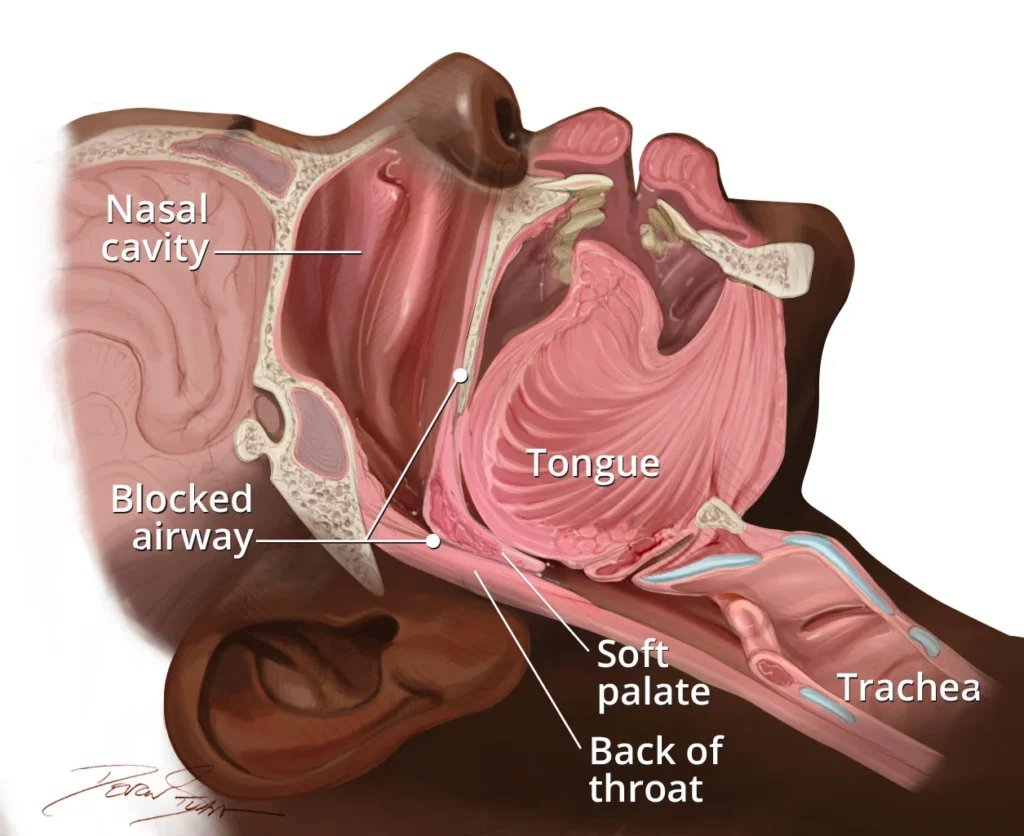
Snoring usually happens when airflow is partially blocked and soft tissues vibrate. It can spike when you’re congested, sleeping on your back, or drinking alcohol close to bedtime. Weight changes and aging can play a role as well.
There’s also a bigger conversation happening in health news: not all breathing-related sleep issues are the same. Some articles compare different types of sleep apnea, including central and obstructive forms. If you want a general explainer, see Central Sleep Apnea vs. Obstructive Sleep Apnea: Which Is More Serious?.
Important point: a mouthpiece can help some kinds of snoring, but it’s not a universal fix for every sleep-breathing disorder. The goal is better sleep, not just a quieter room.
Timing: When to try a mouthpiece vs. when to hit pause
Good time to try (low-drama, high-upside)
- Your snoring is worse on your back.
- You wake up with a dry mouth and feel like you slept “light.”
- Travel throws off your routine and your partner notices new snoring.
- You want a non-powered option (no chargers, no apps, no subscriptions).
Don’t DIY this part: red flags to get checked
- Choking, gasping, or witnessed breathing pauses.
- Excessive daytime sleepiness, morning headaches, or high blood pressure concerns.
- Snoring plus chest symptoms or significant heart risk factors.
Snoring can be “just snoring,” but it can also overlap with sleep apnea. If the red flags fit, prioritize a clinician-led evaluation.
Supplies: What you need for a no-waste trial
- A simple baseline: 3 nights of notes (snoring reports, wake-ups, morning energy).
- Your usual sleep setup: pillow, nasal strips if you already use them, and a consistent bedtime.
- A mouthpiece option: pick a style you can realistically wear.
- A way to track change: partner feedback, a snore-recording app, or both.
If you’re comparing options, start here: anti snoring mouthpiece. Keep it simple. You’re testing comfort and results, not collecting gadgets.
Step-by-step (ICI): Identify → Choose → Iterate
1) Identify your likely snoring pattern
Ask two quick questions: “Is it position-related?” and “Is my nose blocked at night?” Back-sleeping and congestion are common drivers. Stress and burnout can also make sleep lighter, which makes every disruption feel louder.
2) Choose a mouthpiece style that matches the pattern
Many anti-snoring mouthpieces work by gently moving the lower jaw forward to reduce airway collapse. Others focus on tongue position. If you wake with jaw tightness or have TMJ history, go cautiously and consider dental guidance.
3) Iterate for 7–14 nights (don’t judge it on night one)
Night one is often weird. Saliva changes, your bite feels “off,” and you may wake up noticing it. Give it a fair trial, but keep the goal clear: fewer wake-ups, better mornings, and less snoring feedback.
- Nights 1–3: focus on comfort and whether you can keep it in.
- Nights 4–7: look for quieter sleep and fewer interruptions.
- Week 2: decide if it’s a keeper or if fit/approach needs adjustment.
Mistakes that waste money (and sleep)
Buying three fixes at once
A mouthpiece plus a new pillow plus a new tracker sounds productive. It also makes results impossible to interpret. Change one variable, then measure.
Ignoring nasal breathing
If your nose is blocked, your body defaults to mouth breathing. That can worsen dryness and noise. Address basic nasal comfort (humidity, allergy management with a clinician if needed) alongside any mouthpiece test.
Trying to “power through” jaw pain
Mild soreness can happen early. Sharp pain, tooth pain, or lasting bite changes are not a badge of honor. Stop and get advice.
Chasing silence instead of recovery
Relationship humor aside, the real win is restorative sleep. Track morning energy and daytime focus, not just decibel levels.
FAQ: Quick answers people want right now
Can an anti snoring mouthpiece improve sleep quality?
It can if it reduces airway vibration and micro-wake-ups. Better sleep quality usually shows up as fewer awakenings and better daytime alertness.
What if I only snore when I’m exhausted or traveling?
That’s common. Travel fatigue, alcohol timing, and sleeping on unfamiliar pillows can all trigger snoring. A mouthpiece can be a travel-friendly experiment if you tolerate it well.
Is snoring connected to mental health and burnout?
Sleep and mental health affect each other. Stress can worsen insomnia and make sleep feel lighter. Snoring can add repeated disruptions. Treat it like a systems problem, not a single “hack.”
CTA: Make the next step simple
If you want a practical option that doesn’t require charging, syncing, or constant tweaking, a mouthpiece can be a reasonable first experiment. Start with one change, track it for two weeks, and keep what works.
How do anti-snoring mouthpieces work?
Medical disclaimer: This article is for general education only and isn’t medical advice. Snoring can sometimes signal sleep apnea or other health issues. If you have choking/gasping, witnessed breathing pauses, significant daytime sleepiness, or jaw/tooth pain with a device, talk with a qualified clinician.