
Before you try another “sleep hack,” run this quick checklist.
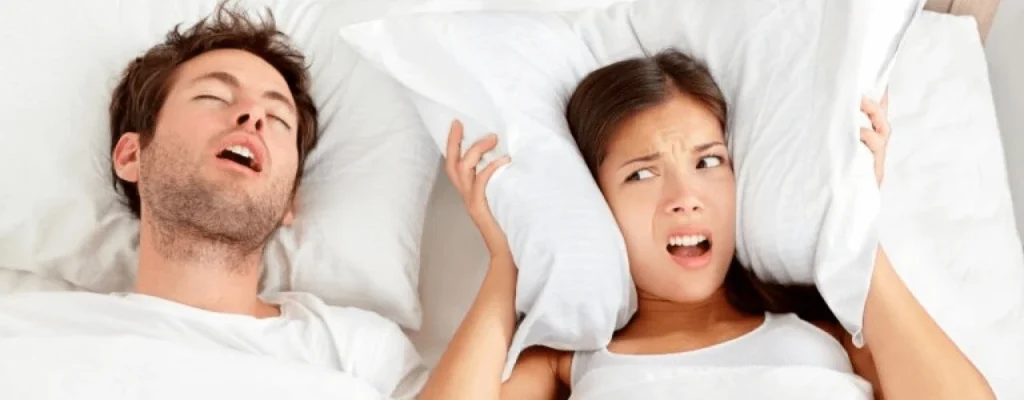
- Is this just snoring, or could it be sleep apnea? Watch for choking, gasping, or pauses in breathing.
- Is your nose clear? Congestion changes airflow and can make any solution feel like it “fails.”
- Did your routine change? Travel fatigue, late nights, alcohol, and stress can spike snoring fast.
- Is your partner losing sleep? Relationship jokes are common, but broken sleep adds up for both of you.
- Do you want a tool you can actually stick with? Comfort and consistency matter more than hype.
Big picture: why snoring is suddenly everyone’s topic
Snoring used to be treated like a punchline. Lately it’s framed as a sleep-quality problem, a health signal, and—honestly—a household peace issue. That shift matches the broader wellness trend: people are tracking sleep, buying gadgets, and testing quick fixes.
One idea getting attention is mouth taping. It’s talked about as a simple way to encourage nasal breathing. But snoring isn’t one-size-fits-all, and “simple” doesn’t always mean “smart.” If you’re curious about what’s being discussed, see this related coverage: How Weight Loss Can Help Your Sleep Apnea.
Meanwhile, mainstream guidance keeps circling back to basics: weight changes can influence breathing at night, and many people underestimate what obstructive sleep apnea looks like. If you snore and feel wrecked during the day, treat it as data—not a personality trait.
The emotional side: snoring isn’t just noise
Snoring can turn bedtime into negotiation. One person wants silence. The other wants to stop being nudged awake. Add workplace burnout and a packed calendar, and patience gets thin.
It also messes with identity. People who “never snored” can start after weight gain, a new medication, more alcohol, or a rough travel month. That can feel alarming. The good news is that many snoring drivers are modifiable, and you have more than one path to improvement.
Practical steps: a no-drama plan for better sleep and less snoring
Start with the levers that change airflow and vibration. Then add tools if you need them.
Step 1: Reset the easy stuff (48-hour test)
Give yourself two nights of “clean” conditions. This helps you see what’s situational versus persistent.
- Skip alcohol close to bedtime. It can relax airway muscles and worsen snoring.
- Side-sleep if you can. Back-sleeping often makes snoring louder.
- Open the nose. A warm shower, saline rinse, or addressing allergies can change the whole night.
- Protect the schedule. Sleep deprivation can worsen snoring intensity for some people.
Step 2: Where an anti snoring mouthpiece fits
An anti snoring mouthpiece is popular because it’s portable and doesn’t require power. Many designs aim to improve airflow by gently repositioning the jaw or stabilizing the mouth to reduce tissue vibration.
Think of it like aligning a kinked garden hose. You’re not “forcing” sleep. You’re trying to keep the airway a bit more open so air moves with less turbulence.
If you’re comparing products, start here: anti snoring mouthpiece.
Step 3: Technique matters (fit, comfort, and follow-through)
Most mouthpiece frustration comes from rushing. A few technique basics can make the difference between “no way” and “this is manageable.”
- Fit and bite feel: It should feel secure, not painful. Pressure points are a red flag.
- Jaw position: More forward isn’t always better. Aim for “just enough” to reduce noise while staying comfortable.
- Dry mouth management: Hydrate earlier in the day, and keep your bedroom air from getting too dry.
- Ramp-up plan: Wear it briefly before sleep for a few nights to get used to the sensation.
Step 4: Positioning upgrades that pair well with mouthpieces
People often buy a mouthpiece and forget the simplest amplifier: position. If you snore mostly on your back, combine a mouthpiece with side-sleep cues (like a body pillow). You’re stacking small advantages.
Also check head and neck alignment. Too many pillows can push the chin toward the chest. That can narrow airflow for some sleepers.
Safety and testing: how to be smart (not extreme)
Sleep trends move fast. Your airway is not a place for dares.
Don’t miss sleep apnea signals
Snoring can be harmless, but it can also show up with obstructive sleep apnea. Consider a medical check if you notice loud nightly snoring plus daytime sleepiness, morning headaches, witnessed breathing pauses, or waking up gasping.
Be cautious with “seal-your-mouth” experiments
Mouth taping is widely discussed as a nasal-breathing nudge. It can also backfire if your nose isn’t reliably clear. If you have congestion, panic sensations, breathing problems, or any concern about sleep apnea, skip it and talk with a clinician.
How to run a simple two-week trial
- Pick one change at a time. Otherwise you won’t know what helped.
- Track outcomes that matter. Partner reports, morning energy, and nighttime wake-ups beat “vibes.”
- Stop if you have pain. Jaw pain, tooth pain, or headaches mean you need to reassess fit or approach.
FAQ: quick answers people want right now
Is snoring always a health problem?
No. But persistent loud snoring, especially with daytime symptoms, deserves attention because it can overlap with sleep-disordered breathing.
Will weight changes affect snoring?
They can. Some people notice snoring improves with weight loss, while others still snore due to anatomy, congestion, or sleep position.
Can an oral appliance replace medical care?
It can be a tool for snoring, but it shouldn’t replace evaluation when sleep apnea is possible.
CTA: choose the tool you’ll actually use
If you’re ready to test a practical option that travels well and doesn’t rely on batteries, a mouthpiece may be worth a structured trial.
How do anti-snoring mouthpieces work?
Medical disclaimer: This article is for general education only and isn’t medical advice. Snoring can have different causes, and sleep apnea requires professional evaluation. If you have severe daytime sleepiness, breathing pauses, chest pain, or worsening symptoms, seek care from a qualified clinician.