
Myth: Snoring is just “noise” and the worst outcome is a grumpy partner.
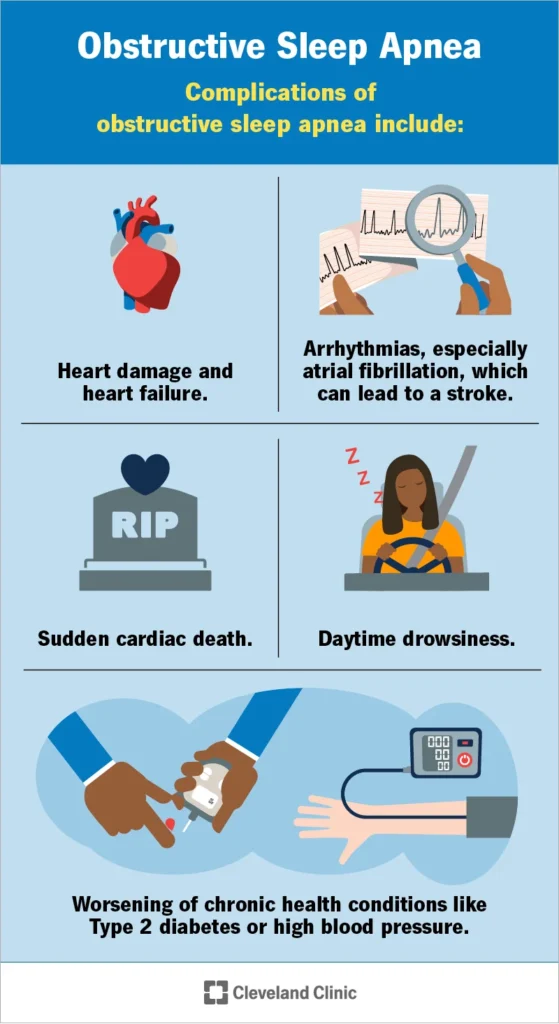
Reality: Snoring can be a sleep-quality problem for everyone in the room. In some cases, it can also be a sign you should screen for sleep apnea, especially if you feel wiped out during the day.
Right now, sleep health is having a moment. Between wearable sleep scores, new bedside gadgets, travel fatigue, and workplace burnout, more people are noticing how much a bad night spills into everything else. Add relationship humor (“I love you, but please stop the chainsaw impression”), and snoring becomes a real household topic.
Overview: where an anti snoring mouthpiece fits
An anti snoring mouthpiece is usually designed to support your airway by adjusting jaw or tongue position during sleep. That can reduce vibration and cut down the sound for some people.
Still, not all snoring is the same. Recent health coverage keeps circling the same theme: sleep apnea comes in different forms, and it’s easy to assume snoring is harmless when it isn’t. If you suspect apnea, your best “sleep gadget” is a proper screening, not another impulse buy.
If you want a quick refresher on red flags, see this high-authority resource on How Weight Loss Can Help Your Sleep Apnea.
Timing: when to try it (and when to pause)
Good times to trial a mouthpiece
Consider a trial if your snoring seems position-related (often worse on your back), your partner reports steady snoring without obvious breathing pauses, and you want a low-friction first step.
It can also be useful during “temporary snore seasons,” like congested weeks, post-travel sleep disruption, or periods of high stress when sleep gets lighter and more fragmented.
Pause and screen first if any of these show up
Don’t ignore loud snoring paired with choking/gasping, witnessed breathing pauses, morning headaches, high daytime sleepiness, or high blood pressure concerns. Those patterns deserve medical attention because snoring isn’t always “just snoring.”
Also pause if you have significant jaw pain, ongoing TMJ issues, loose dental work, or severe tooth sensitivity. Comfort and safety matter more than forcing a quick fix.
Supplies: what you actually need (no gadget pile)
- A mouthpiece you can tolerate and keep clean consistently.
- A simple tracking method: notes app, sleep diary, or partner feedback (yes, this counts as data).
- Basic hygiene items: a case, mild cleaner per instructions, and a routine.
- A backup plan: nasal support, side-sleeping setup, or a screening appointment if red flags persist.
If you’re comparing options, an anti snoring mouthpiece is one approach people look at when mouth-breathing or jaw drop seems to worsen snoring.
Step-by-step (ICI): Identify → Choose → Implement
1) Identify your snoring pattern (2 nights, minimum)
Before changing anything, capture a baseline. Note bedtime, alcohol timing, congestion, sleep position, and how you feel the next day.
If you can, ask your partner what they hear: steady snoring, sudden silence then snort, or restless tossing. Keep it general and consistent.
2) Choose a plan you can stick with
Pick one primary change for the first week. For many people, that’s a mouthpiece trial plus one supporting habit, like side sleeping or earlier cutoffs for alcohol.
Keep expectations realistic. A mouthpiece is not a personality transplant for your sleep. It’s a tool that may reduce snoring volume and improve sleep continuity.
3) Implement with comfort and documentation
Night 1–3: Focus on tolerability. Use the mouthpiece as directed and stop if you get sharp jaw pain, tooth pain, or persistent headaches.
Night 4–7: Look for trends. Is snoring less frequent? Is your partner sleeping better? Do you wake up fewer times?
Week 2: Decide with evidence. If snoring improves but you still feel exhausted, don’t assume the “solution” is buying more gear. That’s a cue to screen for sleep apnea or other sleep issues.
Mistakes that waste money (and sleep)
Chasing sleep scores instead of symptoms
Wearables can be motivating, but the most important metrics are still how you feel and whether you have concerning signs like breathing pauses.
Ignoring the weight-and-airway connection
Recent medical discussions often note that weight changes can influence airway mechanics for some people. You don’t need a dramatic transformation to benefit, but it’s worth viewing snoring as part of overall health, not a standalone annoyance.
Forcing a bad fit
If your jaw hurts or your bite feels “off” in the morning, that’s not a badge of honor. Discomfort can reduce adherence and increase risk of dental or jaw problems.
Skipping basic cleaning and storage
A mouthpiece lives in a warm, moist environment. Clean it as directed, store it properly, and replace it when it shows wear. This reduces odor, irritation, and infection risk.
FAQ: quick answers people ask at 2 a.m.
Is snoring always a sign of sleep apnea?
No. But snoring plus breathing pauses, gasping, or heavy daytime sleepiness should raise your suspicion and prompt screening.
What about central vs obstructive sleep apnea?
They’re different patterns with different causes. That’s one reason self-diagnosis gets tricky. If apnea is on your radar, treat it as a medical screening issue, not a shopping problem.
Can travel fatigue make snoring worse?
It can. Jet lag, alcohol on flights, nasal dryness, and sleeping on your back can all stack the deck toward louder snoring for a few nights.
CTA: pick the next step (and keep it simple)
If your goal is quieter nights and better sleep quality, start with a short, documented trial and a clear safety line: improvement is great, but red flags mean screening.
How do anti-snoring mouthpieces work?
Medical disclaimer: This article is for general education and does not provide medical advice or diagnose conditions. If you suspect sleep apnea or have severe symptoms (breathing pauses, chest pain, significant daytime sleepiness, or worsening health concerns), seek evaluation from a qualified clinician.