
Myth: “Snoring is just annoying noise.”
Reality: Snoring can be a signal that your sleep quality is taking a hit—and your partner’s sleep may be paying the price too.
Right now, sleep is having a moment. People are buying wearables, testing new “sleep hacks,” and joking (half-seriously) about separate bedrooms after a week of travel fatigue. At the same time, more headlines keep circling back to a bigger point: if snoring is loud, frequent, or paired with daytime exhaustion, it’s worth taking seriously.
This guide explains where an anti snoring mouthpiece fits in the bigger sleep-health conversation, how to try one in a low-drama way, and how to screen for red flags like sleep apnea.
Big picture: why snoring and sleep quality are linked
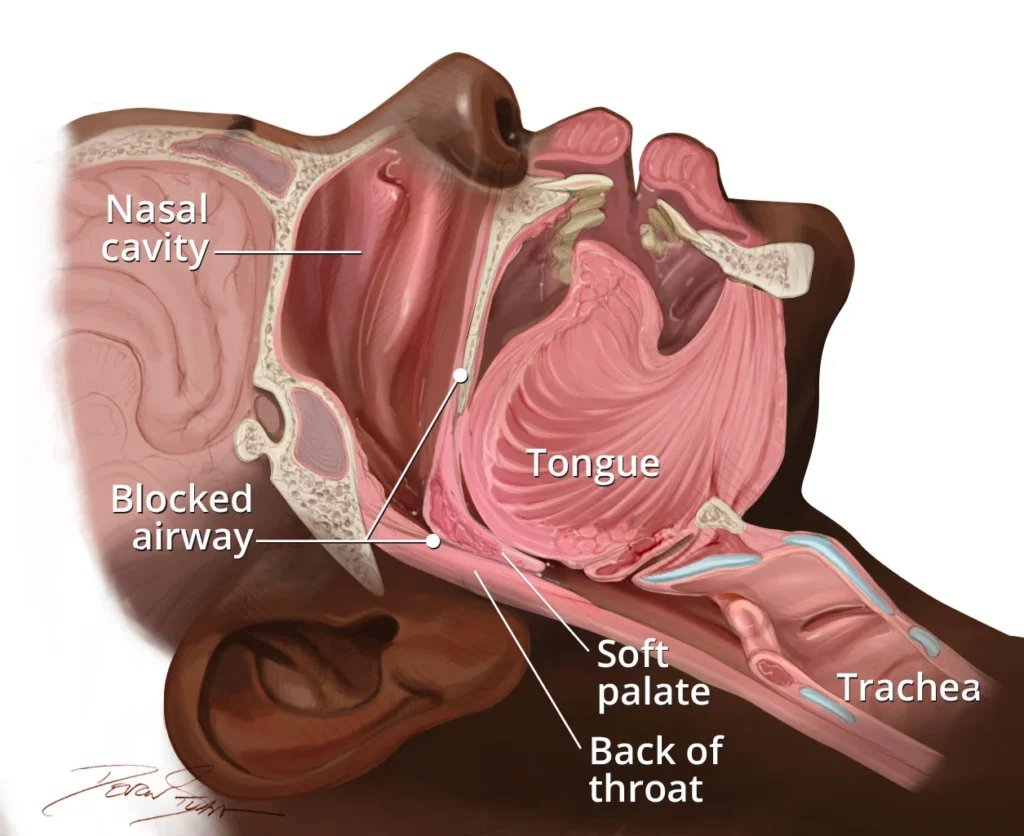
Snoring usually happens when airflow gets turbulent and nearby tissues vibrate. That vibration can show up when your airway narrows during sleep. Sometimes it’s mainly about position (back sleeping), congestion, alcohol close to bedtime, or weight changes. Other times, it can overlap with sleep-disordered breathing.
Sleep quality matters because it affects mood, focus, and stress tolerance. If you’re already dealing with workplace burnout, snoring-related sleep disruption can feel like pouring sand into the gears. You might “sleep” for eight hours and still wake up feeling undercharged.
If you want a general overview of warning signs, this reference on Sleep apnea – Symptoms and causes is a helpful starting point.
The human side: partners, travel, and the “sleep gadget” era
Snoring rarely stays private. It turns into late-night nudges, jokes about “chainsaw mode,” and real frustration when one person’s sleep keeps getting interrupted. Even strong relationships feel the strain when both people are tired.
Travel can make it worse. Different pillows, dry hotel air, and odd schedules can amplify snoring. That’s why anti-snoring products and connected sleep gadgets are trending—people want quick feedback and quick relief. Just remember: data is useful, but it’s not the same as a medical evaluation.
Practical steps: where an anti snoring mouthpiece fits
An anti-snoring mouthpiece is typically designed to support a more open airway during sleep. Many options work by gently positioning the jaw forward (often called mandibular advancement). Some people notice less snoring and fewer wake-ups when the airway stays more stable.
Step 1: Do a quick “snore pattern” check
Before you buy anything, get clarity. Use one week of notes:
- How often you snore (most nights vs. occasional)
- Whether it’s worse on your back or after alcohol
- Morning symptoms (dry mouth, headache, sore throat)
- Daytime impact (sleepiness, irritability, concentration issues)
Step 2: Choose a mouthpiece approach you can actually stick with
Consistency beats perfection. If a device is uncomfortable, you won’t wear it. Look for a design that matches your tolerance for bulk, adjustability, and cleaning effort.
If you’re comparing products, start here: anti snoring mouthpiece.
Step 3: Run a short, documented trial (no guessing)
Testing without tracking leads to “I think it helped?” confusion. Instead:
- Pick a trial window (7–14 nights).
- Ask your partner to rate snoring (0–10) or use a basic snore app.
- Track comfort (jaw soreness, tooth pressure, drooling, dry mouth).
- Note daytime energy and morning headaches.
This documentation also lowers risk. If you end up talking to a dentist or sleep clinician, you’ll have useful details instead of vague memories.
Safety and screening: don’t mask a bigger problem
Here’s the line you should not cross: using a gadget to “power through” symptoms that need evaluation. Snoring can be harmless, but it can also be associated with obstructive sleep apnea in some people.
Red flags that deserve a clinician conversation
- Breathing pauses witnessed by a partner
- Choking, gasping, or waking up panicked
- Regular morning headaches
- Significant daytime sleepiness or drowsy driving risk
- High blood pressure or other cardiometabolic concerns (ask your clinician how this relates to sleep)
Be cautious with viral “sleep hacks”
Mouth taping has been discussed widely as a sleep trend. For some people, it may sound like a simple fix. Still, it’s not a substitute for proper screening, and it can be unsafe if you have nasal obstruction or possible sleep-disordered breathing. If breathing through your nose isn’t easy when you’re awake, don’t experiment with restricting airflow at night.
Basic hygiene and fit checks (reduces infection and legal risk)
Snoring devices sit in the mouth for hours. Treat them like a toothbrush, not like a nightstand accessory.
- Clean daily and let it dry fully.
- Store it in a ventilated case.
- Stop use if you develop mouth sores, worsening jaw pain, or tooth pain.
- Avoid sharing devices (yes, people try).
If you have TMJ problems, loose teeth, gum disease, or major dental work, get professional guidance before using any oral appliance. Comfort is not the only goal; you want to protect your bite and jaw.
Quick recap: a grounded plan you can follow tonight
- Confirm your pattern (snore notes for 1 week).
- Screen for apnea red flags and don’t ignore them.
- Pick a mouthpiece you’ll wear consistently.
- Test for 7–14 nights and track results.
- Stop if pain shows up; escalate to a clinician if symptoms persist.
FAQs
Can an anti snoring mouthpiece improve sleep quality?
It can for some people, especially if snoring is waking you or your partner. Better sleep often shows up as fewer awakenings and better morning energy, not just “less noise.”
What if my partner says the snoring is better but I feel the same?
That’s a useful clue. It may mean snoring was only part of the problem, or that another sleep issue is present. Consider discussing persistent fatigue with a clinician.
Do connected oral appliances matter?
Some newer products are being studied alongside connected-care ecosystems. That can be helpful for monitoring and follow-up. It doesn’t replace a diagnosis, but it may support better adherence and documentation.
Next step
If you want a clearer explanation before you buy anything, start here:
How do anti-snoring mouthpieces work?
Medical disclaimer: This article is for general education and is not medical advice. It does not diagnose, treat, or cure any condition. If you have symptoms of sleep apnea, significant daytime sleepiness, or jaw/dental pain, seek guidance from a qualified clinician.