
On a red-eye flight, “Jordan” (not their real name) dozed off for ten minutes and woke up to a polite tap. The seatmate wasn’t mad. They were just negotiating a peace treaty with Jordan’s snoring.
Back home, the group chat lit up with the usual fixes: a new sleep gadget, a viral hack, a different pillow, even mouth tape. Jordan did what most tired people do. They looked for something practical that wouldn’t turn bedtime into a second job.
What people are buzzing about: gadgets, hacks, and burnout sleep
Snoring is having a moment in the culture. Sleep trackers keep scoring “recovery” like it’s a work KPI. Travel fatigue is back, and so is the “why am I exhausted?” spiral. Add workplace burnout, and people want fast, affordable answers.
That’s why you’re seeing more talk about mouth taping, nasal strips, smart pillows, and wearable rings. Some tools can help you notice patterns. Others are just noise. The key is separating “quieter nights” from “healthier sleep.”
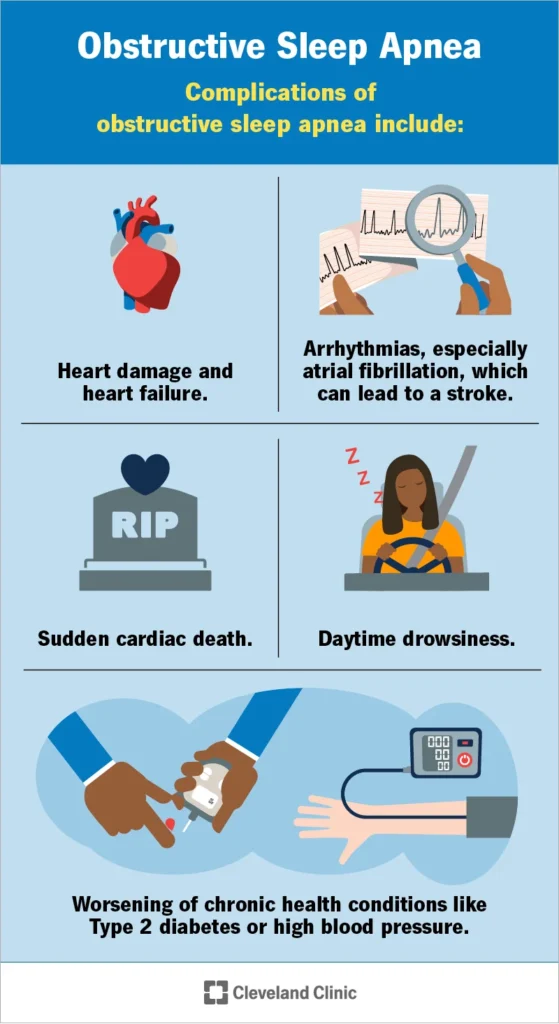
One reason the conversation keeps resurfacing is that snoring can be more than a relationship joke. Some health outlets have emphasized that sleep-disordered breathing can connect to broader health risks, including heart-related concerns. If you want a general explainer that’s been in the news cycle, see Central Sleep Apnea vs. Obstructive Sleep Apnea: Which Is More Serious?.
The health reality: when snoring is just noise—and when it isn’t
Snoring usually happens when airflow becomes turbulent as you sleep. Soft tissues in the throat can vibrate when the airway narrows. Alcohol, nasal congestion, sleep position, and weight changes can all influence it.
Sometimes, though, snoring is part of a bigger pattern called sleep apnea. The two broad categories you’ll hear about are obstructive sleep apnea (airway collapses or gets blocked) and central sleep apnea (the brain’s breathing signals don’t fire consistently). Both deserve attention, but the right next step depends on symptoms and risk factors.
Here’s the practical takeaway: if snoring comes with breathing pauses, choking/gasping, or crushing daytime sleepiness, it’s not just “annoying.” It’s a reason to get evaluated.
What you can try at home (without wasting a month)
If your goal is better sleep quality on a budget, start with the highest-yield, lowest-drama moves. Give each change a short test window (about 7–14 nights) so you can tell what’s working.
Step 1: Run a quick snoring audit
Pick two signals to track: (1) how you feel at 2 p.m., and (2) what your partner (or a snore app) reports about volume and frequency. Keep it simple. If you track ten things, you’ll change nothing.
Step 2: Reduce easy triggers
Try side sleeping, especially if snoring is worse on your back. Limit alcohol close to bedtime, since it can relax airway muscles. Treat temporary congestion with common-sense comfort measures that are safe for you.
If you’re experimenting with viral trends (like mouth taping), be cautious. Trends move faster than evidence. If you have nasal blockage, reflux, panic symptoms, or any breathing concerns, skip it and choose a safer option.
Step 3: Consider an anti snoring mouthpiece for mechanical help
An anti snoring mouthpiece aims to improve airflow by changing jaw or tongue position during sleep. Many designs work by gently bringing the lower jaw forward, which can help keep the airway more open for some people.
Budget lens: a mouthpiece is often cheaper than cycling through multiple gadgets. It’s also more direct than hoping a new pillow fixes anatomy. Fit and comfort matter, though, and you should stop if you get persistent jaw pain or tooth issues.
If you want an option that pairs two approaches, you can look at this anti snoring mouthpiece.
Step 4: Give it a fair trial
Night one can be awkward. That’s normal. Aim for gradual adaptation, and pay attention to morning jaw comfort and how rested you feel. If you’re worse off after a week, that’s useful data, not a failure.
When to stop DIY and get checked
Home experiments are fine for mild snoring. They are not the right plan if sleep apnea is possible.
Consider medical evaluation if you notice any of the following: witnessed breathing pauses, waking up gasping, loud snoring most nights, morning headaches, high blood pressure concerns, or significant daytime sleepiness. Also get help if your partner reports “quiet… then a snort and a restart.” That pattern matters.
Snoring plus heart or breathing symptoms should move you out of the gadget aisle and into a clinician conversation. Testing is often simpler than people expect, and it can clarify whether a mouthpiece is appropriate or if another therapy is needed.
FAQ: quick answers people want before buying anything
Can a mouthpiece improve sleep quality if I don’t have apnea?
It can, if snoring is disrupting your sleep continuity (or your partner’s). Less noise and fewer micro-awakenings can translate to feeling more rested.
How do I know if my snoring is “positional”?
If it’s much worse on your back and improves on your side, position likely plays a big role. A simple side-sleep trial can be informative.
What side effects should I watch for?
Jaw soreness, tooth discomfort, dry mouth, and bite changes are common concerns. Mild early soreness can happen, but ongoing pain is a stop sign.
CTA: make one smart move tonight
If snoring is messing with your sleep (and your relationships), pick one practical step and test it for two weeks. If you want to understand the basics before you buy, start here:
How do anti-snoring mouthpieces work?
Medical disclaimer: This article is for general education and is not medical advice. Snoring can be a sign of sleep apnea or other conditions. If you have breathing pauses, chest pain, severe daytime sleepiness, or other concerning symptoms, seek evaluation from a qualified clinician.