
Before you try anything “viral” for snoring, run this quick checklist.
- Are you waking up unrefreshed, even after 7–9 hours?
- Does your partner report loud snoring, pauses, or gasping?
- Did snoring ramp up after weight changes, travel, or a stressful season?
- Have you tried the basics (side-sleeping, less alcohol late, nasal support)?
- Do you want a low-effort option that doesn’t involve another app?
If you checked more than one, you’re not alone. Snoring is showing up everywhere right now—sleep gadgets in gift guides, workplace burnout conversations, travel fatigue memes, and relationship jokes about “who gets the couch.” The noise is funny until your sleep quality drops and your days feel foggy.
What people are talking about right now (and why it matters)
Sleep has become a lifestyle category. There are trackers, smart rings, white-noise machines, and even connected-care conversations around oral appliances. The trend is clear: people want simple fixes that fit real life.
At the same time, more headlines are pushing a serious point: snoring can be harmless, but it can also be a clue. Obstructive sleep apnea gets mentioned often, along with common misconceptions about what it looks like and who it affects. That’s a helpful shift, because “just snoring” sometimes isn’t just snoring.
Another theme in the news cycle: weight and sleep. Many clinicians discuss how weight changes can influence airway mechanics and sleep apnea risk for some people. That doesn’t mean weight is the only factor. It does mean sleep health and overall health tend to move together.
The medical reality (kept simple): snoring vs. sleep apnea
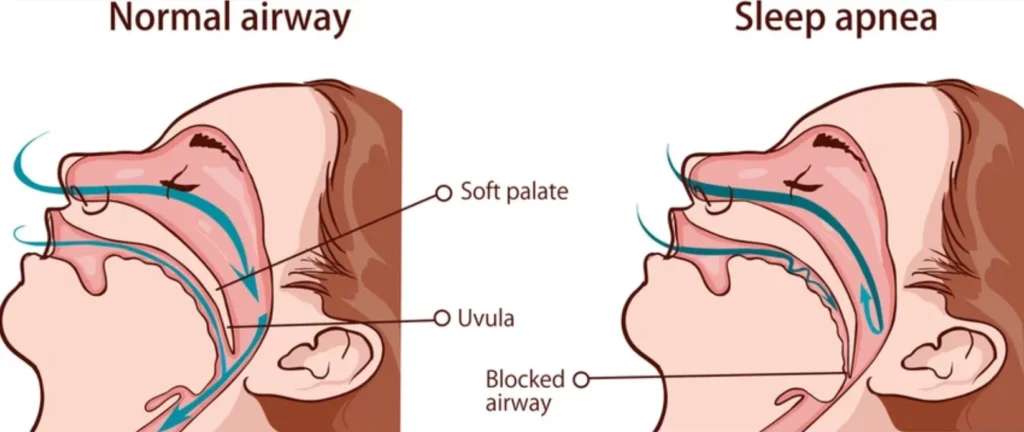
Snoring usually happens when airflow is partially blocked and tissues vibrate. The blockage can come from your nose, soft palate, tongue, or jaw position. Alcohol, congestion, sleep position, and fatigue can all make it worse.
Sleep apnea is different. It involves repeated breathing interruptions during sleep. Symptoms can include loud snoring, choking or gasping, morning headaches, and significant daytime sleepiness.
If you want a quick refresher on warning signs, see this overview on How Weight Loss Can Help Your Sleep Apnea. Use it as a prompt for a conversation, not a self-diagnosis.
How to try at home (a practical order of operations)
Step 1: Fix the easy multipliers for 7 nights
Start with what stacks the odds in your favor. These changes won’t feel exciting, but they’re high-leverage.
- Side-sleep if you can. Back-sleeping often worsens snoring.
- Limit alcohol close to bedtime. It relaxes airway muscles.
- Address nasal issues. Congestion can push you toward mouth-breathing.
- Protect your schedule. Travel fatigue and late nights can make snoring louder.
Give it one week. If your partner still hears “chainsaw mode,” move to the next step.
Step 2: Consider an anti snoring mouthpiece (when the pattern fits)
An anti snoring mouthpiece is often used to change jaw or tongue position to keep the airway more open. People tend to look for it when:
- Snoring is worse on your back.
- You wake with a dry mouth (suggesting mouth-breathing).
- Your partner reports steady snoring more than pauses and gasping.
- You want a travel-friendly option that doesn’t need power or Wi‑Fi.
Shopping tip: focus on comfort, fit, and return policies. If you want to compare categories, start here: anti snoring mouthpiece.
Step 3: Track outcomes like an adult (not like a biohacker)
You don’t need a spreadsheet. Use a simple 1–10 score for three things: snoring volume (partner-rated), morning energy, and midday sleepiness. Check in after 3 nights and again after 14.
If your snoring improves but you feel jaw soreness, that’s a signal. Minor adjustment discomfort can happen. Persistent pain is not something to “push through.”
When to stop experimenting and get help
Self-tries are fine for mild, situational snoring. They are not a substitute for evaluation when red flags show up.
- Choking, gasping, or witnessed pauses in breathing
- Severe daytime sleepiness or drowsy driving risk
- High blood pressure or morning headaches
- Snoring that escalates fast or doesn’t respond to basic changes
Also consider a clinician visit if you suspect sleep apnea or if you’re using a mouthpiece and develop ongoing jaw pain, tooth pain, or bite changes.
FAQ: quick answers people want before they buy
Can a mouthpiece help if my snoring is mostly nasal?
Sometimes, but nasal congestion often needs its own solution. If airflow through your nose is poor, you may still mouth-breathe and snore.
Will a mouthpiece improve sleep quality right away?
Some people notice changes quickly. Others need an adjustment period. The best indicator is how you feel during the day, not just the noise level.
What if my partner is the one snoring?
Make it a team problem, not a blame game. Agree on a 2-week trial plan and track results together. It reduces friction and keeps the goal clear: better sleep for both of you.
Next step: get a quieter night without overcomplicating it
If your checklist points toward a device-based approach, start with comfort and consistency. A mouthpiece is often easier to stick with than a pile of gadgets that end up in a drawer.
How do anti-snoring mouthpieces work?
Medical disclaimer: This article is for general education only and is not medical advice. Snoring can have many causes, and sleep apnea requires professional evaluation and treatment. If you have choking/gasping at night, significant daytime sleepiness, or other concerning symptoms, consult a qualified clinician.