
Before you try another sleep gadget, run this quick checklist:
- Is your snoring new, louder, or happening most nights?
- Is your partner nudging you, leaving the room, or joking about “sleep divorce”?
- Do you wake up tired, foggy, or with headaches?
- Have travel fatigue, stress, or burnout made your sleep feel thinner lately?
- Are you tempted by extreme hacks (taping, straps, apps) because you’re desperate?
If you checked more than one, don’t panic. Do get practical. Snoring can be a simple annoyance, but it can also be a sign your sleep is getting disrupted.
What people are talking about right now (and why)
Sleep has turned into a full-on consumer category. Wearables score your “readiness.” Apps record your snore. New mouth-based devices are being designed to plug into connected care systems. That trend makes sense because people want proof, not guesses.
At the same time, social media loves bold shortcuts. Mouth taping keeps popping up as a “biohack.” It’s trendy because it’s simple. It’s also controversial because breathing and sleep aren’t the place for one-size-fits-all experiments.
Then there’s the real-world pressure: business travel, red-eye flights, and endless meetings. Add relationship stress and workplace burnout, and the tolerance for nightly snoring drops fast. Nobody wants to negotiate pillows at 2 a.m.
What matters medically (snoring isn’t always harmless)
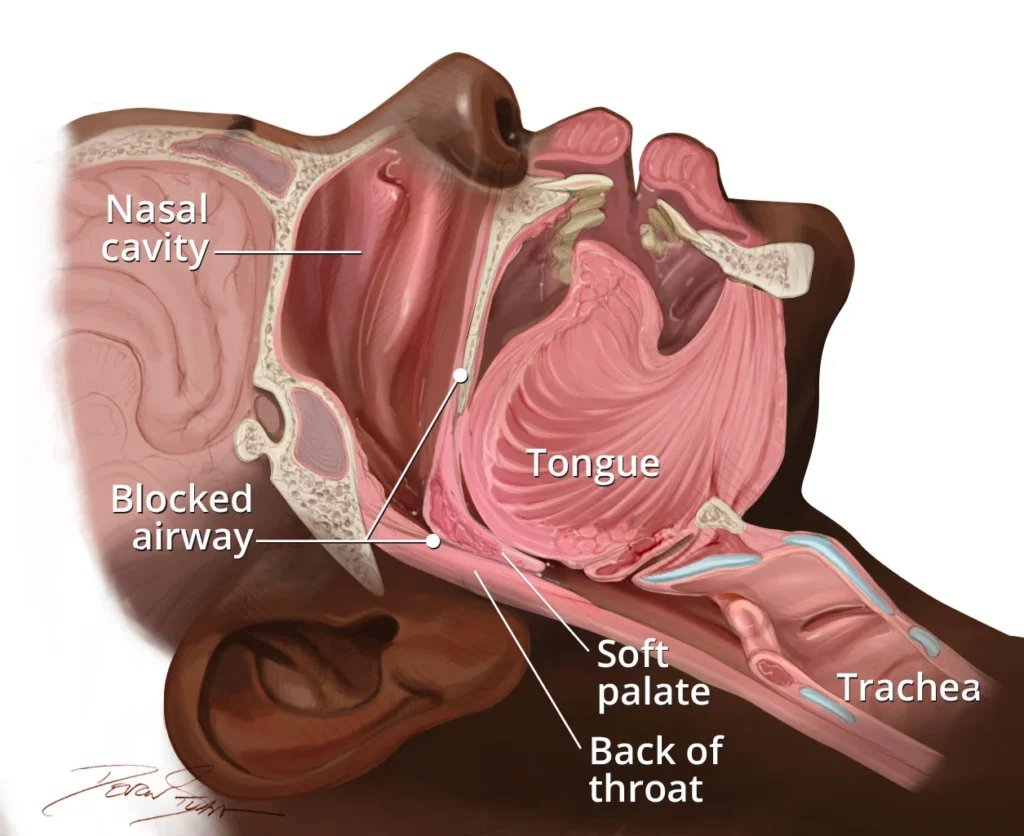
Snoring happens when airflow causes tissues in your throat to vibrate. Sometimes that’s just anatomy plus sleep position. Other times, snoring can show up alongside sleep-disordered breathing.
You’ve likely seen recent discussions comparing different types of sleep apnea and how serious they can be. In simple terms, obstructive sleep apnea is tied to airway blockage during sleep, while central sleep apnea involves breathing signals from the brain. The takeaway: not all snoring equals apnea, but persistent symptoms deserve attention.
Snoring can also overlap with broader health conversations, including heart health. That doesn’t mean snoring automatically leads to a heart problem. It does mean poor sleep and breathing disruptions shouldn’t be brushed off as “just noise.”
If you want a general explainer that reflects what people have been reading lately, see Central Sleep Apnea vs. Obstructive Sleep Apnea: Which Is More Serious?.
How to try at home (without turning bedtime into a lab)
Start with low-drama changes for 7–14 nights. Keep it simple so you can tell what helped.
Step 1: Set up a two-minute “snore audit”
- Track frequency: most nights vs. occasional.
- Track impact: partner disturbance, wake-ups, dry mouth, sore throat.
- Track daytime: sleepiness, focus dips, irritability.
This makes the conversation less personal. It’s not “you snore.” It’s “our sleep is getting hit.”
Step 2: Fix the common amplifiers
- Position: back sleeping often worsens snoring. Side sleep can help some people.
- Alcohol close to bed: it can relax airway muscles and make snoring louder.
- Nasal blockage: congestion can push you toward mouth breathing.
- Sleep debt: when you’re overtired, sleep can get deeper and snoring may spike.
Step 3: Where an anti snoring mouthpiece fits
An anti snoring mouthpiece is often used to support a better airway by adjusting jaw or tongue positioning during sleep. People like it because it’s portable, doesn’t require power, and travels well when hotel sleep is already fragile.
If your snoring seems position-related or worse after long, stressful weeks, a mouthpiece may be a reasonable next step. If you also deal with mouth opening, some people look for a combo approach. Here’s a related option to compare: anti snoring mouthpiece.
Comfort matters. If a device causes pain, jaw locking, or persistent soreness, stop and reassess. A “power through it” mindset backfires at night.
Step 4: Be cautious with extreme hacks
Trends like mouth taping get attention because they sound easy. But restricting airflow can be risky for some people, especially if nasal breathing isn’t reliable. If you’re considering any restrictive approach, it’s smart to talk with a clinician first.
When to stop troubleshooting and get help
Move from DIY to professional guidance if any of these show up:
- Breathing pauses, choking, or gasping noticed by you or a partner
- Severe daytime sleepiness, near-miss driving moments, or concentration problems
- Morning headaches or waking with a racing heart
- Snoring that persists despite basic changes and a consistent trial
Also get help sooner if you have underlying heart or lung conditions, or if symptoms feel intense. You don’t need to “earn” an evaluation.
FAQ: fast answers for tired people
Do mouthpieces work right away?
Some people notice changes quickly, while others need a short adjustment period. If sleep gets worse or pain shows up, stop and reassess.
What if my partner is the one who snores?
Make it a shared goal: “better sleep for both of us.” Use neutral data (snore recordings, frequency notes) and avoid late-night arguments.
Can stress and burnout make snoring worse?
They can indirectly affect sleep depth, routines, and alcohol timing. Those factors may change snoring patterns for some people.
Next step: make the choice easier
If you want a straightforward place to start, focus on comfort, consistency, and a short trial window. Don’t chase five fixes at once.
How do anti-snoring mouthpieces work?
Medical disclaimer: This article is for general education and is not medical advice. It does not diagnose, treat, or replace care from a qualified clinician. If you suspect sleep apnea or have concerning symptoms, seek professional evaluation.