
Snoring isn’t just a “funny couple problem” anymore. It’s showing up in conversations about wearables, sleep scores, and workplace burnout.
After travel, late nights, or a stressful month, a louder snore can feel like your body’s not recovering.
Bottom line: an anti snoring mouthpiece can be a smart, low-friction tool—if your snoring pattern fits, and you screen for red flags first.
The quick decision guide (If…then…)
If your snoring is occasional (travel, alcohol, congestion), then start with the basics
Jet lag and hotel-room dryness can turn anyone into a chainsaw. The same goes for a cold or seasonal allergies.
Try simple steps first: side sleeping, nasal support (like saline or strips), and a consistent wind-down. If the snoring fades as your routine normalizes, you may not need a device.
If you snore most nights and your partner notices mouth breathing, then look at airflow and dryness
Recent health coverage has put mouth breathing back in the spotlight, and for good reason. It can dry tissues and irritate the throat, which may make snoring louder.
If you’re curious about the broader conversation, see this reference on A Wake-Up Call to Mouth Breathing!.
If you wake with a dry mouth, sore throat, or your partner says you sleep with your mouth open, address nasal breathing and sleep position. A mouthpiece may still help, but it shouldn’t be your only move.
If your snoring is loud and position-dependent, then a mouthpiece is worth considering
Many snorers are louder on their back. For these people, jaw and tongue position can matter.
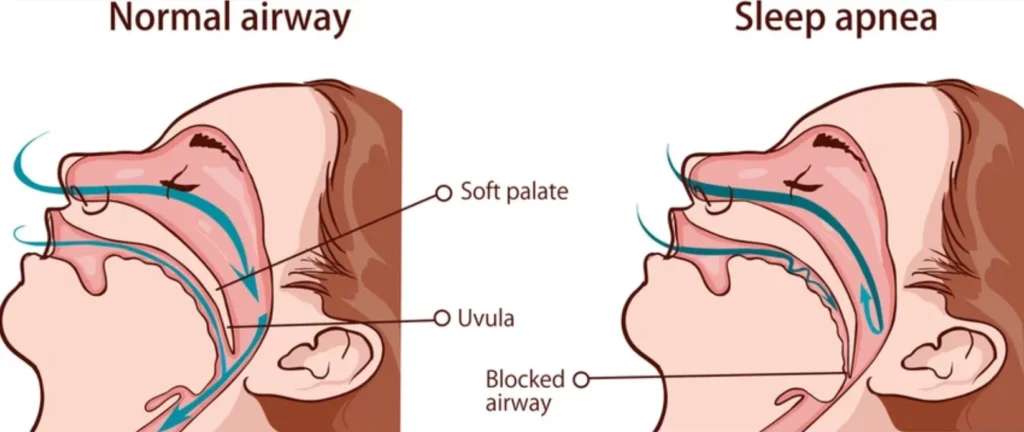
An anti snoring mouthpiece (often a mandibular advancement style) aims to keep the airway more open by gently moving the lower jaw forward. Fit and comfort drive success, so choose a design you can actually wear all night.
If you want to compare choices, start here: anti snoring mouthpiece.
If you feel exhausted despite “enough hours,” then treat snoring as a screening signal
Sleep culture loves quick fixes—rings, apps, smart pillows, the whole aisle of gadgets. They can be useful, but they don’t replace medical screening.
Snoring plus daytime sleepiness, morning headaches, or witnessed pauses in breathing can point to obstructive sleep apnea. In that case, a mouthpiece might be part of the solution, but you’ll want proper evaluation first.
If you have jaw pain, dental issues, or a history of TMJ problems, then slow down and document your choice
Mouthpieces change how your jaw sits during sleep. That can trigger soreness or bite changes in some people.
For safety and fewer headaches later, keep it simple: note your baseline symptoms, take a quick photo of your bite if you’re worried, and stop if pain persists. If you have crowns, loose teeth, or significant TMJ symptoms, ask a dentist before committing.
What people are talking about right now (and what matters)
Sleep tech everywhere: Sleep scores can motivate better habits, but they can also create “performance sleep” anxiety. Use data to spot patterns, not to chase perfect numbers.
Burnout and recovery: When work stress rises, sleep gets lighter. Lighter sleep makes snoring feel louder and more disruptive, especially in shared bedrooms.
Relationship humor with a real edge: Jokes about sleeping on the couch are common. A practical plan beats nightly negotiations.
Travel fatigue: Time zones, alcohol at events, and unfamiliar pillows can spike snoring. Packable solutions (like a mouthpiece) appeal for that reason, but screening still comes first.
Mini checklist: before you try an anti snoring mouthpiece
- Rule out urgent red flags: choking/gasping, witnessed breathing pauses, severe daytime sleepiness, high blood pressure concerns—talk to a clinician.
- Confirm the pattern: back-sleeping snore, dry mouth, and partner reports help you choose the right approach.
- Prioritize fit: discomfort is the #1 reason people quit.
- Track outcomes for 10–14 nights: volume (partner rating), morning dryness, and daytime energy.
FAQs
Is an anti snoring mouthpiece the same as a CPAP?
No. A mouthpiece typically repositions the jaw or stabilizes the tongue to reduce snoring. CPAP is a prescribed device that delivers pressurized air for sleep apnea.
Can mouth breathing make snoring worse?
It can. Mouth breathing may dry the throat and change airflow, which can increase vibration and noise. Persistent mouth breathing also deserves a check-in with a clinician or dentist.
How do I know if my snoring could be sleep apnea?
Common red flags include loud snoring with choking/gasping, witnessed breathing pauses, morning headaches, and excessive daytime sleepiness. A clinician can assess symptoms and order testing if needed.
Are boil-and-bite mouthpieces safe?
Many people use them, but fit matters. Poor fit can cause jaw soreness, tooth discomfort, or bite changes. Stop use if pain persists and consider professional guidance.
Will weight loss stop snoring or sleep apnea?
Weight changes can improve breathing during sleep for some people, but results vary. It’s often one part of a broader plan rather than a guaranteed fix.
CTA: pick the low-drama next step
If your snoring is frequent, position-related, and not paired with major red flags, a mouthpiece can be a reasonable next move. Keep your approach measurable: comfort, consistency, and next-day energy.
How do anti-snoring mouthpieces work?
Medical disclaimer: This article is for general education and does not provide medical advice. Snoring can be a symptom of obstructive sleep apnea or other conditions. If you have breathing pauses, choking/gasping, chest pain, severe daytime sleepiness, or persistent symptoms, seek evaluation from a qualified clinician.