
Before you try an anti snoring mouthpiece, run this quick checklist:
- Rule out “easy” triggers: alcohol close to bed, back sleeping, heavy late meals, and nasal congestion.
- Notice mouth breathing: waking with dry mouth, sore throat, or a parched tongue can be a clue.
- Listen for red flags: gasping, choking, or pauses in breathing need medical attention.
- Pick one change at a time: it saves money and helps you know what actually worked.
Overview: Why snoring is everywhere right now
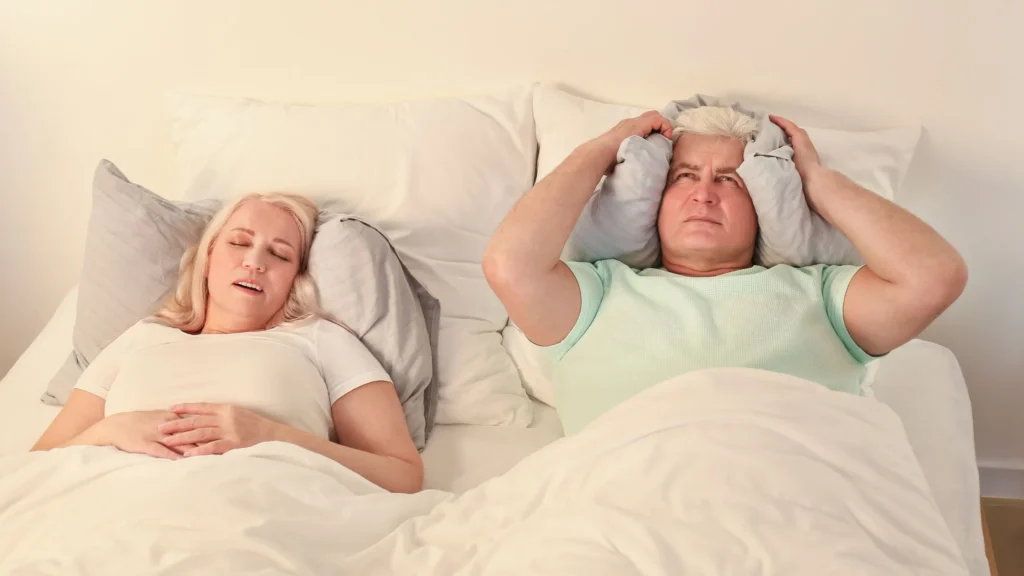
Snoring has become a weirdly public topic. People swap sleep gadget recommendations like they swap phone chargers. Travel fatigue makes it worse, too, especially after late flights and unfamiliar hotel pillows. Then there’s the relationship humor: one person “sleeps,” the other negotiates with earplugs.
Under the jokes is a real issue: sleep quality affects mood, focus, and energy. When work burnout is already high, a noisy night can tip the next day from “fine” to “fried.”
Many recent conversations also point to mouth breathing. It’s often linked with dry mouth and throat irritation, and it can go hand-in-hand with snoring for some people. If you keep waking up dehydrated, that detail matters.
Timing: When a mouthpiece is worth trying (and when it’s not)
An anti-snoring mouthpiece is usually a practical next step when:
- Snoring is frequent and bothers you or a partner.
- You suspect you snore more on your back.
- You wake up with dry mouth and feel you’re sleeping with your mouth open.
- You want a non-pharmacy option you can test at home.
Skip the DIY experiment and talk to a clinician sooner if you have signs that could point to sleep apnea. Common warning signs include loud snoring with gasping/choking, witnessed breathing pauses, and significant daytime sleepiness. For a general reference on symptoms and causes, see this A Wake-Up Call to Mouth Breathing! explainer.
Supplies: What you need for a no-waste trial
- A simple tracking note: phone notes or paper works. Track bedtime, alcohol, congestion, and how you felt in the morning.
- Basic nasal support (optional): saline rinse or shower steam if you’re stuffy.
- A consistent pillow setup: don’t change three things at once.
- A mouthpiece you can fit correctly: comfort and adjustability matter more than hype.
If you’re comparing products, start here: anti snoring mouthpiece. Keep the goal simple: a realistic test you’ll actually stick with for two weeks.
Step-by-step (ICI): Identify → Choose → Iterate
1) Identify your likely snoring pattern
For three nights, track what’s happening without changing much. Note back-sleeping, congestion, late drinks, and how often you wake up. If your partner is involved, ask for a 1–10 “noise score.” Keep it light. This is data, not a debate.
2) Choose a plan that matches the cause you can influence
Snoring often comes from airflow turbulence as tissues relax during sleep. For many people, jaw position plays a role. That’s where mouthpieces can help by supporting a more open airway position during sleep.
If you suspect nasal blockage is driving mouth breathing, handle that first. A mouthpiece won’t magically clear congestion. You’ll get a cleaner test if you can breathe through your nose comfortably.
3) Iterate the fit slowly (comfort beats “max adjustment”)
Most mouthpiece failures happen because people go too aggressive on night one. Aim for “noticeably different, not painful.” If you wake up with sharp jaw soreness, scale back and reassess.
- Night 1–3: prioritize comfort and wear time.
- Night 4–7: make small adjustments if snoring is unchanged.
- Week 2: decide based on results you can measure (noise score, wake-ups, morning dry mouth, daytime energy).
Think of it like tuning a bike seat. One big jump feels wrong. Small changes get you to “rides well” faster.
Common mistakes that waste money (and sleep)
Chasing gadgets instead of a routine
Sleep tech can be fun, but it’s easy to buy three devices and still keep the same habits. Lock in a boring baseline first: consistent bedtime, less late alcohol, and a stable sleep setup.
Ignoring mouth breathing signals
Dry mouth and sore throat in the morning are not just annoying. They’re clues. If mouth breathing is frequent, look at nasal congestion, allergies, and bedroom dryness.
Expecting a mouthpiece to solve possible sleep apnea
Snoring can be benign, but it can also overlap with sleep apnea. If you have red flags, don’t self-manage indefinitely. Get evaluated.
Making too many changes at once
If you add a mouthpiece, switch pillows, start nasal strips, and change bedtime all in the same week, you won’t know what helped. Save your budget. Test one lever at a time.
FAQ: Quick answers people actually need
Does an anti snoring mouthpiece help sleep quality?
It can if snoring is disrupting sleep for you or your partner. Better continuity often feels like better sleep, even without changing total hours.
What if I only snore when I travel?
Travel fatigue, alcohol at social dinners, and back-sleeping in hotel beds can spike snoring. Try a short “travel protocol” before assuming it’s a permanent problem.
Can I combine a mouthpiece with side-sleeping?
Many people do. Side-sleeping can reduce snoring for some, and the combo can be more effective than either alone.
CTA: Start a two-week, low-drama test
If snoring is messing with your nights, keep the experiment simple. Track it, fit it carefully, and adjust slowly. That’s how you avoid buying your way into frustration.
How do anti-snoring mouthpieces work?
Medical disclaimer: This article is for general education only and is not medical advice. It does not diagnose, treat, or replace care from a qualified clinician. If you suspect sleep apnea or have persistent symptoms, seek medical evaluation.