
- Snoring isn’t just noise. It can signal poor sleep quality and fragmented rest.
- Mouth breathing is trending for a reason. People are connecting it to dry mouth, sore throat, and oral health hassles.
- An anti snoring mouthpiece is a tool, not a cure-all. It fits best when jaw position and airway collapse are part of the problem.
- Screen for sleep apnea before you “hack” your sleep. Some snoring needs testing, not gadgets.
- Document what you try. It reduces risk, saves money, and helps you make cleaner decisions.
The big picture: why snoring is suddenly everyone’s business
Sleep has become a public hobby. People compare wearables, swap travel-fatigue tips, and argue about the latest “sleep optimization” gadget like it’s a new phone release.
Snoring sits right in the middle of that trend. It’s audible, it affects relationships, and it shows up fast when burnout, late-night scrolling, or work travel pushes routines off track.
Another theme in recent health talk: mouth breathing. When nasal breathing is blocked or sleep posture slips, the mouth often takes over. That can leave you waking up with a dry, irritated throat and a “why am I still tired?” morning.
If you want a quick read on why clinicians keep flagging mouth breathing, see this resource on A Wake-Up Call to Mouth Breathing!.
The human side: sleep loss, relationship jokes, and real frustration
Snoring is one of the fastest ways to turn bedtime into negotiations. One person wants closeness. The other wants silence. Add travel jet lag or a high-stress week, and the “just deal with it” approach collapses.
That’s why anti-snoring products keep popping up in conversations about sleep health. They feel like a practical compromise: try something low-barrier before escalating to appointments, tests, and machines.
Still, snoring can be emotionally loaded. People worry it means something serious. Partners worry they’ll never sleep. Both end up tired, short-tempered, and less resilient at work.
Practical steps: where an anti snoring mouthpiece fits (and where it doesn’t)
A mouthpiece is most often used to reduce snoring by helping keep the airway more open during sleep. Many designs aim to support jaw position so tissues don’t relax into the airway as much.
Step 1: Get specific about your snoring pattern
Don’t rely on vibes. Track for 7–14 nights.
- When is it worst? Back sleeping, after alcohol, during allergies, after travel?
- How do mornings feel? Dry mouth, sore throat, headaches, grogginess?
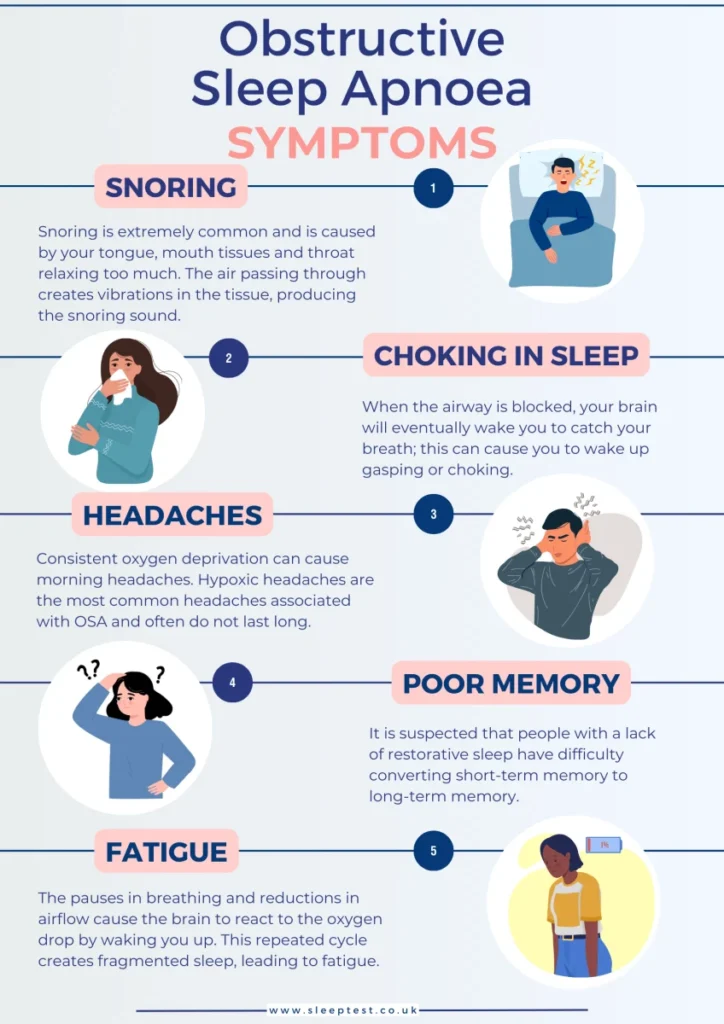
- Any red flags? Gasping, choking, witnessed pauses in breathing, or extreme daytime sleepiness.
Step 2: Reduce “easy” triggers first
These aren’t glamorous, but they’re high-yield. Try one change at a time so you can see what mattered.
- Side-sleeping support if snoring spikes on your back
- Alcohol timing adjustments if snoring tracks with late drinks
- Basic congestion management (especially during seasonal shifts)
- Consistent sleep window during heavy workload weeks
Step 3: Consider a mouthpiece when the pattern points to airway collapse
If snoring is frequent and position-related, an anti-snoring mouthpiece may be a reasonable next test. Keep the goal narrow: less snoring and better sleep continuity, not “perfect sleep.”
If you’re comparing options, start here: anti snoring mouthpiece.
Safety and screening: reduce risk, avoid the wrong problem
This is the part most people skip. Don’t. It protects your health and helps you make defensible choices if you later involve a clinician.
Rule 1: Screen for sleep apnea signals
Snoring can be a nuisance, but it can also be tied to sleep-disordered breathing. If you have loud nightly snoring plus choking/gasping, witnessed pauses, or significant daytime sleepiness, prioritize medical evaluation over DIY experimentation.
Apnea isn’t one-size-fits-all. Conversations lately have also compared obstructive vs central patterns. The takeaway for consumers is simple: you can’t self-diagnose the type based on sound alone.
Rule 2: Don’t ignore mouth and jaw health
Mouthpieces interact with teeth and jaw joints. If you already have jaw pain, clicking, unstable dental work, or gum disease, get guidance first. That step lowers the chance of making a small problem expensive.
Rule 3: Treat it like a “trial,” not a forever commitment
Write down what you used, when you started, and what changed. Keep it simple:
- Snoring intensity (partner rating or app estimate)
- Dry mouth/sore throat (yes/no)
- Morning energy (1–10)
- Any jaw or tooth discomfort (where, when, how long)
If side effects rise or benefits don’t show up after a fair trial, stop and reassess rather than forcing adaptation.
Cleaning and hygiene: the unsexy risk reducer
Any oral device needs consistent cleaning and full drying. Poor hygiene can contribute to irritation and funky odors, and it may increase infection risk. Follow the product’s care instructions and replace the device as recommended.
Quick medical disclaimer
This article is for general education and does not provide medical advice or a diagnosis. Snoring can be a sign of sleep apnea or other conditions. If you have choking/gasping, breathing pauses, chest pain, severe daytime sleepiness, or concerns about heart health, seek evaluation from a qualified clinician.
FAQ: fast answers people actually want
Can an anti snoring mouthpiece improve sleep quality?
Yes, when it reduces snoring and micro-awakenings. It’s less reliable if the main driver is nasal blockage or untreated sleep apnea.
Is mouth breathing connected to snoring?
Often. Mouth breathing can reflect nasal obstruction or sleep posture that promotes airway narrowing. It also commonly pairs with dry mouth and throat irritation.
How do I know if it’s time for a sleep study?
Consider it if there are breathing pauses, gasping/choking, loud snoring most nights, high blood pressure concerns, or heavy daytime sleepiness. A partner’s observations help.
Can I use a mouthpiece if I have TMJ issues?
Be cautious. TMJ symptoms can worsen with an ill-fitting device. A dentist or clinician can help you choose safer options.
Do wearables and apps accurately measure apnea?
They can highlight trends, but they don’t confirm apnea. Use them as prompts to seek evaluation, not as a diagnosis.
CTA: take one step tonight
If you want a practical starting point, explore mouthpiece options and run a short, documented trial. Keep it focused, keep it clean, and screen for red flags first.