
At 2:07 a.m., the hotel room is silent—until it isn’t. One person is out cold after a long travel day. The other is staring at the ceiling, bargaining with the universe and scrolling sleep gadgets on their phone.
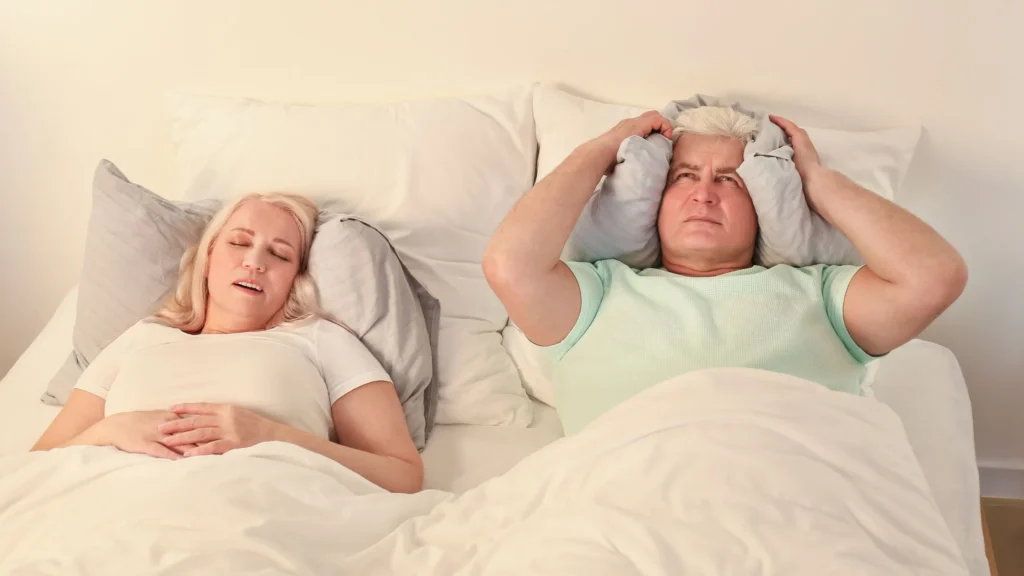
If that sounds familiar, you’re not alone. Snoring has become a weirdly mainstream topic lately, mixing health trends, relationship humor, and workplace burnout in one tired package. Let’s sort what matters, what’s hype, and where an anti snoring mouthpiece can fit into a smarter sleep plan.
Why does snoring feel louder lately?
Part of it is awareness. People are tracking sleep with rings, watches, and bedside sensors, then comparing notes. When your app says your sleep quality tanked, snoring becomes the obvious suspect.
Another part is lifestyle. Stress, late nights, travel fatigue, and alcohol can all make snoring more likely. Even a minor cold can turn a quiet sleeper into a chainsaw for a week.
Is snoring “just annoying,” or could it be a health issue?
Snoring can be harmless. It can also show up alongside sleep-disordered breathing. That’s why major medical resources keep emphasizing symptoms and risk factors, not just volume.
Consider a check-in with a clinician if snoring comes with choking or gasping, morning headaches, heavy daytime sleepiness, or if your partner notices breathing pauses. Those patterns can overlap with sleep apnea, which needs proper evaluation and treatment.
Medical note: This article is educational and not medical advice. It can’t diagnose sleep apnea or other conditions. If you suspect a breathing-related sleep problem, talk with a qualified healthcare professional.
What’s the deal with mouth taping and “sleep hacks”?
Mouth taping keeps popping up in conversations about mouth breathing and better sleep. The idea gets framed as a simple fix: tape your lips, breathe through your nose, sleep like a baby.
Reality is more complicated. If your nose is blocked, forcing mouth closure can be risky. And if snoring is tied to throat vibration or jaw position, tape may not address the root cause anyway.
If you’re curious about the trend itself, see this related coverage here: Clinical Effectiveness of Nasal Dilators in Sleep-Disordered Breathing: A Systematic Review and Meta-Analysis.
What actually changes snoring: nose, mouth, or throat?
Snoring is vibration from airflow meeting resistance. Where that resistance happens varies by person.
Nasal factors
Congestion, allergies, and structural narrowing can push you toward mouth breathing. Nasal devices (like dilators) get attention because they’re simple and non-invasive. Research summaries and reviews tend to describe mixed results depending on the person and the exact condition.
Mouth and jaw position
For many people, jaw relaxation during sleep narrows the airway. That’s where oral appliances come in. Recent headlines also hint at more connected-care concepts and new trial devices, which matches the broader trend: sleep tools are getting more “techy,” even when the mechanism is basic.
Throat and soft tissue vibration
Weight changes, alcohol close to bedtime, and sleep position can influence airway tone. Side-sleeping and reducing late-night alcohol are common, low-risk levers. They’re also less exciting than gadgets, which is why they get ignored.
When does an anti snoring mouthpiece make sense?
An anti snoring mouthpiece is usually designed to help keep the airway more open by guiding the jaw forward or stabilizing the tongue. It’s often most relevant when snoring worsens on your back, or when your partner notices the sound is more “throat-based” than “stuffy-nose based.”
It may be a good idea to look into a mouthpiece if:
- You snore regularly and it disrupts sleep quality (yours or theirs).
- You’ve tried basic sleep hygiene and positional changes without much improvement.
- Your snoring seems tied to jaw drop or back-sleeping.
It may be the wrong tool if jaw pain flares easily for you, if you have significant dental issues, or if you suspect sleep apnea and haven’t been evaluated.
If you want to compare products, start here: anti snoring mouthpiece.
What can you do tonight for better sleep quality (without a shopping spree)?
Sleep advice gets preachy fast, so here’s the short list that people actually stick with.
Run a “nose check” before bed
If you’re congested, address that first. Dry air, allergies, and late showers can all play a role. If nasal blockage is frequent, consider discussing it with a clinician.
Change the angle, not your entire life
Try side-sleeping or slight head elevation. It’s not glamorous, but it can reduce snoring for some people quickly.
Protect the wind-down window
Burnout turns bedtime into doom-scrolling time. Set a short cutoff for bright screens and heavy work. Even 20 minutes of calmer input can help your sleep depth.
How do you know if your snoring plan is working?
Don’t chase perfect. Look for three practical signals:
- Fewer wake-ups: you (or your partner) stop popping awake from noise.
- Better mornings: less fog, fewer headaches, less dry mouth.
- Consistency: improvements hold on work nights, not just weekends.
If you’re using a wearable, treat the score as a clue—not a verdict. How you feel matters.
FAQ: quick answers people keep asking
Do anti-snoring mouthpieces work for everyone?
No. They’re a better match for some snoring patterns than others.
Is snoring always a sign of sleep apnea?
No, but certain symptoms should raise the priority for medical evaluation.
What’s the difference between nasal dilators and mouthpieces?
Nasal devices target nasal airflow. Mouthpieces target jaw/tongue position and throat airflow.
Can mouth breathing make snoring worse?
It can, especially if it reflects ongoing nasal obstruction.
Should I try mouth taping to stop snoring?
Use caution and avoid it if breathing issues or sleep apnea are possible.
Next step: pick one change and test it for a week
Snoring fixes work best when you stop stacking ten hacks at once. Choose one lever—position, nasal support, or an oral appliance—and track the result for seven nights.
If you want a straightforward starting point, explore a mouthpiece approach here, then decide based on comfort and fit: How do anti-snoring mouthpieces work?
Medical disclaimer: This content is for general education only and does not replace medical advice. If you have symptoms suggestive of sleep apnea (gasping, witnessed pauses, severe daytime sleepiness) or persistent snoring, seek evaluation from a licensed healthcare professional.