
Myth: Snoring is just a funny relationship quirk.
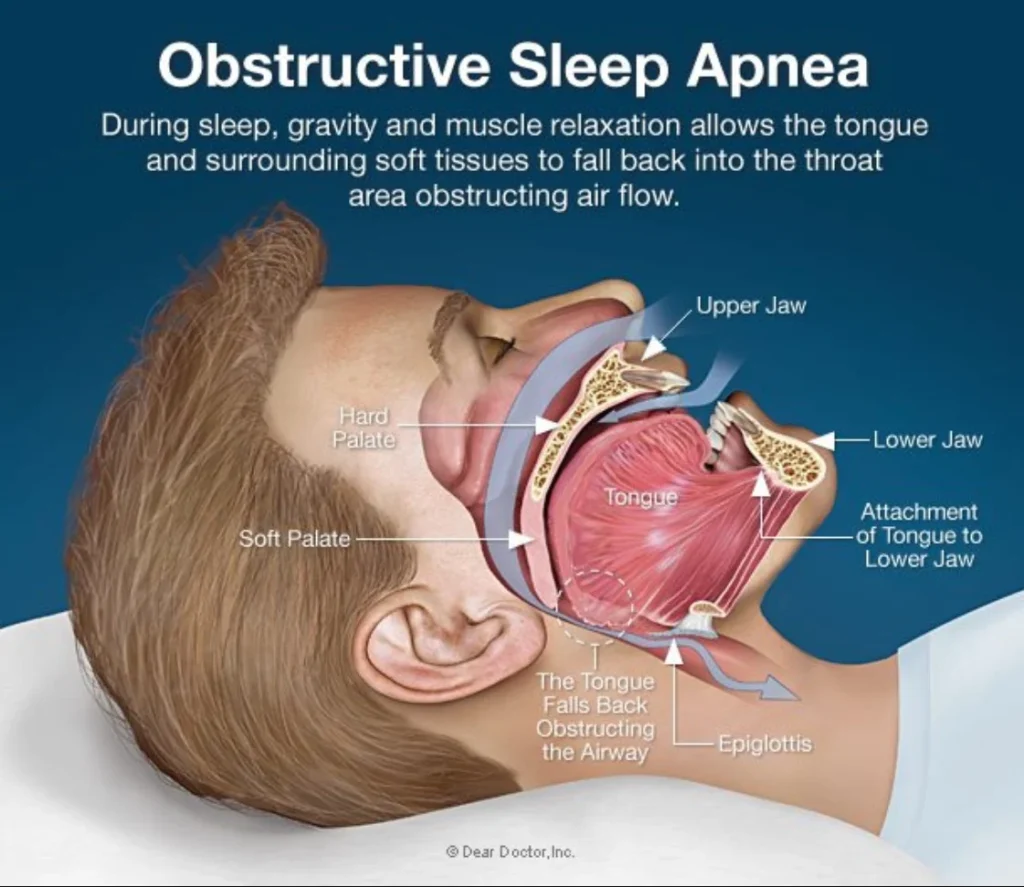
Reality: It can wreck sleep quality for two people at once—and the next day shows up as brain fog, irritability, and that “burnout” feeling everyone keeps talking about.
Between travel fatigue, wearable sleep scores, and the latest sleep gadget debates, snoring has become a dinner-table topic again. The goal isn’t perfection. It’s steadier, quieter sleep that you can repeat.
The big picture: why snoring keeps trending
Snoring sits at the intersection of health trends and real life. People are comparing notes on mouth taping, nasal strips, smart pillows, and “expert tips” for insomnia. At the same time, more articles are reminding readers that snoring can overlap with sleep apnea concerns.
Here’s the practical takeaway: snoring is common, but it isn’t always harmless. If your nights feel fragmented, it’s worth treating snoring as a sleep health signal, not just noise.
The emotional side: partners, travel, and the 2 a.m. spiral
Snoring is a relationship stressor because it’s repetitive and unpredictable. One person feels blamed. The other feels deprived. Add a workweek packed with meetings, and suddenly everyone’s patience drops.
Travel makes it worse. New pillows, dry hotel air, late meals, and exhaustion can amplify snoring. That’s why “portable” solutions—simple tools with a consistent routine—get so much attention.
Practical steps that actually stack the odds
Skip the all-or-nothing thinking. The most reliable approach is a small set of changes you can stick with, plus one targeted tool.
Step 1: Start with positioning (low effort, high impact)
Back sleeping can make snoring more likely for many people. Side sleeping often helps because it changes how soft tissue sits in the airway.
If you wake up on your back, don’t assume you “failed.” Try a body pillow, a firmer pillow that keeps your head from tipping back, or a gentle positional strategy that nudges you sideways.
Step 2: Reduce the “snore amplifiers” on purpose
Some nights are louder for predictable reasons. Alcohol close to bedtime, heavy late meals, and nasal congestion can all raise the odds.
You don’t need a perfect routine. Pick one lever you can control this week and track whether mornings feel better.
Step 3: Where an anti snoring mouthpiece fits
An anti snoring mouthpiece is popular because it’s direct: it aims to improve airflow by adjusting oral positioning during sleep. For many shoppers, it also feels more grounded than trendier hacks.
Two basics matter most: comfort and consistency. A mouthpiece that hurts or feels bulky won’t get worn, and an unused device can’t help.
Tools and technique: comfort, positioning, and the “ICI” basics
Think “ICI” when you set up your routine:
- Improve comfort: Start with shorter wear time, then build up. If you clench or feel sore, pause and reassess fit and jaw comfort.
- Check positioning: The goal is stable, gentle alignment while you sleep. If you wake up removing it, that’s feedback—adjust your approach, not your willpower.
- Increase consistency: Pair it with a simple cue (brush teeth → rinse mouthpiece → insert). Habits beat motivation.
Cleanup that doesn’t become a chore
Rinse after use and clean it regularly per the product instructions. Let it dry fully. A simple routine prevents odor and buildup, which are common reasons people quit early.
Safety and “should I get tested?” checks
Snoring conversations are also turning toward screening and treatment questions for obstructive sleep apnea (OSA) and central sleep apnea. If you’re unsure what to ask, this resource on ‘I’m a sleep expert, these 4 tips will help you beat insomnia for good’ can help you show up prepared.
Consider talking to a clinician if you notice loud, frequent snoring plus any of the following: gasping/choking, witnessed breathing pauses, morning headaches, high blood pressure, or significant daytime sleepiness. Those patterns deserve a real evaluation, not just a gadget swap.
Medical disclaimer: This article is for general education only and isn’t medical advice. It doesn’t diagnose or treat sleep apnea or other conditions. If you have concerning symptoms, seek guidance from a qualified clinician.
Choosing a mouthpiece setup that people actually stick with
Comfort is the make-or-break factor. If you also struggle with mouth opening during sleep, a combo approach may feel more stable than a single piece alone.
If you’re comparing options, this anti snoring mouthpiece is one way people try to support positioning and reduce nighttime slip.