
Snoring has a way of turning bedtime into a negotiation. One person wants deep sleep, the other wants silence.
It’s no surprise the internet keeps serving up “one weird trick” sleep hacks and shiny gadgets.
If you want better sleep quality, skip risky trends and focus on tools that support your airway—comfortably and consistently.
What people are trying right now (and why it’s everywhere)
Sleep content is having a moment. You’ll see wearable trackers, smart alarm clocks, travel “recovery kits,” and plenty of relationship humor about who’s banished to the couch.
One trend getting extra attention is nighttime mouth-taping. Some headlines have raised Scientists warn against viral nighttime mouth-taping trend—mainly because “closing the mouth” isn’t the same as “opening the airway.”
Meanwhile, nasal dilators and nose strips still trend because they’re simple. Some research reviews discuss how nasal dilators may help certain people with sleep-disordered breathing, but results vary by person and by the cause of snoring.
Under all the hype is the same real-life problem: burnout, travel fatigue, and inconsistent sleep schedules make snoring feel louder and sleep feel lighter.
What actually matters for sleep health (the medical basics)
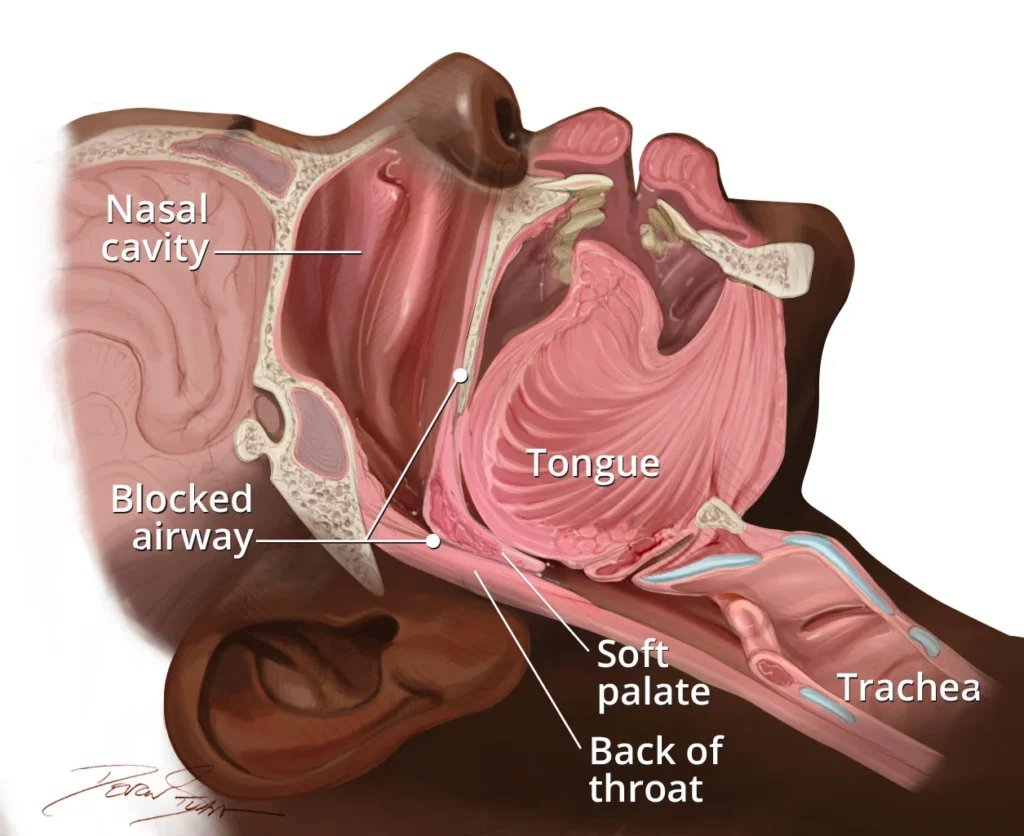
Snoring usually happens when airflow gets turbulent and soft tissues vibrate. That can be influenced by nasal congestion, throat anatomy, sleep position, alcohol, and how relaxed your jaw and tongue get at night.
Sometimes snoring is “just snoring.” Other times it can be a sign of obstructive sleep apnea, where the airway repeatedly narrows or collapses during sleep. Many health sources also highlight that sleep apnea can affect more than your energy, including cardiovascular strain over time.
Another layer: chronic nasal issues. Ongoing congestion or sinus problems can push you toward mouth breathing, which may worsen snoring. If you’ve had sinus surgery or are managing chronic rhinosinusitis, sleep quality can change as breathing changes.
Key point: the best fix depends on where the airflow problem starts—nose, jaw/tongue position, or a broader sleep-breathing disorder.
How to try at home (without turning bedtime into a science project)
This is the practical, low-drama approach. Try one change at a time for a few nights so you can tell what’s helping.
1) Start with the basics: position, routine, and timing
Side-sleeping often reduces snoring for many people because it can keep the tongue and soft palate from falling backward. If you’re a back sleeper, try a pillow setup that makes side-sleeping easier.
Keep the last hour before bed boring. Bright screens, heavy meals, and alcohol close to bedtime can all make sleep lighter and snoring worse for some people.
2) Check your nose before you blame your throat
If you’re congested, you may default to mouth breathing. That’s where some people experiment with nasal strips or internal nasal dilators.
If you can’t breathe comfortably through your nose while awake, don’t try mouth-taping. It can feel “sleep-optimized” online, but it can backfire when nasal airflow isn’t solid.
3) Where an anti snoring mouthpiece fits
An anti snoring mouthpiece is often designed to support the airway by influencing jaw and tongue position. In plain language: it tries to keep the airway more open so air moves quietly.
These tools can be especially appealing when snoring is worse on your back, after travel, or during stressful weeks when muscle tone and sleep depth change.
4) Comfort and fit: ICI basics (imprint, comfort, integrity)
Imprint: If your mouthpiece is moldable, follow the timing steps carefully so it conforms without feeling bulky. A rushed mold can create pressure points.
Comfort: Start with shorter wear if needed. Try it for 30–60 minutes before sleep for a few nights so your jaw adapts.
Integrity: If you notice sharp edges, cracks, or a change in how your teeth meet in the morning that doesn’t fade, stop and reassess.
5) Positioning and pairing: mouthpiece + chinstrap (for some people)
Some snorers struggle with mouth opening during sleep, especially when they’re exhausted or congested. A combo approach may help with stability for certain sleepers.
If you’re exploring that route, this anti snoring mouthpiece is an example of a paired setup people look for when they want support without relying on viral hacks.
6) Cleanup and care (so it doesn’t get gross)
Rinse after each use. Brush it gently with a soft toothbrush and mild soap if the product instructions allow it.
Let it air-dry fully. A closed, wet case can turn into a smell factory fast.
When it’s time to stop guessing and get help
Snoring is common, but a few signs should move you from DIY to professional input.
- Choking, gasping, or witnessed breathing pauses during sleep
- Strong daytime sleepiness, morning headaches, or brain fog that won’t quit
- High blood pressure or heart concerns alongside loud snoring
- Jaw pain, tooth pain, or bite changes with any oral device
- Persistent nasal blockage, especially if it’s one-sided or worsening
Also ask for help if snoring is straining your relationship or your work performance. Sleep loss adds up, and workplace burnout doesn’t mix well with fragmented nights.
FAQ: quick answers before you buy another gadget
Is snoring always a health problem?
No, but it can be. Snoring can be harmless, yet it can also signal sleep-disordered breathing. Pay attention to symptoms, not just sound.
What if my snoring is mostly from my nose?
Then nasal-focused tools and treating congestion may matter more. If mouth breathing is a habit because your nose feels blocked, address nasal airflow first.
Can I use a mouthpiece if I have dental work?
Maybe. If you have crowns, braces, implants, TMJ issues, or gum disease, ask a dentist before using an oral appliance.
Next step: get the “how” before you commit
If you want a straightforward explanation of what these devices do and what to expect, start here:
How do anti-snoring mouthpieces work?
Medical disclaimer: This article is for general education and does not provide medical advice, diagnosis, or treatment. If you suspect sleep apnea or have concerning symptoms, seek evaluation from a qualified clinician.