
At 1:47 a.m., someone nudges their partner and whispers, “Please… roll over.” The partner tries, fails, and the snoring restarts like a phone alarm you can’t find. By morning, both people are tired, annoyed, and weirdly guilty.
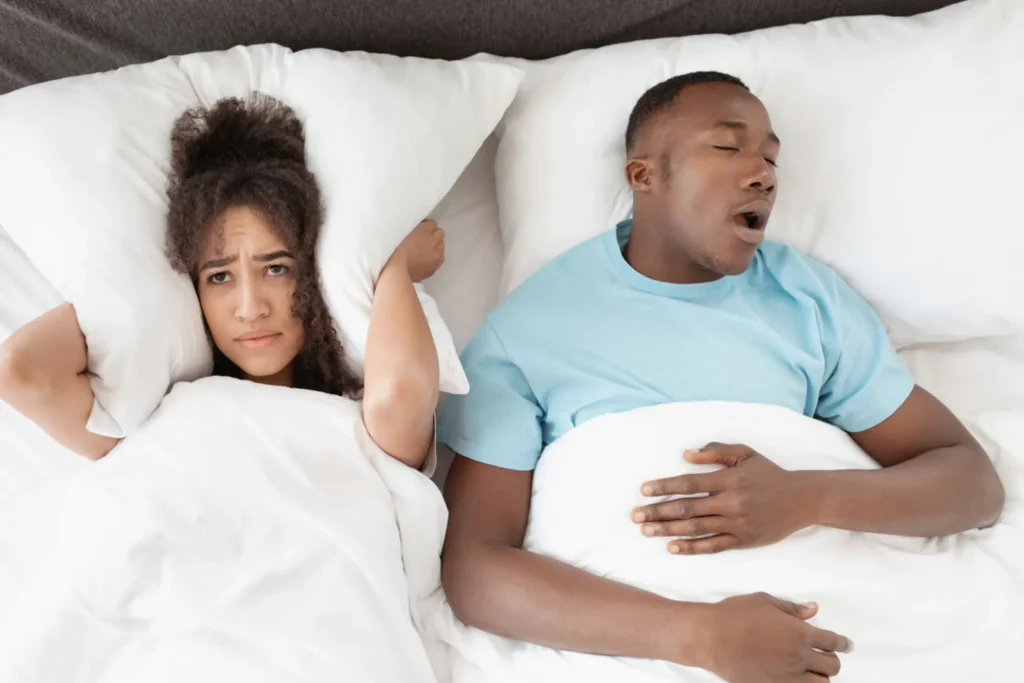
That’s why snoring is everywhere right now. It’s showing up in sleep gadget chatter, “quick fix” trend cycles, and relationship jokes that are funny until you’re the one staring at the ceiling. If you’re looking at an anti snoring mouthpiece, you’re not alone.
What people are trying right now (and why it’s trending)
Snoring talk has shifted from “just deal with it” to “optimize it.” Wearables score your sleep. Apps record your snore audio. Social feeds rotate through hacks, then move on to the next thing.
Trend #1: The anti-hack backlash
Some viral ideas get attention because they’re dramatic, not because they’re reliable. A lot of recent advice leans toward simple, boring basics that actually fit real life. Think routines, sleep position, and addressing nasal congestion.
Trend #2: Nose-first solutions
Nasal strips and dilators keep popping up in conversations about sleep-disordered breathing. Reviews and roundups often frame them as helpful for certain people, especially when airflow through the nose is the bottleneck.
Trend #3: “We’re exhausted” as a health trend
Workplace burnout and travel fatigue are doing a number on sleep. When you’re run down, you notice everything more—snoring included. Couples also have less patience when both are under-slept.
What actually matters medically (snoring isn’t always harmless)
Snoring can be simple vibration from relaxed tissues. It can also be a clue that your airway is narrowing too much during sleep. That’s where sleep apnea enters the chat.
Snoring vs. sleep apnea: the key difference
Snoring is a sound. Sleep apnea is a breathing problem. Some people snore without apnea, and some people have apnea without loud snoring.
Obstructive sleep apnea (OSA) usually involves the airway collapsing or getting blocked. Central sleep apnea is different and relates to breathing control signals. Either way, if apnea is present, it’s not a DIY problem.
Why the heart angle keeps coming up
Health outlets have been emphasizing that sleep apnea can connect with broader health risks, including cardiovascular concerns. If you want a general overview from a major medical source, see this link on Clinical Effectiveness of Nasal Dilators in Sleep-Disordered Breathing: A Systematic Review and Meta-Analysis.
Congestion and sinus issues: the “not glamorous” snoring driver
When your nose is blocked, you may switch to mouth breathing. That can make snoring more likely for some people. Chronic nasal or sinus problems can also affect sleep quality in general. If you’ve had sinus surgery or persistent symptoms, it’s worth discussing sleep with your clinician.
Medical disclaimer: This article is for general education only. It does not diagnose, treat, or replace medical care. If you suspect sleep apnea or have significant symptoms, talk with a qualified clinician.
What you can try at home (practical, not performative)
You want actions that reduce snoring risk without turning bedtime into a science project. Start with the easiest levers first, then add targeted tools.
1) Do a two-minute “snore setup” before lights out
- Side-sleep if you can. Back-sleeping often makes snoring worse for many people.
- Keep alcohol close to bedtime in check. It can relax airway muscles.
- Set your room up for fewer wake-ups: cooler temp, darker space, fewer alerts.
2) Clear the nasal bottleneck (if that’s your pattern)
If you regularly feel stuffy at night, consider basic steps like showering before bed or using clinician-recommended options for congestion. Some people also experiment with nasal dilators or strips, especially if they notice the snoring is “nose-driven.”
3) Where an anti snoring mouthpiece fits
If your snoring seems linked to jaw position or your tongue falling back, a mouthpiece may help by supporting the airway space. Many people look for a solution that doesn’t require charging, syncing, or sleeping with a sensor stuck to their chest.
If you’re comparing products, start here: anti snoring mouthpiece.
4) The relationship move: agree on a plan
Snoring becomes a couple problem fast. Make it a shared project instead of a nightly blame loop. Pick one change for a week, track what happens, then adjust. That keeps the conversation from turning into “you always” and “you never.”
When to stop experimenting and get help
Home fixes are fine for mild, occasional snoring. Don’t wait it out if symptoms point to something bigger.
Red flags that deserve evaluation
- Pauses in breathing, choking, or gasping during sleep
- Morning headaches or dry mouth most days
- Excessive daytime sleepiness or dozing off unintentionally
- High blood pressure or new/worsening health concerns
- Snoring that escalates quickly or becomes disruptive nightly
If you suspect apnea, prioritize testing
A clinician can help decide whether a home sleep test or in-lab study makes sense. If apnea is present, treatment choices change. A mouthpiece might still be part of the conversation, but it should be guided.
FAQ: quick answers for tired people
Do anti-snoring mouthpieces work for everyone?
No. They can help some patterns of snoring, especially when jaw/tongue position plays a role. Results vary.
Is snoring always a sign of sleep apnea?
No, but frequent loud snoring plus other symptoms can be a warning sign. If you’re unsure, get evaluated.
What’s the difference between obstructive and central sleep apnea?
Obstructive is usually a physical airway blockage. Central involves breathing control signals. Both require medical assessment.
Can nasal strips or nasal dilators stop snoring?
They may help when nasal airflow is the main issue. They won’t fix every cause of snoring.
When should I talk to a clinician about snoring?
If you have breathing pauses, gasping, significant daytime sleepiness, or worsening symptoms, don’t DIY it.
CTA: pick one next step tonight
If your household is negotiating sleep like it’s a hostage situation, choose a plan you can repeat. For many people, that means pairing basic sleep habits with a targeted tool.