
At 2:13 a.m., someone in 14B is awake again. Not because of turbulence. Because the snoring in 14A sounds like a tiny lawnmower trying to start. The next morning, the whole group chat is half jokes, half desperation, and one person sends a link to a “connected” sleep gadget that promises everything.
That mix—travel fatigue, burnout, relationship humor, and a flood of sleep tech—is basically the current moment. People want better sleep quality, but they also want a solution that feels simple. If snoring is the problem, an anti snoring mouthpiece is one of the most practical tools to consider.
Medical note: This article is for general education only. It can’t diagnose sleep apnea or other conditions. If you have severe symptoms, get advice from a qualified clinician.
What people are talking about right now (and why it matters)
Recent conversations in sleep health have focused on a few themes: how well nasal dilators work in sleep-disordered breathing, how nasal and sinus issues can affect sleep, renewed attention to sleep apnea symptoms and causes, and new oral appliances that can plug into broader “connected care” ecosystems. There’s also ongoing debate about viral hacks like mouth taping.
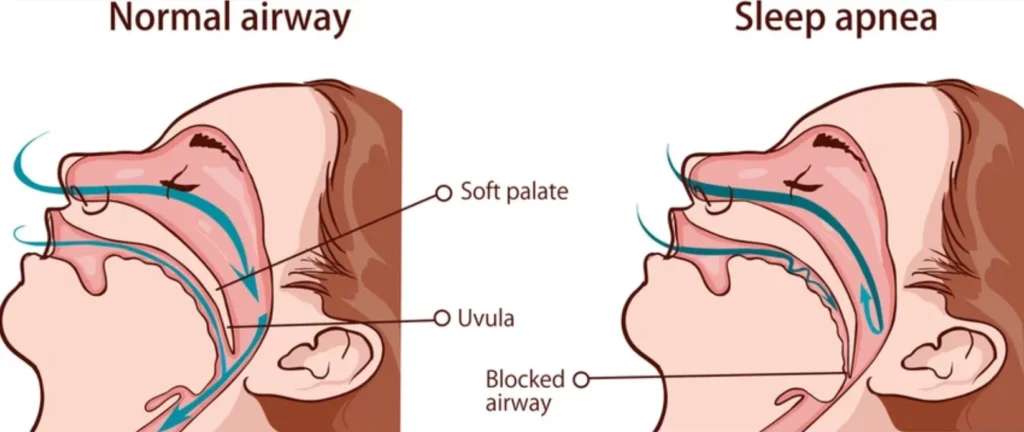
Here’s the useful takeaway: snoring can come from different bottlenecks. Nose, jaw position, soft palate, and overall airway stability can all play a role. So the best fix depends on the pattern, not the trend.
Your decision guide: If…then… pick the next step
Use this like a quick filter. You’re aiming for the simplest option that matches your situation.
If your snoring is worse with nasal congestion, then start with airflow basics
If you mostly snore during allergy season, colds, or when your nose feels blocked, your first lever may be nasal breathing support. Some people look at research summaries like this Clinical Effectiveness of Nasal Dilators in Sleep-Disordered Breathing: A Systematic Review and Meta-Analysis to decide whether nasal devices are worth trying.
Keep expectations realistic. If your snoring is mainly from throat vibration, nasal-only tools may not be enough. They can still be a helpful piece of the puzzle.
If you snore most on your back, then choose a tool that matches that pattern
Back-sleeping can let the jaw and tongue drift in ways that narrow the airway. If your partner says you quiet down when you roll to your side, positional strategies can help. A mouthpiece may also help by supporting jaw position through the night.
If your partner complains every night, then prioritize consistency over “cool” gadgets
This is where sleep trends can backfire. A new wearable might produce pretty charts, but it won’t necessarily change the noise. A well-chosen mouthpiece is low-drama: you use it, you sleep, you repeat.
Look for comfort and a stable fit first. If it hurts, you won’t wear it. If you don’t wear it, it won’t work.
If you wake up with a dry mouth, then don’t assume mouth taping is the answer
Dry mouth often shows up when you breathe through your mouth at night. That’s why mouth taping keeps popping up in headlines and social feeds. Still, it’s not a universal fix, and it may be a poor match if your nose is frequently blocked.
A mouthpiece approach can be a more structured option for some people, especially when jaw position contributes to snoring. If you’re tempted by hacks, pause and consider what’s actually driving your snoring.
If your snoring comes with scary symptoms, then treat it as a health issue, not a nuisance
Snoring can overlap with sleep apnea symptoms. If you or a partner notices breathing pauses, choking or gasping, or extreme daytime sleepiness, don’t DIY your way through it. Get evaluated. Better sleep quality isn’t just about feeling fresh; it can affect safety and long-term health.
How an anti snoring mouthpiece fits into sleep health
Most anti-snoring mouthpieces aim to reduce snoring by supporting the lower jaw in a slightly forward position. That can help keep the airway more open for some sleepers. When it works, the benefit isn’t only “less noise.” People often care more about what follows: fewer wake-ups, less resentment, and mornings that don’t feel like jet lag.
Think of it like a seatbelt for your jaw. It’s not glamorous, but it’s dependable when it fits correctly.
What to look for before you buy (quick checklist)
- Fit: Secure but not painful. A little adjustment period is normal; sharp pain isn’t.
- Comfort: You should be able to sleep through the night without constantly noticing it.
- Breathing: It shouldn’t make breathing feel restricted. If it does, stop and reassess.
- Partner impact: The best product is the one you’ll actually wear consistently.
FAQs (fast answers)
Is snoring always a sign of sleep apnea?
No. Many people snore without sleep apnea. But loud, frequent snoring plus choking/gasping, witnessed pauses, or heavy daytime sleepiness should be checked.
What does an anti snoring mouthpiece actually do?
Most designs gently position the lower jaw forward to help keep the airway more open, which can reduce vibration and snoring in some people.
How fast do mouthpieces work?
Some people notice a change the first night. For others it takes several nights to adjust fit and comfort, especially if jaw soreness shows up early.
Are nasal strips or nasal dilators enough on their own?
They can help if nasal blockage is the main issue, but results vary. If your snoring is mostly from throat collapse, a mouthpiece may be a better match.
Is mouth taping a good idea for snoring?
It’s a popular trend, but it’s not a fit for everyone. If you have nasal congestion, reflux, or any concern about breathing, talk with a clinician before trying it.
When should I skip DIY fixes and get evaluated?
Get evaluated if you have witnessed breathing pauses, wake up gasping, have high blood pressure, morning headaches, or persistent daytime sleepiness—especially if you drive for work.
CTA: A practical next step you can try this week
If you want a straightforward option that targets jaw position and nighttime mouth breathing, consider an anti snoring mouthpiece. It’s designed for people who want fewer moving parts and a more stable setup.
How do anti-snoring mouthpieces work?
Reminder: If you suspect sleep apnea or you have severe symptoms, use professional medical care. A product can support better sleep, but it shouldn’t replace an evaluation when red flags are present.