
Snoring turns “eight hours” into “eight interruptions.” It also has a talent for starting relationship debates at 2:00 a.m.
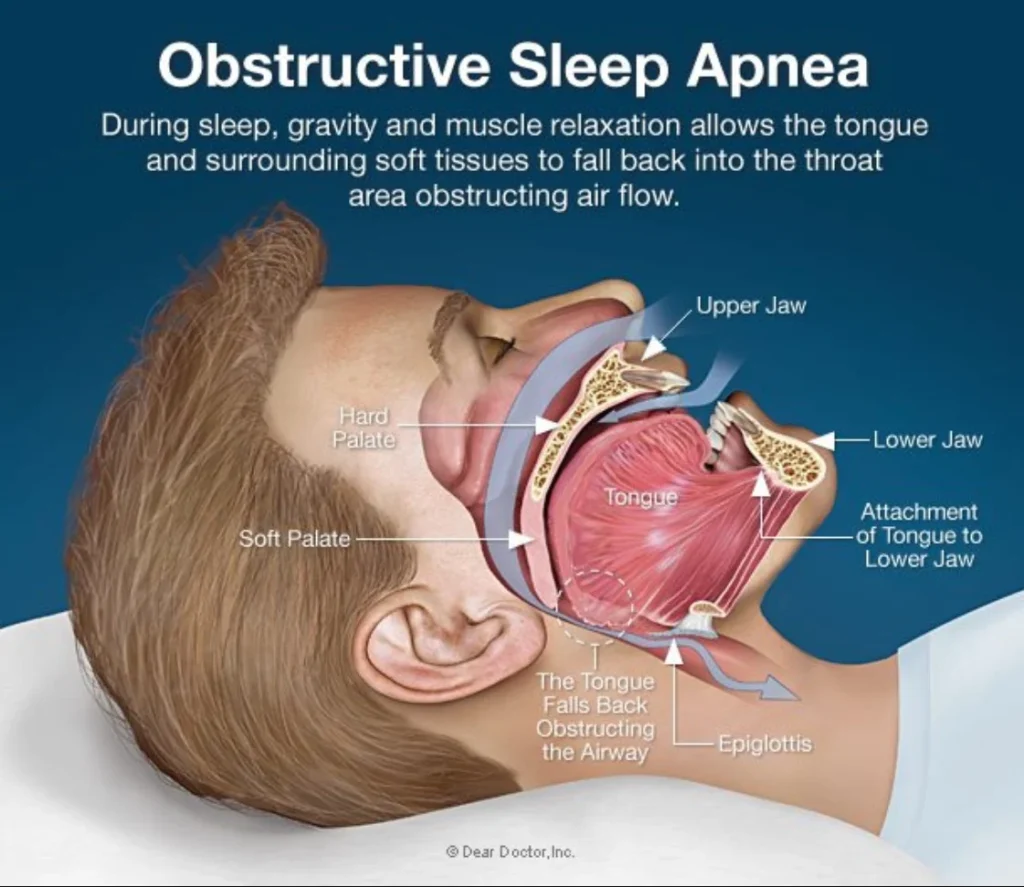
Here’s the thesis: better sleep usually comes from fewer gimmicks and one solid plan—identify the cause, try simple fixes, then use an anti snoring mouthpiece if it matches your snoring pattern.
The big picture: why snoring is suddenly everyone’s hobby
Sleep is having a cultural moment. People are buying trackers, testing “viral” hacks, and swapping gadget recommendations the way they used to swap coffee orders.
Some of that buzz comes from a real problem: modern schedules are rough on recovery. Travel fatigue, late-night screens, and workplace burnout can all nudge sleep quality in the wrong direction. Snoring often shows up right when you’re trying to “get back on track.”
For a mainstream overview on first steps that can help reduce snoring, see this recap-style coverage: Forget mouth taping — these 3 things will actually help you stop snoring in 2026.
The human side: when snoring becomes a “we” problem
Snoring isn’t just noise. It can create resentment, jokes that land badly, and the dreaded “I’ll sleep on the couch” routine.
If you share a bed, the fastest win is treating it like a joint project. Agree on a two-week experiment. Pick one or two changes at a time, then reassess. That keeps you out of the endless cycle of buying random sleep gadgets at midnight.
Practical steps that actually move the needle
Snoring usually happens when airflow gets turbulent and soft tissues vibrate. Your goal is to make breathing quieter by improving airway space and reducing triggers.
Step 1: spot your pattern (simple, not clinical)
Use quick clues. Do you snore more on your back? Does it spike after alcohol, congestion, or a late heavy meal? Do you wake up with a dry mouth?
These details help you choose the right tool. They also prevent you from forcing a solution that doesn’t match the problem.
Step 2: try the “low-effort” fixes first
Before you buy anything, test basics for several nights:
- Side-sleeping support: A body pillow or positional tweak can reduce back-sleep snoring.
- Nasal breathing support: If you’re congested, consider gentle, non-medicated options like saline rinses or nasal strips.
- Schedule and wind-down: Burnout sleep is fragile. A consistent bedtime and less late-night scrolling can reduce arousals that worsen snoring.
These aren’t glamorous, but they’re often the foundation that makes any mouthpiece work better.
Step 3: where an anti snoring mouthpiece fits in
An anti snoring mouthpiece is designed to influence positioning—usually the lower jaw, sometimes the tongue—so the airway stays more open during sleep. It’s a “mechanical” approach, which is why it’s popular when lifestyle tweaks aren’t enough.
If your snoring is worse on your back or you notice jaw relaxation at night, a mouthpiece may be worth testing. Some people also like pairing jaw support with a chinstrap-style helper to discourage mouth opening.
If you’re comparing options, here’s a relevant product category to review: anti snoring mouthpiece.
Comfort matters: ICI basics (improve, check, iterate)
Most mouthpiece drop-offs happen for one reason: comfort. Use an ICI mindset so you don’t quit too early or push through the wrong fit.
- Improve: Start with short wear periods before sleep, then increase time. Aim for “snug,” not “clamped.”
- Check: Each morning, note jaw soreness, tooth pressure, saliva changes, and whether snoring reports improved.
- Iterate: Make small adjustments only. Big changes can create pain and ruin compliance.
Positioning and technique: small tweaks, big difference
Jaw-advancement style devices work best when they hold you in a comfortable forward position. Too far forward can cause soreness. Not far enough may do nothing.
Also watch your sleep posture. A mouthpiece can help, but back-sleeping plus a flat pillow can still amplify vibration. Combine tools when it makes sense.
Cleanup: keep it simple so you’ll stick with it
Daily cleaning is part of success. Rinse after use, wash with mild soap and cool water, and let it air-dry. Keep it in a ventilated case.
Skip hot water unless the instructions explicitly allow it. Heat can warp materials and change fit.
Safety and testing: when to stop DIY and get checked
Snoring can be harmless, but it can also be a sign of sleep apnea. If you have loud snoring plus choking/gasping, witnessed breathing pauses, morning headaches, or heavy daytime sleepiness, talk with a clinician or a sleep specialist. Those symptoms deserve medical evaluation.
Pay attention to your mouth and jaw, too. If you develop sharp pain, tooth movement concerns, or persistent jaw clicking, stop using the device and get professional guidance.
Medical disclaimer: This article is for general education only and isn’t medical advice. It doesn’t diagnose, treat, or replace care from a licensed clinician. If you suspect sleep apnea or have significant symptoms, seek a professional evaluation.
FAQ: quick answers people ask in 2026
Is snoring always caused by mouth breathing?
No. Nasal congestion, sleep position, throat tissue vibration, alcohol, and anatomy can all contribute. Mouth breathing is just one piece.
Can a mouthpiece help with travel fatigue snoring?
Sometimes. Travel can increase snoring due to alcohol, dehydration, irregular sleep, and back-sleeping in unfamiliar beds. A mouthpiece may help if your snoring is position-related, but it won’t fix every trigger.
Should I try “viral” sleep hacks first?
Be cautious. Trendy techniques may not fit your situation, and some can be uncomfortable or risky. Start with proven basics and consider a mouthpiece if the pattern matches.
CTA: one clean next step
If you want a quieter night without turning your bedroom into a gadget lab, start with the basics, then evaluate a mouthpiece with a comfort-first plan.