
Myth: Snoring is just “noise” and the fix is always a trendy hack.
Reality: Snoring is often about airflow, positioning, and habits. Sometimes it’s also a red flag worth checking. With all the talk lately about sleep gadgets, mouth breathing, and quick-fix trends, it helps to get practical and calm about what actually moves the needle.
Why is snoring suddenly everyone’s favorite sleep topic?
Sleep is having a moment. You see new wearables, app scores, and “biohacks” everywhere. Add travel fatigue, late-night scrolling, and workplace burnout, and people start treating bedtime like a performance review.
Snoring becomes the loudest “metric” in the room. It’s also the one that can turn a shared bed into a comedy sketch. The joke stops being funny when nobody feels rested.
Is snoring just annoying, or can it affect health?
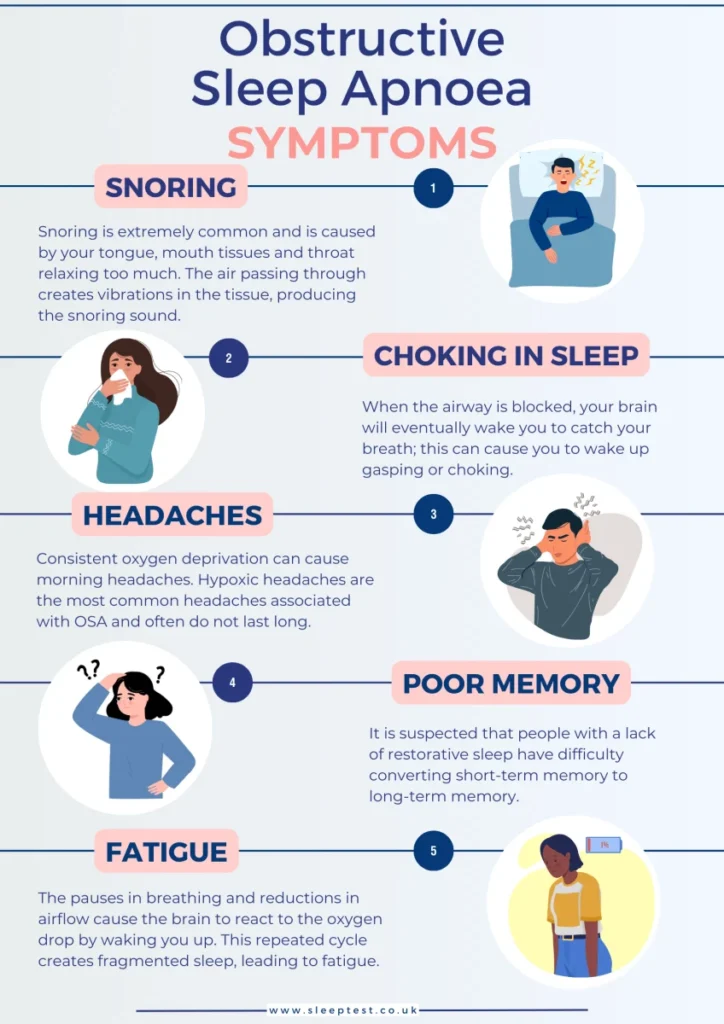
Snoring can be harmless. It can also show up alongside sleep-disordered breathing, including sleep apnea. Recent health coverage has also emphasized that snoring isn’t always “nothing,” especially when it comes with symptoms like gasping, choking, or extreme daytime fatigue.
If you want a deeper explainer on types of sleep apnea, here’s a useful reference framed the way many people search for it: Rating Scales for Obstructive Sleep Apnea Syndrome: The Importance of a Comprehensive Assessment.
What are people doing instead of “mouth taping” right now?
Sleep trends change fast. One week it’s tape, the next it’s a new device, a new pillow shape, or a viral breathing routine. The more grounded conversations lately tend to focus on basics that stack together.
Start with positioning (it’s underrated)
Back-sleeping can make snoring worse for many people because gravity encourages the jaw and soft tissues to fall backward. Side-sleeping often helps. A supportive pillow can also reduce neck strain, which matters for comfort and consistency.
Address nasal airflow and “mouth breathing” patterns
Mouth breathing gets a lot of attention in headlines for a reason: it can dry tissues and make snoring more likely for some sleepers. If congestion is common for you, think “airway first.” Simple steps like managing bedroom irritants and following clinician guidance for allergies can help.
Don’t ignore the lifestyle layer
Weight changes, alcohol timing, and late meals can all influence snoring in some people. Recent medical coverage has also discussed how weight loss may improve sleep apnea for certain patients. You don’t need perfection. You need repeatable habits.
So where does an anti snoring mouthpiece fit?
An anti snoring mouthpiece is usually designed to improve airflow by changing jaw or tongue position during sleep. For the right person, it can reduce vibration in the soft tissues that create snoring sounds.
Think of it like aligning a kinked garden hose. When airflow is less restricted, the “rattle” often calms down. Not everyone’s snoring has the same cause, so results vary.
How do anti-snoring mouthpieces work in plain language?
Jaw position: small shift, big difference
Many mouthpieces gently bring the lower jaw forward. That can create more space behind the tongue and reduce airway narrowing. The goal is not “forward as far as possible.” The goal is “forward enough to help, without pain.”
Comfort is not optional
If it hurts, you won’t wear it. If you don’t wear it, it can’t help. Comfort is a feature, not a bonus.
What should you look for in a mouthpiece if you want better sleep quality?
1) Fit that feels stable (not tight)
A stable fit helps you keep your jaw in a consistent position. Too loose can slip. Too tight can create soreness. Aim for “secure but forgettable.”
2) Adjustability and an easy routine
People stick with what’s simple. A mouthpiece that’s easy to put in, take out, and maintain has a better chance of becoming part of your nightly routine.
3) A plan for mouth opening
Some snorers open their mouth during sleep, especially with nasal blockage or deep fatigue from travel. In those cases, a combo approach may be appealing.
If you’re comparing options, you can review an anti snoring mouthpiece as one example of a setup designed to support jaw position and reduce mouth opening.
How do you make a mouthpiece more comfortable (and more likely to work)?
Use “ICI”: Insert, Check, Improve
Insert: Put it in the same way each night so the fit stays consistent.
Check: Notice pressure points in the morning. Also note dryness, jaw soreness, or tooth sensitivity.
Improve: Adjust within the product’s guidelines. If discomfort persists, pause and talk to a dentist or sleep clinician.
What about cleanup and hygiene?
Keep it boring. Boring is good here.
- Rinse after use.
- Brush gently with mild soap or follow the maker’s instructions.
- Dry fully before storage to reduce odor and buildup.
A clean device feels better, lasts longer, and is easier to stick with when you’re exhausted.
When should snoring move from “relationship joke” to “medical check”?
If you or a partner notices breathing pauses, choking/gasping, chest discomfort, or major daytime sleepiness, don’t try to out-gadget it. Consider a clinician visit and ask whether a sleep study makes sense. Recent clinical discussions also highlight that assessing sleep apnea often uses multiple measures, not just one score, because symptoms and risk vary by person.
CTA: ready to explore a practical option?
If your goal is quieter nights and better mornings, a mouthpiece can be one tool in a bigger sleep-health plan.
How do anti-snoring mouthpieces work?
Medical disclaimer: This article is for general education and is not medical advice. Snoring can have many causes, including sleep apnea. If you have severe symptoms (gasping, witnessed breathing pauses, chest pain, or extreme sleepiness), seek care from a qualified clinician.