
At 2:13 a.m., someone in seat 18B starts snoring like a tiny chainsaw. The row laughs, then groans, then everyone scrolls for “sleep gadgets” like it’s a group project. By the time the plane lands, two people have ordered a nasal strip, one has bookmarked a smartwatch, and one has quietly texted, “We need to talk about your snoring.”
That’s the vibe right now: sleep is trending, burnout is real, and snoring is suddenly a relationship and workplace topic. If you’re searching for an anti snoring mouthpiece, you’re not alone. Let’s cut through the noise and focus on what matters.
What people are talking about right now (and why)
Sleep content is everywhere. You’ll see talk about connected sleep ecosystems, new oral appliance trials, and “data-driven” bedtime routines. You’ll also see a renewed focus on sleep apnea education, including how clinicians use rating scales and broader assessments to understand severity and impact.
If you want the cultural shorthand: it’s less “buy one miracle gadget” and more “measure, adjust, and follow up.” That shift matters because snoring can be simple, or it can be a sign of something bigger.
Related reading that reflects this assessment-first trend: Rating Scales for Obstructive Sleep Apnea Syndrome: The Importance of a Comprehensive Assessment.
The medical reality: snoring vs. sleep apnea signals
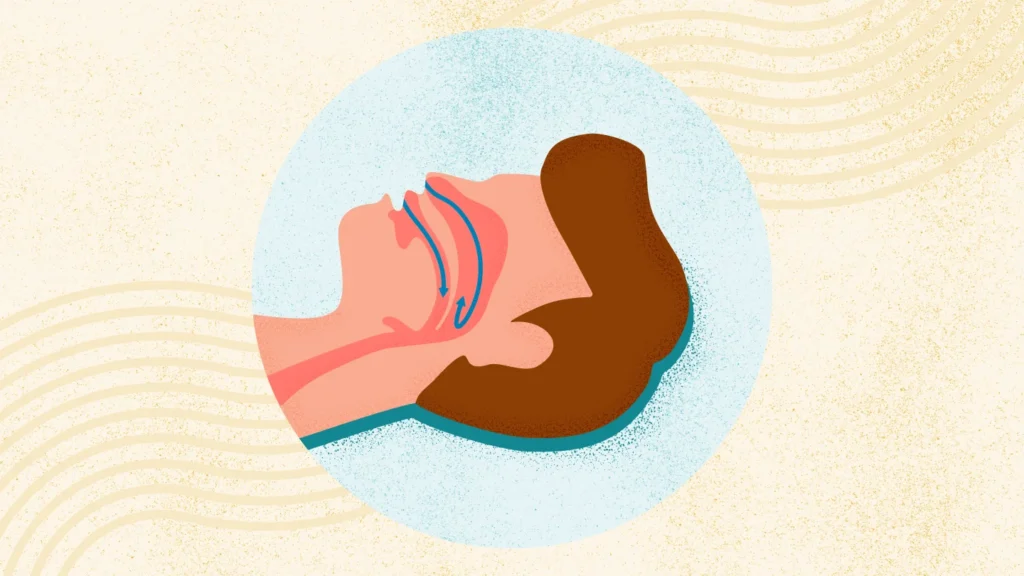
Snoring happens when airflow gets noisy as tissues in your upper airway vibrate. Sometimes it’s mostly anatomy and sleep position. Sometimes it’s worsened by alcohol, congestion, stress, or travel fatigue. And sometimes it overlaps with obstructive sleep apnea (OSA), where breathing can repeatedly narrow or pause during sleep.
Clues that snoring might be more than “annoying”
- Witnessed breathing pauses, choking, or gasping
- Morning headaches or dry mouth that won’t quit
- Excessive daytime sleepiness (not just “tired”)
- High blood pressure or cardiometabolic risk factors (ask your clinician)
- Snoring that’s loud, frequent, and getting worse
Also worth noting: weight changes can affect airway mechanics for some people, which is why weight and sleep apnea often show up in the same conversation. Sleep and ADHD are in the headlines too, because sleep quality issues can amplify attention and mood challenges—and inconsistent routines can make snoring management harder.
What you can try at home (practical, low-drama steps)
This is the “tools and technique” part. You’re aiming for quieter airflow and fewer wake-ups—without turning bedtime into a science fair.
Step 1: Do a quick self-check (2 nights)
- Record 20–30 minutes of sleep audio (or ask a partner what they notice).
- Track morning feel: headache, dry mouth, grogginess, mood.
- Note triggers: alcohol, late meals, congestion, back sleeping, travel days.
Step 2: Positioning that actually changes airflow
- Side-sleep support: a body pillow or backpack-style bumper can reduce back-sleeping.
- Head/neck alignment: avoid extreme neck flexion that crowds the airway.
- Nasal comfort: humidification and gentle saline rinses can help if dryness is a factor (follow product directions).
Step 3: Where an anti snoring mouthpiece fits
An anti-snoring mouthpiece (often a mandibular advancement-style design) generally aims to keep the jaw and tongue from falling back and narrowing the airway. Think of it as a positioning tool you wear, not a “sedative” for your snoring.
If you’re comparing options, a combo approach can also be appealing for people who notice mouth-opening during sleep. Example product category: anti snoring mouthpiece.
Comfort, fit, and ICI basics (so you don’t quit on night three)
- ICI = Insert, Check, Improve: insert it the same way each night, check for pressure points, then improve fit/position gradually.
- Jaw comfort matters: mild soreness can happen early on; sharp pain is a stop sign.
- Saliva and dryness: both can happen. Keep water nearby and reassess fit if drooling is excessive.
- Partner feedback: don’t rely only on your own perception. Snoring is often “invisible” to the snorer.
Cleanup: quick routine, fewer gross surprises
- Rinse after use and brush gently with mild soap.
- Let it air-dry fully before storing.
- Use a ventilated case. Avoid heat that can warp materials.
When to stop DIY and get evaluated
Home experiments are fine for simple snoring. Don’t self-manage if you have red flags for sleep apnea or if symptoms are escalating.
Book a professional evaluation if you notice:
- Breathing pauses, gasping, or choking during sleep
- Severe daytime sleepiness or drowsy driving risk
- Snoring plus uncontrolled blood pressure or heart concerns
- Jaw locking, significant TMJ pain, or bite changes with a mouthpiece
Clinicians may use symptom questionnaires, sleep tests, and broader assessment frameworks. That “comprehensive” approach shows up in recent medical discussion for a reason: snoring volume alone doesn’t tell the whole story.
FAQ: fast answers before you buy another gadget
Do anti-snoring mouthpieces work for everyone?
No. They often help when jaw/tongue position is a big driver. They won’t address every cause, and they’re not a replacement for sleep apnea diagnosis and treatment.
How long does it take to get used to a mouthpiece?
Many people adapt over days to a couple of weeks. Go slowly and prioritize comfort. Stop and seek guidance if pain is significant.
Is snoring always a sign of sleep apnea?
No. But loud, frequent snoring with choking/gasping, witnessed pauses, or major daytime sleepiness deserves evaluation.
Can weight changes affect snoring and sleep apnea?
Yes. For some people, weight influences airway narrowing during sleep. The impact varies person to person.
What if my sleep schedule is messy (burnout, travel, ADHD)?
A mouthpiece can help mechanical snoring, but sleep timing and wind-down routines still drive sleep quality. Tighten the basics when you can.
How do I clean an anti-snoring mouthpiece?
Rinse, gently brush, dry completely, and store properly. Follow the specific product instructions for approved cleaners.
CTA: make your next step simple
If snoring is disrupting sleep at home (or turning travel into a comedy sketch), start with a practical plan: positioning, comfort, and a mouthpiece you’ll actually wear.
How do anti-snoring mouthpieces work?
Medical disclaimer: This article is for general education only and isn’t medical advice. Snoring can be a sign of obstructive sleep apnea or other conditions. If you have breathing pauses, choking/gasping, severe sleepiness, or other concerning symptoms, talk with a qualified clinician for evaluation and personalized care.