
- Snoring is having a moment because sleep gadgets are everywhere, but basics still matter most.
- Sleep quality drops fast when snoring fragments sleep—even if you don’t fully wake up.
- An anti snoring mouthpiece may help when jaw/tongue position is part of the problem.
- Nasal options are trending too, and recent research roundups keep the conversation active.
- Red flags exist: loud snoring plus choking, pauses, or daytime sleepiness needs a medical check.
Between wearable sleep scores, “biohacking” bedtime routines, and travel fatigue that turns one bad night into a bad week, snoring has become a surprisingly public topic. It’s also a private one. Many couples joke about “sleep divorce” (separate rooms), but the frustration is real when one person can’t rest.
This guide keeps it simple. You’ll see what people are talking about right now in sleep health, where mouthpieces fit, and when snoring may signal something bigger.
Why does snoring feel worse lately?
Snoring didn’t suddenly appear. What changed is how often we notice it. More people track sleep, compare scores, and blame themselves for “bad recovery.” Meanwhile, burnout and long workdays make light sleep feel even lighter.
Travel doesn’t help. Dry hotel air, odd pillows, alcohol with late dinners, and time-zone shifts can all make snoring louder for a few nights. That’s why snoring can spike after a trip, even in people who usually sleep quietly.
Snoring vs. sleep quality: the part people miss
Snoring can be a noise problem and a sleep-fragmentation problem. Even if the snorer feels “fine,” the bed partner may rack up micro-awakenings and shallow sleep. That’s how a small nightly issue turns into mood changes, lower focus, and more coffee.
Is snoring just annoying, or could it be sleep apnea?
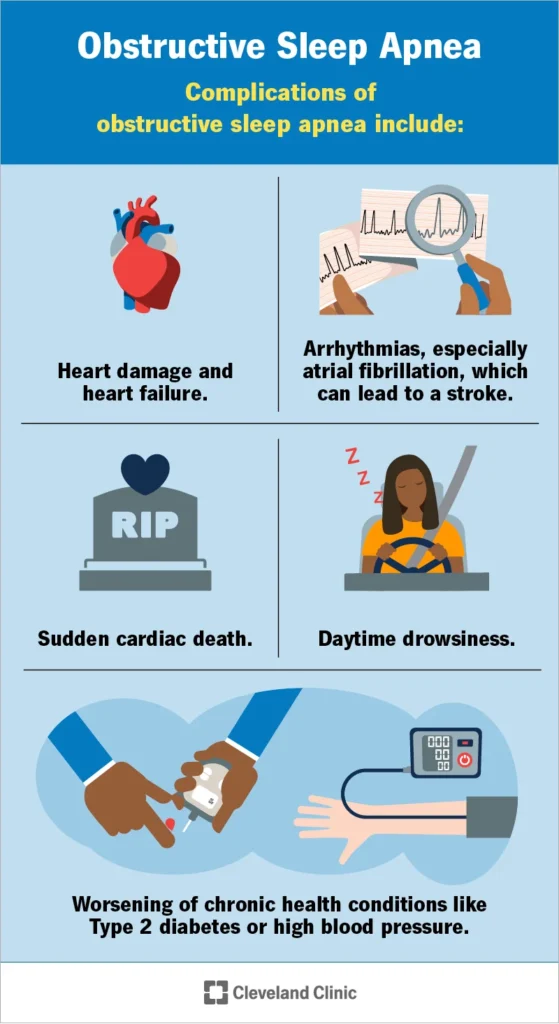
Snoring is common, and not everyone who snores has sleep apnea. Still, major medical sources describe sleep apnea as a condition tied to repeated breathing disruptions during sleep, and snoring can be one clue among others.
Pay attention to patterns, not one-off nights. If there are witnessed pauses in breathing, choking/gasping, significant daytime sleepiness, or morning headaches, it’s worth discussing with a clinician. Getting evaluated can protect your long-term health and your short-term energy.
Quick self-check: what’s happening in the morning?
- Dry mouth or sore throat
- Headaches
- Feeling unrefreshed despite enough hours
- Irritability or brain fog that feels out of proportion
What are people trying right now for snoring?
Sleep trends rotate fast. One week it’s mouth tape, the next it’s a new “connected” sleep device. Recently, there’s been renewed interest in two categories: nasal airflow aids and oral appliances.
Nasal dilators and nose-first fixes
Nasal dilators are designed to support nasal airflow. Research summaries and reviews continue to evaluate how well these devices help in sleep-disordered breathing contexts. If you want a starting point for what’s being studied and discussed, see this Clinical Effectiveness of Nasal Dilators in Sleep-Disordered Breathing: A Systematic Review and Meta-Analysis.
If you often feel stuffed up, chronic nasal or sinus issues can also affect sleep. Some recent clinical discussions look at sleep changes after sinus-related surgery, which highlights a simple point: breathing comfort matters at night.
Oral appliances and the “connected care” vibe
Oral appliances aren’t new, but they’re getting fresh attention as sleep care becomes more tech-enabled. Headlines have pointed to new trials and devices that fit into broader monitoring ecosystems. Translation: people want solutions that are practical, trackable, and easier to stick with.
When does an anti snoring mouthpiece make sense?
An anti snoring mouthpiece is usually considered when snoring may relate to how the jaw and tongue sit during sleep. If tissues relax and narrow the airway, repositioning can reduce vibration (the sound of snoring) for some sleepers.
It can be especially appealing if you’re tired of buying one more gadget that ends up in a drawer. A mouthpiece is low-tech, but it targets a common mechanical contributor to snoring.
Signs a mouthpiece may be worth trying
- Snoring is worse on your back
- You wake with a dry mouth (mouth-breathing may be part of the pattern)
- Your partner reports steady snoring rather than sudden gasps
- You want a travel-friendly option for hotel nights
What to watch for
- Jaw discomfort or tooth soreness
- Fit issues that make you remove it overnight
- Snoring that persists with choking/gasping or major daytime sleepiness
How do you choose a mouthpiece without overthinking it?
Keep your decision criteria simple: comfort, stability, and whether you’ll actually use it nightly. Many people quit because a device feels bulky or shifts during sleep.
If you want a combined approach that also supports keeping the mouth closed, consider an anti snoring mouthpiece. It’s a straightforward way to test whether positioning plus gentle support improves your nights.
Relationship tip: make it a shared experiment
Snoring solutions go better when they’re not framed as a personal flaw. Treat it like upgrading the bedroom setup. Run a two-week trial, then compare notes: fewer wake-ups, less resentment, better mornings.
What else improves sleep quality while you address snoring?
Think of snoring as one piece of sleep health. You’ll get more mileage if you also reduce the “sleep friction” that stacks up during busy seasons.
- Wind-down buffer: Even 20 minutes helps when work stress runs late.
- Alcohol timing: Many people notice louder snoring after late drinks.
- Side-sleep support: A pillow tweak can change the night.
- Nasal comfort: If you’re frequently congested, address the cause with a clinician.
FAQs
Is snoring always a sign of sleep apnea?
No. Snoring is common and can happen without sleep apnea. But loud, frequent snoring plus choking/gasping, pauses in breathing, or heavy daytime sleepiness should be checked.
Do anti-snoring mouthpieces work for everyone?
They can help some people, especially if snoring relates to jaw/tongue position. Results vary based on fit, comfort, and the cause of snoring.
What’s the difference between a mouthpiece and nasal dilators?
A mouthpiece targets jaw/tongue position to keep the airway more open. Nasal dilators aim to improve airflow through the nose. Some people try one, the other, or both depending on symptoms.
Can nasal congestion or sinus issues affect sleep quality?
Yes. When your nose feels blocked, you may breathe through your mouth more, snore more, and sleep less soundly. Persistent symptoms deserve medical attention.
When should I talk to a clinician about snoring?
If you have witnessed breathing pauses, wake up gasping, have morning headaches, high blood pressure, or significant daytime sleepiness, talk to a clinician and ask about sleep apnea evaluation.
Ready to make nights quieter?
Skip the endless trend cycle. Pick one change you can stick with, track how you feel, and escalate to medical evaluation if you see red flags.
How do anti-snoring mouthpieces work?
Medical disclaimer: This article is for general education only and isn’t medical advice. Snoring can have multiple causes, including sleep apnea. If you have breathing pauses, choking/gasping, chest pain, severe daytime sleepiness, or other concerning symptoms, seek care from a qualified clinician.