
On a red-eye flight, someone in 14B started snoring before the seatbelt sign even turned off. The cabin laughed at first. Then the jokes stopped, because nobody slept.
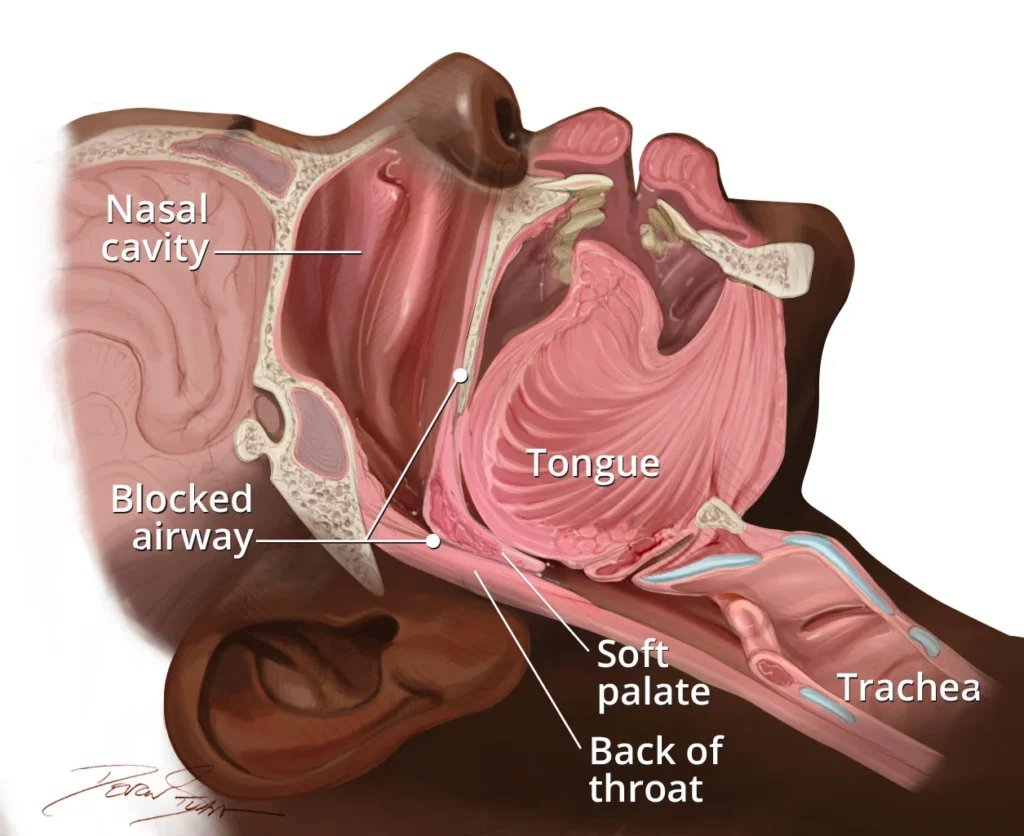
A week later, that same kind of “funny” snoring can feel a lot less funny at home. It can chip away at sleep quality, mood, and even how patient you feel at work. If you’ve noticed more chatter about sleep gadgets, quick routine “hacks,” and relationship-friendly fixes, you’re not imagining it.
The bigger picture: snoring is a sleep-quality problem, not just a sound
Snoring usually happens when airflow gets turbulent and soft tissues vibrate. That turbulence can show up for different reasons. Jaw position, tongue position, nasal congestion, alcohol, and sleep posture can all play a role.
Some snoring is “simple” and mainly bothers the room. Other snoring can overlap with sleep-disordered breathing. If you’re seeing headlines about sleep apnea symptoms and causes, that’s why. Snoring can be a clue, not a diagnosis.
There’s also growing interest in nose-focused tools. For example, a recent review discussed nasal dilators and sleep-disordered breathing in general terms. If you want to browse that conversation, see this: Clinical Effectiveness of Nasal Dilators in Sleep-Disordered Breathing: A Systematic Review and Meta-Analysis.
Why it feels so personal (and why it’s trending)
Snoring sits at the intersection of health and social life. One person can’t sleep, and the other feels blamed for something they don’t control. That’s why snoring shows up in relationship humor, travel fatigue stories, and “separate bedrooms” debates.
It also collides with burnout culture. When you’re already running on fumes, even mild sleep disruption can feel like a crisis. That’s part of why people are trying wearables, mouth tape, white noise, and structured routines like the popular “countdown” style sleep-habit hacks.
Practical steps that actually move the needle
Step 1: Do a quick snore pattern check
Before you buy anything, get specific. Ask: Is snoring worse on your back? Does it spike after alcohol? Does it show up with congestion or seasonal allergies? A simple notes app log for 7 nights helps.
If your partner can share what they notice, even better. Keep it factual. “You snored louder after the late dinner” beats “You always do this.”
Step 2: Clean up the easy sleep-quality basics
These don’t require fancy gear. They also stack well with an anti snoring mouthpiece.
- Timing: Keep caffeine and heavy meals earlier when you can.
- Alcohol: If snoring is worse after drinks, treat that as a useful data point.
- Position: Side-sleeping often reduces snoring for back-snorers.
- Nasal comfort: If you’re stuffed up, address that first. Mouth breathing can make snoring more likely.
Step 3: Consider an anti snoring mouthpiece when jaw position seems involved
An anti snoring mouthpiece (often a mandibular advancement device style) aims to gently bring the lower jaw forward. That can help keep the airway more open for some people.
This approach tends to make the most sense when snoring is posture-related, worse with deeper sleep, or paired with a slack jaw. If your main issue is nasal blockage, you may need a nose-first plan or a combined approach.
If you’re comparing options, here’s a starting point for shopping: anti snoring mouthpiece.
Tools and technique: ICI basics (Insert, Comfort, Improve)
Insert: get the fit right without forcing it
Follow the product’s fitting steps closely. A mouthpiece should feel secure, not jammed. If you have a boil-and-bite style, take your time on the mold. Small fit errors can cause big comfort problems.
Comfort: reduce soreness and “I can’t sleep with this” moments
Expect an adjustment period. Try wearing it for 20–30 minutes while reading or watching TV before bed. That lowers the “foreign object” feeling.
Jaw stiffness can happen early on. If discomfort is sharp, worsening, or affects your bite, stop and reassess. Comfort is not optional; it’s the whole game.
Improve: dial in positioning and track results
Many devices allow small adjustments. Change only one thing at a time, then give it a few nights. Use a simple snore recording app if you want objective feedback, but don’t obsess over perfect graphs.
Focus on outcomes that matter: fewer wake-ups, less dry mouth, and a partner who isn’t relocating to the couch.
Safety and smart testing (don’t skip this part)
Know the red flags
Snoring plus choking/gasping, witnessed breathing pauses, or severe daytime sleepiness deserves medical evaluation. Those can be signs of obstructive sleep apnea. A mouthpiece may still be part of a plan, but you want the right diagnosis first.
Be cautious if you have dental or jaw issues
If you have TMJ pain, loose teeth, significant dental work, or gum disease, talk with a dental professional before using a jaw-advancing device. Mouthpieces apply forces to teeth and the jaw. That’s why fit and tolerance matter.
Cleanup and upkeep: keep it simple and consistent
Rinse after each use and clean as directed. Let it fully dry. Replace it on schedule if the material degrades, warps, or starts to smell despite cleaning.
Medical disclaimer: This article is for general education and is not medical advice. It does not diagnose or treat any condition. If you suspect sleep apnea or have concerning symptoms, seek evaluation from a qualified clinician.
Next step: make your plan easy to follow
If you want a quieter night without turning bedtime into a science project, start with one change and test it for a week. If jaw position seems like the main driver, a mouthpiece is a practical tool to try.