
Snoring is having a moment. Between sleep trackers, viral bedtime “hacks,” and travel fatigue, a loud night can feel like one more thing to manage.
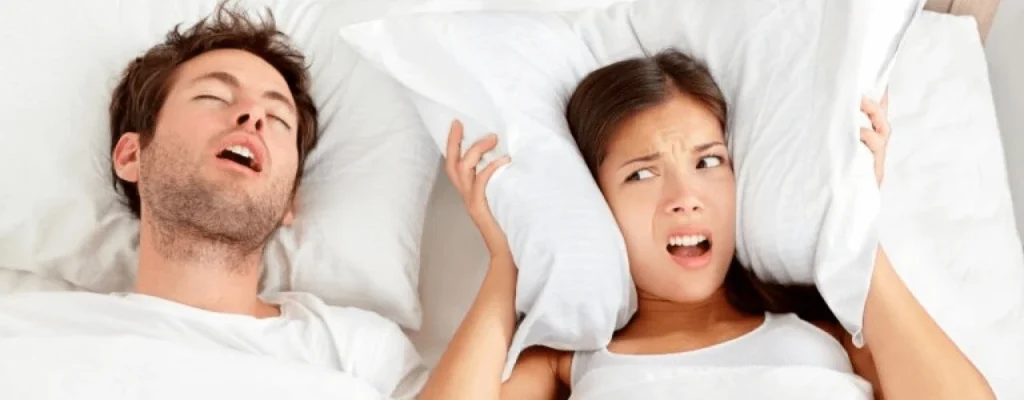
If your partner jokes about “sleeping in another time zone,” it stops being funny fast. The good news: you can take a practical next step without turning your bedroom into a lab.
Thesis: Use a simple if-then decision guide to match snoring causes to the right tool—especially an anti snoring mouthpiece—while protecting sleep quality and health.
A quick reality check: snoring isn’t just noise
Snoring often comes from airflow getting turbulent as tissues relax. That can happen with nasal congestion, back sleeping, alcohol close to bedtime, or jaw and tongue position.
Sometimes, snoring overlaps with sleep apnea risk. If you’ve seen recent health coverage on sleep apnea symptoms and causes, you’ve probably noticed the same theme: pay attention to breathing pauses, choking/gasping, and daytime sleepiness.
Another trend in the headlines: lifestyle changes. You may see discussion around How Weight Loss Can Help Your Sleep Apnea. Weight can be one factor for some people, but it’s not the only one. Don’t let “one-size-fits-all” advice delay a solution you can try tonight.
Your if-then decision guide (no drama, just steps)
Use the branches below to pick a next move. You can combine options, but start with the most likely driver.
If snoring is worse on your back, then try positioning first (and consider a mouthpiece)
Back sleeping can let the jaw and tongue drift backward. That narrows the airway and makes vibration easier.
Try: side-sleeping support (pillow, backpack trick, or body pillow). If you still snore, an anti snoring mouthpiece may help by guiding the lower jaw forward to keep the airway more open.
If you wake up with a dry mouth, then look at mouth-breathing and jaw drop
Many people “leak air” through an open mouth at night, especially during allergies, colds, or after a long travel day. That can amplify sound and fragment sleep.
Try: a mouthpiece paired with gentle support that discourages jaw drop. A combo approach is popular for a reason: it targets positioning, not just noise.
Consider a anti snoring mouthpiece if mouth opening seems to be your main pattern.
If you’re chasing sleep gadgets, then anchor the basics before you buy another tracker
Sleep tech is everywhere right now, and it can be motivating. Still, the best “device” is the one you’ll actually use consistently.
Try: a simple wind-down routine and a stable wake time. Many people are talking about countdown-style routines (like popular “hack” frameworks) because they’re easy to remember. Keep it realistic: reduce late caffeine, dim lights, and avoid heavy meals close to bedtime.
If snoring persists even with good sleep hygiene, that’s a sign the issue may be mechanical. A mouthpiece can be the more direct lever.
If work burnout is wrecking sleep, then separate stress sleep from snore sleep
Stress can make sleep lighter, which makes you notice every sound more. It can also increase clenching, which affects jaw comfort with oral devices.
Try: pick one change for stress (short walk after dinner, a “shutdown” list, or a 5-minute breathing routine). Then pick one snoring tool (positioning or mouthpiece). This two-track approach prevents you from blaming the wrong thing.
If you suspect sleep apnea, then don’t self-manage it with gadgets alone
Snoring plus loud gasps, witnessed breathing pauses, morning headaches, or severe daytime sleepiness should raise the bar. Mouthpieces can be useful for some people, but suspected apnea deserves a proper medical conversation.
Do this next: document symptoms for a week (bedtime, wake time, naps, alcohol, snoring notes). Bring that to a clinician or sleep specialist.
Mouthpiece technique: ICI basics (fit, comfort, positioning)
Most frustration comes from skipping the “how” part. Think ICI: Insert, Comfort, Improve.
Insert: get the fit stable
A mouthpiece should feel secure without forcing your jaw. If it slides, you’ll wake up and blame the device instead of the fit.
Comfort: protect your jaw and gums
Expect an adjustment period. Mild awareness is common early on, but sharp pain is not. If you have dental work, gum sensitivity, or TMJ history, go slower and consider professional input.
Improve: small positioning changes beat aggressive ones
More forward is not always better. Aim for the minimum change that reduces snoring. That helps comfort and makes long-term use more realistic.
Cleanup and care (because smell is a relationship issue too)
Rinse after each use. Brush gently with mild soap, then air-dry.
Avoid hot water and harsh cleaners unless the manufacturer says they’re safe. Warping ruins fit, and bad fit ruins sleep.
When to get help sooner (not later)
- Breathing pauses, choking/gasping, or severe daytime sleepiness
- New jaw locking, bite changes, or persistent tooth pain
- Snoring that starts suddenly with other symptoms (fever, swelling, severe congestion)
FAQ: quick answers people ask before buying
Will a mouthpiece fix snoring from congestion?
It may help a little, but congestion is often better addressed by improving nasal breathing and sleeping position.
Is louder snoring always “worse”?
Not always, but louder snoring plus daytime symptoms is a stronger reason to screen for sleep apnea.
Can I use a mouthpiece if I grind my teeth?
Sometimes. Grinding can affect comfort and wear. If you grind heavily, ask a dental professional which style is safest.
CTA: pick the simplest next step tonight
If your pattern sounds like jaw drop or back-sleep snoring, a mouthpiece-focused approach is a practical place to start.
How do anti-snoring mouthpieces work?
Medical disclaimer: This article is for general education and is not medical advice. Snoring can be a sign of a sleep-related breathing disorder. If you suspect sleep apnea or have severe symptoms, talk with a qualified clinician.