
Five rapid-fire takeaways:
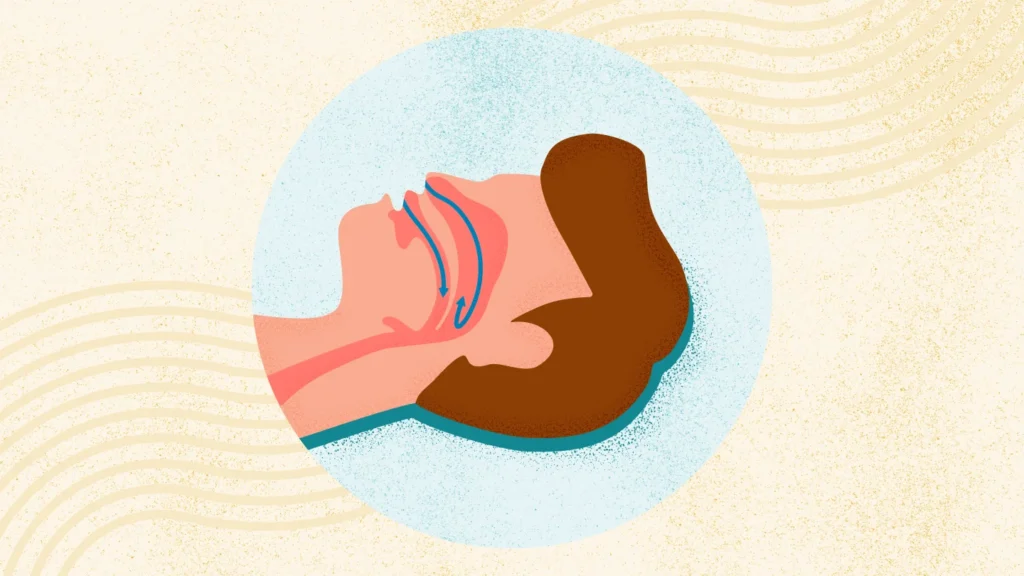
- Snoring is trending again because people are tired, traveling more, and buying sleep gadgets like they’re phone upgrades.
- Sleep quality is the real target. Less noise is nice, but better mornings matter more.
- An anti snoring mouthpiece can be a practical next step when snoring is positional or airway-related, but it’s not a fit for everyone.
- Screen first. Some snoring overlaps with sleep apnea, and that changes the risk and the plan.
- Document what you tried and what happened. It reduces wasted money, frustration, and “it didn’t work” ambiguity.
Overview: why snoring is suddenly everyone’s problem
Snoring jokes never go out of style, but the stakes feel higher right now. People are dealing with workplace burnout, doomscrolling at midnight, and travel fatigue that wrecks routines. Add a partner who’s one bad night away from moving to the couch, and snoring becomes a household project.
At the same time, sleep health has become a gadget category. Rings, watches, bedside trackers, and “smart” everything are pushing the idea of connected care. Recent industry chatter has also highlighted oral appliances being studied in more integrated, data-driven setups, including an January JADA outlines emerging dental therapies for obstructive sleep apnea. Translation: mouthpieces aren’t just “old-school plastic” anymore in the public conversation.
Timing: when to try a mouthpiece vs. when to get checked
Use timing as a filter. If snoring is new, suddenly worse, or paired with daytime symptoms, don’t treat it like a quirky habit. Treat it like a signal.
Try a mouthpiece sooner if:
- Snoring is mostly a partner complaint, and you otherwise feel okay during the day.
- Snoring is worse on your back or after alcohol.
- You want a non-surgical, non-medication option to test.
Pause and consider medical screening if you notice:
- Choking, gasping, or breathing pauses during sleep (reported by a partner).
- Morning headaches, dry mouth, or unrefreshing sleep most days.
- Excessive daytime sleepiness, mood changes, or concentration problems.
- High blood pressure or heart concerns in your history (snoring can overlap with sleep apnea, which has broader health links).
Major medical sites and hospital systems commonly emphasize that sleep apnea can present with loud snoring and daytime fatigue. If those red flags show up, a clinician can help you choose the safest next step.
Supplies: what you need to run a clean, low-drama trial
This is the part most people skip. Skipping it is how you end up with a sore jaw, a gross device, and no clear answer.
- A mouthpiece you can identify and replace. Avoid mystery materials and no-name packaging.
- A simple tracking method. Notes app, spreadsheet, or a sleep app that records snoring.
- Basic hygiene tools. A case, a soft brush, and whatever cleaning method the product recommends.
- A partner agreement (optional but powerful). One rating each morning: “quiet / medium / loud” plus “did I wake up?”
If you’re comparing options, start here: anti snoring mouthpiece.
Step-by-step (ICI): Identify → Check → Iterate
Think of this as a short experiment. You’re not trying to be heroic. You’re trying to be clear.
1) Identify your likely snoring pattern
- Positional: worse on your back, better on your side.
- Congestion-driven: worse with allergies, colds, or dry air.
- Schedule-driven: worse after late meals, alcohol, or travel days.
This matters because mouthpieces tend to be a better “first test” when the issue looks mechanical and repeatable.
2) Check safety and fit risks before night one
- Jaw/TMJ history: clicking, locking, or frequent jaw pain raises the risk of discomfort.
- Dental stability: loose teeth, active gum issues, or major dental work in progress should be discussed with a dentist.
- Breathing red flags: if apnea symptoms are likely, prioritize evaluation over DIY escalation.
Documentation tip: write down your baseline for 3 nights (snoring rating, wake-ups, morning feel). That baseline protects you from placebo math.
3) Iterate for 7–14 nights, then decide
- Nights 1–3: focus on comfort and tolerance. Stop if you have sharp pain.
- Nights 4–7: track snoring trend and morning symptoms. Look for consistent improvement, not one “perfect” night.
- Week 2: decide based on data. If it helps but hurts, that’s not a win. If it helps and feels fine, keep going.
Connected sleep culture can help here. Even a basic snore recording can turn a relationship argument into a shared scoreboard.
Mistakes that waste money (and create avoidable risk)
Buying based on hype instead of fit and screening
Sleep trends move fast. A device being popular doesn’t mean it’s appropriate for your mouth, jaw, or symptoms.
Ignoring pain signals
Discomfort is common early on. Pain that persists, worsens, or changes your bite is a stop sign. Don’t “push through” to prove it works.
Not cleaning or storing it correctly
This is a health item that sits in a warm, moist environment. Treat it like a toothbrush, not like a phone charger.
Changing five variables at once
If you start a mouthpiece, new pillow, mouth tape, magnesium, and a new bedtime in the same week, you won’t know what helped. Run a cleaner test.
FAQ: quick answers people want before they commit
Is snoring just annoying, or can it be a health issue?
It can be either. Simple snoring is common, but snoring can also overlap with sleep apnea and broader health concerns. If you have red flags, get checked.
Will a mouthpiece fix my sleep quality?
It can help if snoring is disrupting sleep. Sleep quality also depends on schedule, stress, alcohol, and nasal breathing, so think “tool,” not “magic.”
What if my partner says I stopped snoring but I still feel tired?
That’s useful information. It suggests noise wasn’t the only problem. Consider sleep duration, insomnia, stress, or possible sleep-disordered breathing.
Can I use a mouthpiece when traveling?
Many people do because hotels amplify snoring drama. Keep a case, clean it consistently, and don’t start a brand-new device on the first night of a big trip.
CTA: make the next step simple
If snoring is hurting your sleep, your relationship, or your workday focus, run a short, documented trial instead of guessing for months. Start with a product page that lays out the category clearly, then choose the safest option for your situation.
How do anti-snoring mouthpieces work?
Medical disclaimer: This article is for general education only and is not medical advice. Snoring can be a symptom of obstructive sleep apnea or other conditions. If you have choking/gasping, breathing pauses, significant daytime sleepiness, chest pain, or concerns about your heart or blood pressure, seek evaluation from a qualified clinician.