
- Snoring is a sleep-quality problem, not just a noise problem. It fragments rest for the snorer and anyone nearby.
- Gadgets are trending, but basics still win. A mouthpiece works best when your routine supports it.
- Comfort decides success. Fit, jaw position, and a realistic break-in period matter more than hype.
- Positioning is a power move. Back-sleeping, travel fatigue, and late drinks can make snoring louder.
- Know the red flags. Snoring plus choking/gasping, high daytime sleepiness, or morning headaches deserves a medical check.
The big picture: why snoring feels louder lately
Sleep is having a moment. People are comparing sleep scores, buying new trackers, and swapping “high performer” bedtime routines like they’re productivity hacks.
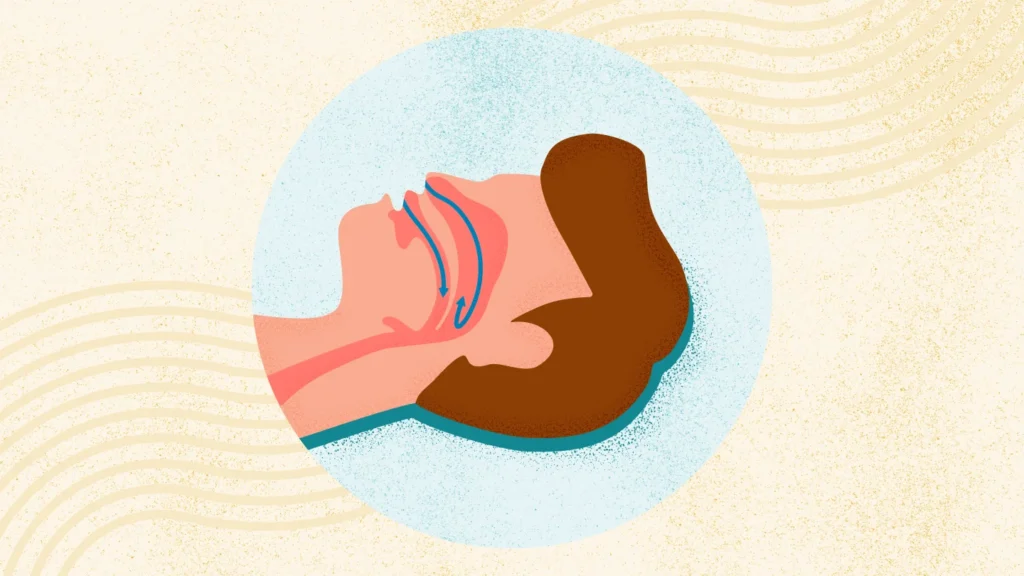
At the same time, real life is messy. Travel fatigue, irregular schedules, and workplace burnout can push sleep quality downhill. Snoring often shows up right there, when your body is stressed and your routine is inconsistent.
There’s also more public talk about snoring and sleep-disordered breathing. Industry and dental conversations continue to spotlight how airway-focused therapies are evolving. That’s helpful, but it can also make shopping feel overwhelming.
If your goal is less snoring and better sleep, keep the plan simple: reduce airway collapse risk, improve sleep continuity, and pick tools you can actually tolerate.
A quick reality check on “sleep success habits”
You’ll see headlines about a handful of sleep hygiene habits that supposedly help you sleep longer after just one night. The spirit is right: small changes can help quickly.
But snoring isn’t only about willpower. It’s mechanics plus lifestyle. That’s why an anti snoring mouthpiece can be a useful tool when it matches your anatomy and you use it consistently.
The emotional side: snoring, relationships, and the 2 a.m. negotiation
Snoring is a weird mix of funny and exhausting. Couples joke about it until nobody is laughing, because one person is on the couch and the other is defensive.
If that’s you, aim for teamwork. Frame it as “Let’s protect both of our sleep,” not “You’re the problem.” Better sleep improves mood, patience, and even how you handle stress at work the next day.
Also: don’t ignore your own frustration. Chronic broken sleep can make everything feel harder. Fixing snoring is often a quality-of-life upgrade for the whole household.
Practical steps: a mouthpiece-first plan that’s actually doable
Think of this as tools plus technique. You’re trying to keep the airway more open and reduce vibration. The best plan is the one you’ll stick with.
Step 1: Start with positioning (it’s the low-cost win)
Many people snore more on their back. If you notice that pattern, side-sleeping is worth a real attempt.
Try a pillow setup that keeps your head and neck neutral. If travel is your trigger, recreate your home setup as much as you can. A different mattress and a late flight can be enough to change your breathing.
Step 2: Pair your mouthpiece with a simple “ICI” checklist
When people quit a mouthpiece, it’s usually not because it “did nothing.” It’s because it felt annoying. Use this ICI framework:
- Insertion: Put it in the same way every night. Don’t rush it. A consistent seat reduces irritation.
- Comfort: Expect an adjustment period. If it feels aggressively tight, that’s a sign to reassess fit and design.
- Integrity: Keep it clean and undamaged. Rough edges, warping, or buildup can sabotage comfort.
Step 3: Know what an anti snoring mouthpiece is trying to do
Most anti-snoring mouthpieces aim to improve airflow by supporting jaw or tongue position so soft tissues are less likely to collapse and vibrate.
That’s why mouthpieces often help most when snoring is tied to mouth breathing, jaw position, or back-sleeping. If your snoring is mainly nasal congestion, you may need to address that piece too.
Step 4: Make “cleanup” frictionless
People abandon devices that add chores. Keep your cleaning routine short:
- Rinse after use.
- Wash gently with mild soap and cool water.
- Air-dry fully before storing.
Avoid harsh heat, which can deform some materials. If you’re unsure, follow the manufacturer’s care instructions.
Safety and testing: what to watch before you commit
Snoring can be simple, or it can be a sign that breathing is repeatedly disturbed during sleep. New discussions in sleep medicine and dental circles continue to emphasize better screening and therapy options for obstructive sleep apnea and related issues.
Try a short, structured test window
Give your mouthpiece a fair trial, but don’t “power through” bad symptoms. Track a few basics for 7–14 nights:
- Snoring intensity (partner feedback helps).
- Morning jaw comfort.
- Night awakenings.
- Daytime sleepiness.
If you use a sleep tracker, treat the score as a clue, not a verdict. Focus on how you feel and whether snoring is improving.
Red flags that should not be ignored
- Gasping, choking, or witnessed breathing pauses during sleep.
- Severe daytime sleepiness or dozing while driving.
- Morning headaches, high blood pressure concerns, or worsening mood.
- Significant jaw pain, tooth pain, or bite changes with a device.
If any of these apply, talk with a clinician. A mouthpiece can still be part of the solution, but you’ll want the right evaluation first.
Where to read more on sleep hygiene and snoring discussions
For a general overview of popular sleep-habit themes people are talking about, see 5 key sleep hygiene habits of highly successful people — and how they help you sleep for longer after just one night.
FAQ
Can an anti snoring mouthpiece help right away?
Some people notice changes fast, especially if snoring is position-related. Comfort and consistency still matter, so expect a short adjustment period.
What if I wake up with jaw pain?
Light stiffness can happen early on. Stop using it if pain is sharp, worsening, or lasts into the day, and consider dental guidance.
Is snoring always a sleep apnea problem?
No. Snoring can be related to sleep position, alcohol, congestion, or anatomy. Snoring with choking/gasping or major daytime sleepiness needs medical evaluation.
Do mouthpieces work better than nose strips?
They solve different problems. Strips focus on nasal airflow, while many mouthpieces focus on jaw/tongue positioning and airway stability.
How do I clean a mouthpiece?
Rinse and wash gently with mild soap and cool water, then air-dry. Keep it in a ventilated case and replace it if it degrades.
Next step: choose a tool you’ll actually use
If you want a simple option that pairs mouth support with added stabilization, consider an anti snoring mouthpiece. It’s designed for people who want help keeping their mouth positioned consistently through the night.
How do anti-snoring mouthpieces work?
Medical disclaimer: This article is for general education only and isn’t medical advice. Snoring can have multiple causes. If you have symptoms like choking/gasping, witnessed breathing pauses, severe daytime sleepiness, or persistent jaw/tooth pain with a device, seek evaluation from a qualified healthcare professional.