
Is your snoring actually hurting your sleep quality? Possibly—and not just yours.
Should you try a gadget, a strip, or an anti snoring mouthpiece? It depends on what’s causing the noise.
Is it “just snoring,” or could it be something bigger? Sometimes snoring is a red flag, so it’s worth sorting out.
Sleep is having a moment. People are buying sleep trackers, testing “viral” fixes, and joking about separate bedrooms like it’s a relationship upgrade. Add travel fatigue, packed calendars, and workplace burnout, and you get a perfect storm: everyone wants quiet, deeper sleep—fast.
This guide keeps it simple. You’ll use “if…then…” branches to pick a realistic next step, with an emphasis on comfort, positioning, and cleanup.
Start here: what snoring usually means
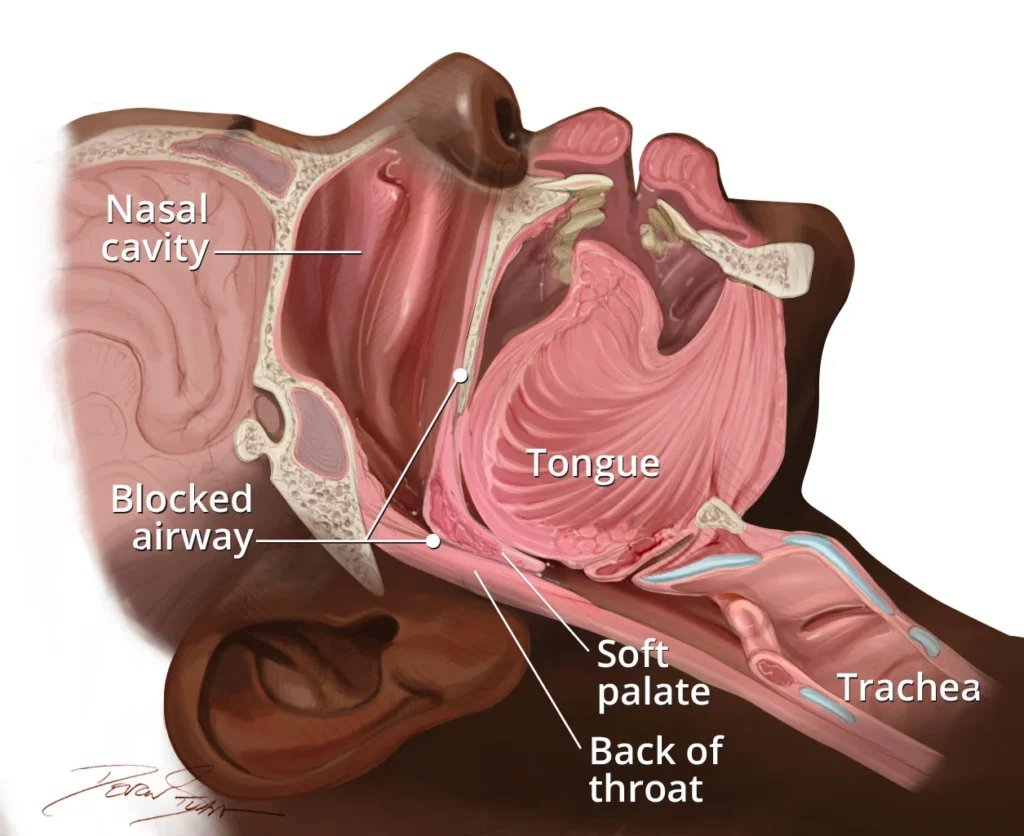
Snoring happens when airflow meets soft tissue that vibrates. Nasal blockage, mouth breathing, tongue position, and jaw relaxation can all play a role. So can alcohol, sleep position, and inconsistent sleep schedules.
Also: loud snoring can overlap with sleep-disordered breathing. If you suspect sleep apnea, don’t self-experiment for months.
Your decision guide (If…then…)
If your nose feels blocked at night, then start with nasal airflow
If you regularly wake up dry-mouthed or you can’t breathe well through your nose, you may be defaulting to mouth breathing. That can make snoring more likely.
Then consider simple nasal-support options (like strips or nasal dilators) and basic congestion management. Recent reviews and roundups have pushed nasal strips back into the spotlight, and there’s also ongoing research interest in nasal dilators for sleep-disordered breathing. Results vary by person, but nasal airflow is a reasonable first checkpoint.
If nasal support helps a little but snoring still breaks through, move to the next branch.
If you snore most on your back, then prioritize positioning before buying more gear
Back-sleeping often lets the jaw and tongue fall backward. That narrows the airway and can turn “light snoring” into a full-volume performance.
Then try a position change strategy for a week: side-sleeping support pillow, a backpack-style reminder, or a bed setup that keeps your head and neck neutral. Keep it comfortable. If it’s annoying, you won’t stick with it.
If you can’t stay on your side, or your partner says you roll back and start up again, a mouthpiece may be a better lever.
If your jaw drops open or you wake up with a dry mouth, then consider a mouthpiece (and possibly a chinstrap)
When the jaw relaxes and falls open, the tongue can follow. That’s a common pathway to snoring, especially during deeper sleep.
Then an anti snoring mouthpiece may help by encouraging a more forward jaw/tongue position and keeping the airway more open. Some people pair a mouthpiece with a chinstrap to reduce mouth opening and improve consistency.
Want a streamlined option? Check a anti snoring mouthpiece that’s designed to work together.
If you’re tempted by mouth taping because it’s trending, then pause and think safety
Mouth taping gets talked about like a life hack. It can sound appealing if you’re chasing nasal breathing or fewer midnight wakeups.
Then take a step back. If you have nasal blockage, allergies, or any chance of sleep apnea, taping can be risky or simply miserable. If you’re not sure what’s driving your snoring, choose a lower-risk path first (nasal support, positioning, or a properly designed mouthpiece).
If snoring comes with daytime exhaustion, gasping, or witnessed pauses, then skip the gadgets and get checked
Snoring plus breathing pauses, choking/gasping, morning headaches, or heavy daytime sleepiness can signal obstructive sleep apnea. That needs medical evaluation, not guesswork.
Then read up on Reviewers Who’ve Struggled With ‘Decades’ Of Congestion Say These Nasal Strips Drastically Improve Breathing and book an appointment with a clinician or sleep specialist.
How to make an anti-snoring mouthpiece more comfortable (ICI basics)
Most mouthpiece failures aren’t about willpower. They’re about comfort, fit, and bad routines. Use this ICI checklist:
I = Improve fit (don’t “tough it out”)
A mouthpiece should feel snug, not painful. If you’re using a moldable style, follow the instructions closely. Remold if needed. If you wake up with sharp jaw pain, stop and reassess.
C = Check positioning (jaw, tongue, and sleep posture)
A mouthpiece can help, but your sleep posture still matters. Many people do best combining a mouthpiece with side-sleeping support. If your mouth falls open, a chinstrap may improve consistency.
I = Invest in cleanup (two minutes that protects comfort)
Gunk and odor are fast ways to quit. Rinse after use, brush gently with mild soap, and let it fully air-dry. Store it in a ventilated case. Replace it when it shows wear, warping, or persistent odor.
Where airway health fits in (yes, even early in life)
Recent dental conversations have highlighted airway health in kids, which reflects a broader trend: people are connecting breathing, sleep, and daytime function. For adults, that same theme shows up as “Why am I tired even after eight hours?” or “Why do I snore more when I travel?”
You don’t need to solve everything at once. Start with the most likely driver—nose, position, or jaw/tongue—and track what changes.
FAQ (quick answers)
- Do anti-snoring mouthpieces work for everyone?
No. They’re a strong option for many habitual snorers, but they’re not universal and they don’t replace evaluation for sleep apnea. - What’s the difference between a mouthpiece and nasal strips?
Mouthpieces target jaw/tongue position. Strips focus on nasal airflow and may help if congestion is the main issue. - Is mouth taping safe?
It’s not a fit for everyone. If you might have nasal blockage or sleep apnea, avoid it and talk with a clinician. - How long to adapt?
Give it multiple nights. Comfort improves when fit and positioning are dialed in. - How do I clean it?
Rinse, gently brush, air-dry. Avoid heat unless the manufacturer says it’s okay.
Next step: choose one change you can stick with
If you want a practical, paired approach for jaw position and mouth closure, consider starting with a combo solution and commit to a 2-week trial with consistent cleanup and side-sleep support.
How do anti-snoring mouthpieces work?
Medical disclaimer: This article is for general education and is not medical advice. Snoring can be a sign of obstructive sleep apnea or other health conditions. If you have choking/gasping, breathing pauses, significant daytime sleepiness, or other concerning symptoms, seek evaluation from a qualified clinician.