
Snoring is rarely just “noise.” It’s a sleep-quality tax that hits energy, mood, and patience.
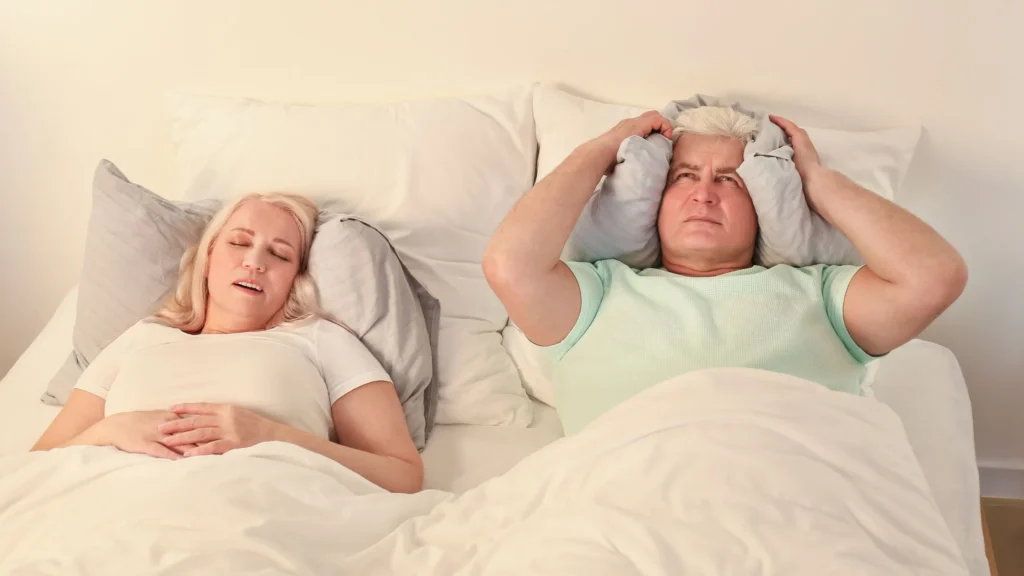
And lately, a lot of people are connecting the dots between late-night scrolling, burnout, travel fatigue, and the kind of restless sleep that makes snoring worse.
Thesis: Use an if-then decision guide to pick a safer anti snoring mouthpiece path, protect your sleep, and know when to screen for something bigger.
Why snoring feels louder right now (and why you feel it more)
Sleep has become a “performance category.” People track it, optimize it, and buy gadgets for it. At the same time, work stress and always-on phones make it easier to shave off hours without noticing.
That mix matters because short sleep and irregular sleep can make the next night feel worse. Add travel time zones or a few nights of burnout, and your partner may start joking about “separate bedrooms.” The joke gets old fast.
Quick safety check: snoring vs. possible sleep apnea
Snoring can be simple vibration from relaxed tissues. It can also show up with obstructive sleep apnea, where airflow is repeatedly reduced or blocked during sleep.
If you’ve seen headlines about better screening and new dental approaches, that’s because the field keeps evolving. Still, the safest move is basic triage before you shop.
- If snoring is loud and constant, then don’t assume it’s “normal.”
- If someone notices breathing pauses, choking, or gasping, then prioritize a medical evaluation.
- If you wake with headaches or feel sleepy despite “enough” time in bed, then treat that as a red flag.
For a plain-language overview, see “Don’t lose three hours by endlessly scrolling through social media,” 5 key sleep hygiene habits of highly successful people and how they help you sleep for longer after just one night. It can help you decide whether to self-try a snoring aid or get screened first.
Decision guide: if…then choose your mouthpiece path
If your snoring is positional (mostly on your back), then start with alignment
Back-sleeping often lets the jaw and tongue drift in a way that narrows airflow. In that case, tools that support jaw position can be a reasonable first step.
Document your baseline. Before night one, note how often your partner nudges you, how you feel at wake-up, and whether you’re mouth-breathing. This protects you from “wishful improvement.”
If your partner says the sound is “through the wall,” then prioritize stability
When snoring is intense, people tend to buy three gadgets at once. That usually creates confusion and inconsistent use.
A more controlled approach is to pick one option and test it for a set window. Consider a combined setup if you suspect jaw drop plus mouth opening are part of the pattern. A anti snoring mouthpiece is one way some sleepers try to keep things more consistent night to night.
If you wake with a dry mouth, then address mouth breathing (without overcomplicating it)
Dry mouth can come from mouth breathing, room dryness, congestion, or alcohol close to bedtime. It can also make you more likely to quit a mouthpiece early due to discomfort.
- Then keep the bedroom slightly cooler and aim for steady humidity.
- Then avoid alcohol right before bed if you notice it worsens snoring.
- Then focus on comfort and fit so you actually wear the device.
If your jaw already clicks or aches, then don’t “power through” pain
An anti snoring mouthpiece can change how your jaw sits during sleep. Mild adjustment can happen, but pain is a stop sign.
Then pause use and consider dental guidance, especially if you have TMJ symptoms, loose teeth, crowns/bridges you worry about, or ongoing gum issues. This also reduces risk and creates a cleaner paper trail of responsible choices.
If you’re chasing better sleep quality, then fix the “scroll tax” first
People lose hours to endless feeds. The result is a shorter sleep window and a wired brain at bedtime.
- Then set a hard “phone down” time that you can keep most nights.
- Then keep wake time steady, even after a rough night.
- Then treat naps like caffeine: useful, but easy to overdo.
These habits won’t replace the right snoring tool, but they make any solution more likely to work.
How to run a low-drama 14-night test (and avoid gadget regret)
Snoring fixes fail when people change too many variables. Run this like a simple experiment.
- Pick one primary change. Example: mouthpiece (not mouthpiece + new pillow + new app).
- Track three markers. Noise reports, morning energy, and wake-ups.
- Watch for safety signals. Jaw pain, tooth pain, numbness, or bite changes mean stop and reassess.
- Decide with evidence. If it’s not helping, don’t keep buying “one more thing.”
FAQ: quick answers people are searching right now
Are mouthpieces “proven”?
Some people get meaningful relief, especially with certain snoring patterns. Results vary because snoring has different causes.
Can I use an anti snoring mouthpiece if I’m congested?
You can try, but congestion can reduce comfort and results. If congestion is frequent, address that pattern and consider medical input.
Should I record myself sleeping?
A simple audio clip can help you compare before and after. Don’t treat it as a diagnosis tool.
Next step: choose one path and protect your sleep
You don’t need a nightstand full of sleep tech to get traction. You need a clear plan, a short trial window, and a safety-first mindset.
How do anti-snoring mouthpieces work?
Medical disclaimer: This article is for general education and is not medical advice. Snoring can be a sign of obstructive sleep apnea or other health conditions. If you have choking/gasping, witnessed breathing pauses, severe daytime sleepiness, chest pain, or concerns about your breathing during sleep, seek evaluation from a qualified clinician.