
Myth: Snoring is just an annoying sound.
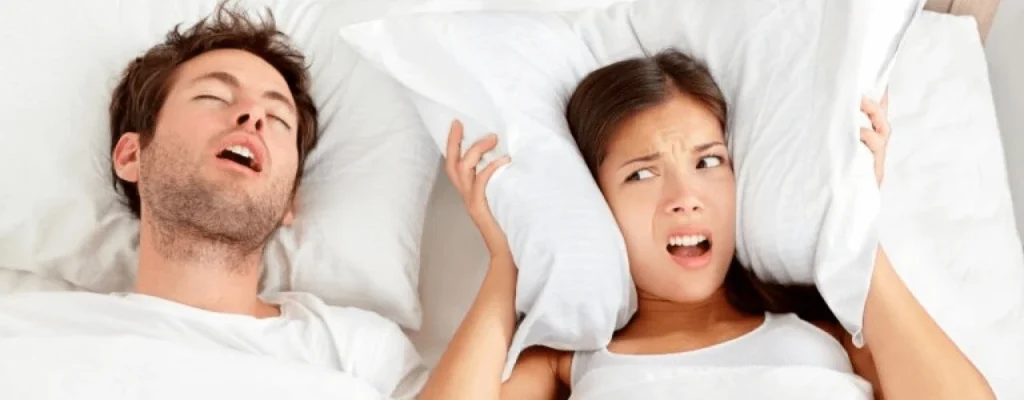
Reality: Snoring often steals sleep quality from two people at once. It can turn bedtime into a negotiation, especially when stress and burnout are already high.
Right now, sleep is having a moment. People are buying gadgets, trying “quick fixes,” and joking online about separate bedrooms. Under the humor is a real problem: fragmented sleep shows up at work, at the gym, and in your patience.
Big picture: why snoring feels louder lately
Modern sleep enemies stack up. Late-night scrolling can quietly wipe out hours, even when you planned to go to bed “on time.” Travel fatigue makes it worse, too. One red-eye flight or a hotel pillow can turn mild snoring into a nightly event.
At the same time, snoring solutions are everywhere. Nasal strips, dilators, smart rings, special pillows, mouth tape, white-noise machines. The trend is clear: people want measurable sleep, fast.
The relationship pressure nobody wants to say out loud
Snoring rarely stays “just my problem.” It becomes a couple problem. The non-snorer starts bracing for the night. The snorer feels embarrassed, defensive, or guilty.
That emotional load matters. When you’re tired, communication gets sharp. Small issues feel personal. A simple plan beats another 2 a.m. argument.
Practical steps: a no-drama plan for better sleep
Step 1: Do a quick snore audit (2 minutes)
- When is it worst? After alcohol, on your back, during allergy season, after travel, or when you’re overtired?
- What does it sound like? Light fluttering vs loud, irregular snorts can hint at different causes.
- Who’s losing sleep? If your partner is awake for long stretches, treat it like a shared health goal.
Step 2: Clean up the “sleep thieves” first
You don’t need a perfect routine. You need fewer obvious triggers.
- Stop the scroll spiral. Set a hard cutoff and charge your phone away from the bed.
- Protect the wind-down. Dim lights, cooler room, consistent wake time.
- Watch late alcohol. It can relax airway muscles and worsen snoring for many people.
- Try side-sleeping support. Body pillow or positional strategy can reduce back-sleep snoring.
Step 3: Match the tool to the likely cause
Snoring often comes from airflow turbulence and soft tissue vibration. The “best” product depends on what’s driving it.
- Nasal-focused options (strips or dilators) can help when congestion or narrow nasal passages are a big factor. A recent systematic review has evaluated nasal dilators in sleep-disordered breathing, but results can vary by person and by the root cause.
- Jaw/tongue-position options are where an anti snoring mouthpiece can fit. These devices aim to support the jaw and help keep the airway more open during sleep.
- Habit + device combo is often the realistic win. Think: reduce triggers, then add the tool that targets your pattern.
Where an anti snoring mouthpiece fits (and who tends to like it)
If your snoring is worse on your back, or your partner describes it as “mouth-open snoring,” a mouthpiece approach may be worth testing. It’s also appealing if you want something simple and non-electronic. Not everyone wants another app tracking their night.
If you’re comparing options, an anti snoring mouthpiece is designed to address jaw position and mouth opening together. That matters because mouth breathing can amplify noise and dryness.
Safety and testing: don’t guess when the stakes are higher
Red flags to take seriously
Snoring can overlap with obstructive sleep apnea. If you notice choking/gasping, witnessed breathing pauses, morning headaches, or heavy daytime sleepiness, talk to a clinician. For an overview, see this resource on “Don’t lose three hours by endlessly scrolling through social media,” 5 key sleep hygiene habits of highly successful people and how they help you sleep for longer after just one night.
How to trial a mouthpiece without overthinking it
- Set a 14-night test window. One night is noise. Two weeks gives you a pattern.
- Track two numbers: partner wake-ups and your morning energy.
- Expect an adjustment period. Mild drooling or awareness can happen early on.
- Stop if pain persists. Jaw pain, tooth pain, or bite changes that don’t settle need professional input.
Quick FAQ
What if I only snore when I’m exhausted?
That’s common. Sleep deprivation can reduce muscle tone and make snoring more likely. Fixing the schedule can reduce the baseline problem.
Are nasal strips “better” than a mouthpiece?
Not universally. Nasal aids target nasal airflow. Mouthpieces target jaw/tongue position. Your snoring pattern decides what’s more useful.
Does airway health matter for kids, too?
Yes. Dentists and airway-focused clinicians often discuss early habits like mouth breathing and how they may relate to sleep and development. If a child snores regularly, it’s worth raising with a pediatric clinician.
CTA: make tonight easier on both of you
If snoring is turning sleep into a nightly conflict, pick a simple plan: reduce the obvious triggers, then test one targeted tool. If you want a jaw-and-mouth support option, consider starting with a combo approach.
How do anti-snoring mouthpieces work?
Medical disclaimer: This article is for general education and does not provide medical advice, diagnosis, or treatment. If you suspect sleep apnea or have persistent symptoms, consult a qualified clinician or dentist.