
Snoring is having a moment. Not the fun kind.
Between sleep trackers, “recovery” scores, and travel fatigue, a loud night can feel like it ruins your whole week.
If you want a practical place to start, an anti snoring mouthpiece is one of the most talked-about, low-friction tools—when you match it to the right kind of snore.
The quick overview: why snoring is trending again
People are comparing sleep gadgets like they compare headphones. Apps promise insights. Wearables grade you. Then your partner says the real metric is whether they slept.
That mix of relationship humor and workplace burnout is pushing more people to look for simple fixes. Mouthpieces keep popping up in reviews and consumer-style roundups because they’re accessible and don’t require charging.
Snoring can be harmless, but it can also signal something bigger. If you suspect sleep apnea, treat that as a medical issue, not a DIY project.
Timing: when to try a mouthpiece (and when to skip it)
Good timing: you want a fast, testable change
If your snoring is worse on your back, after alcohol, or during allergy seasons, you’re a typical “try-first” candidate. Mouthpieces are often used to change jaw or tongue position during sleep.
Plan a two-week trial window. Pick a stretch without major travel, late-night work sprints, or big social weekends. Consistency matters more than perfection.
Not-the-right-timing: signs that point beyond simple snoring
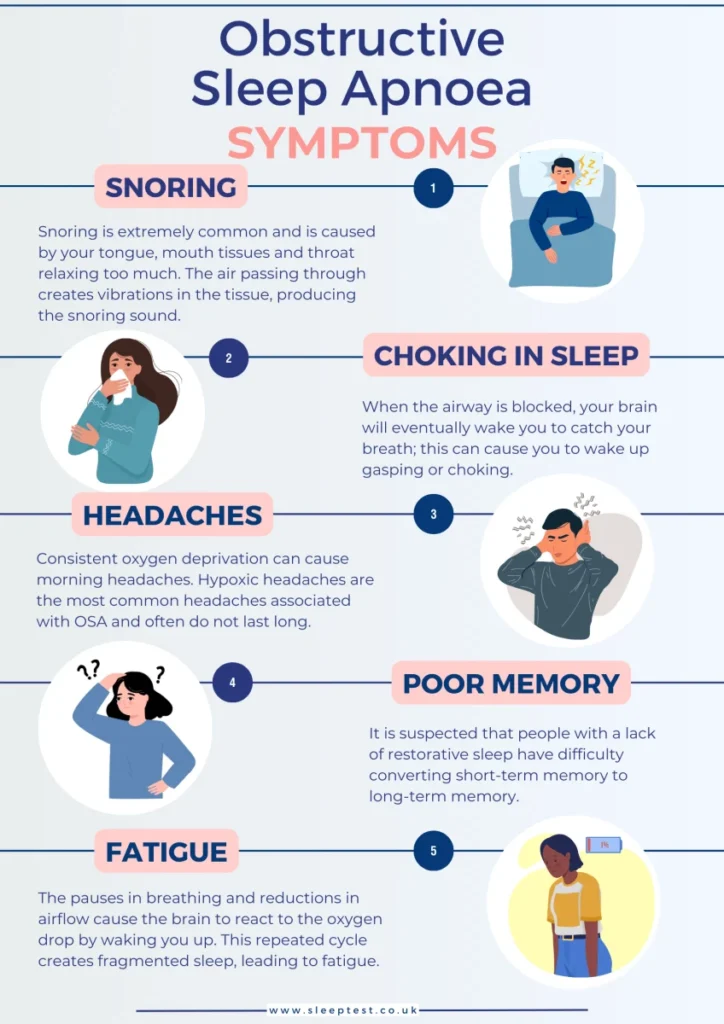
Some symptoms should move you toward a clinician and away from quick fixes. Mayo Clinic lists common sleep apnea signs like loud snoring with breathing pauses, gasping, and excessive daytime sleepiness.
If those show up, don’t rely on a mouthpiece alone. Get evaluated so you know what you’re dealing with.
Supplies: your “quiet night” starter kit
- Anti snoring mouthpiece: choose a reputable option and follow fit instructions carefully.
- Basic oral care items: toothbrush, mild soap or cleaner approved for oral devices, and a ventilated case.
- Optional add-ons: nasal support products if congestion is a driver for you. If you’re curious about the evidence base, see this SleepZee Reviews (Consumer Reports) Does This Anti-Snoring Mouthpiece Really Work?.
- One note on kids: airway development gets discussed more lately in dental and parenting spaces. For children, always route snoring concerns through a pediatric clinician or pediatric dentist.
Step-by-step (ICI): a simple way to test what helps
This is an ICI approach: Identify your pattern, Change one variable, then Iterate based on results.
1) Identify your snore pattern (3 nights)
Don’t over-track. Just capture basics for three nights: back vs side sleeping, alcohol, congestion, stress level, and whether your partner noticed pauses or gasps.
If you sleep alone, a simple audio recording can help you spot intensity changes. Keep it private and basic.
2) Change one variable: introduce the mouthpiece (7–14 nights)
Fit the device exactly as directed. A sloppy fit creates discomfort and unreliable results.
Wear it every night during the trial. If you only use it on “bad” nights, you won’t know what it’s doing.
Expect an adjustment period. Mild drooling or jaw tightness can happen early on for some people.
3) Iterate: tweak comfort before you declare it a failure
If the device is adjustable, make small changes rather than big jumps. Comfort drives compliance, and compliance drives outcomes.
Also check the boring basics. Nasal congestion, sleep position, and late-night meals can overpower a mouthpiece effect.
Mistakes that make mouthpieces seem “ineffective”
Using it like a gadget, not a habit
Sleep trends make everything feel like a quick upgrade. A mouthpiece is closer to a nightly routine than a new app.
Ignoring dryness, congestion, or travel fatigue
Hotel rooms, red-eye flights, and dehydration can spike snoring. If you test during heavy travel, you may blame the device for a bad baseline.
Trying to solve possible sleep apnea with shopping
If there are breathing pauses, choking/gasping, or major daytime sleepiness, move the conversation to a clinician. You deserve a real assessment.
FAQ: quick answers people ask right now
Do anti-snoring mouthpieces work for everyone?
No. They’re most likely to help when snoring relates to jaw/tongue position. Other causes may need different approaches.
How long does it take to adjust?
Give it at least several nights, and ideally up to two weeks. Stop and seek dental guidance if pain is sharp or worsening.
What if my partner says the snoring changed but I still feel tired?
Snoring volume and sleep quality don’t always move together. Persistent fatigue is a reason to consider a medical evaluation.
Are nasal dilators worth trying?
They can help some people with nasal airflow issues. Evidence is mixed across studies and individuals, so treat it as a personal trial, not a guarantee.
CTA: pick a reputable option and test it the smart way
If you want to compare options, start here: anti snoring mouthpiece.
How do anti-snoring mouthpieces work?
Medical disclaimer: This article is for general education only and is not medical advice. Snoring can be a symptom of obstructive sleep apnea or other conditions. If you have breathing pauses during sleep, choking/gasping, chest pain, severe daytime sleepiness, or concerns about a child’s snoring, seek evaluation from a qualified clinician.