
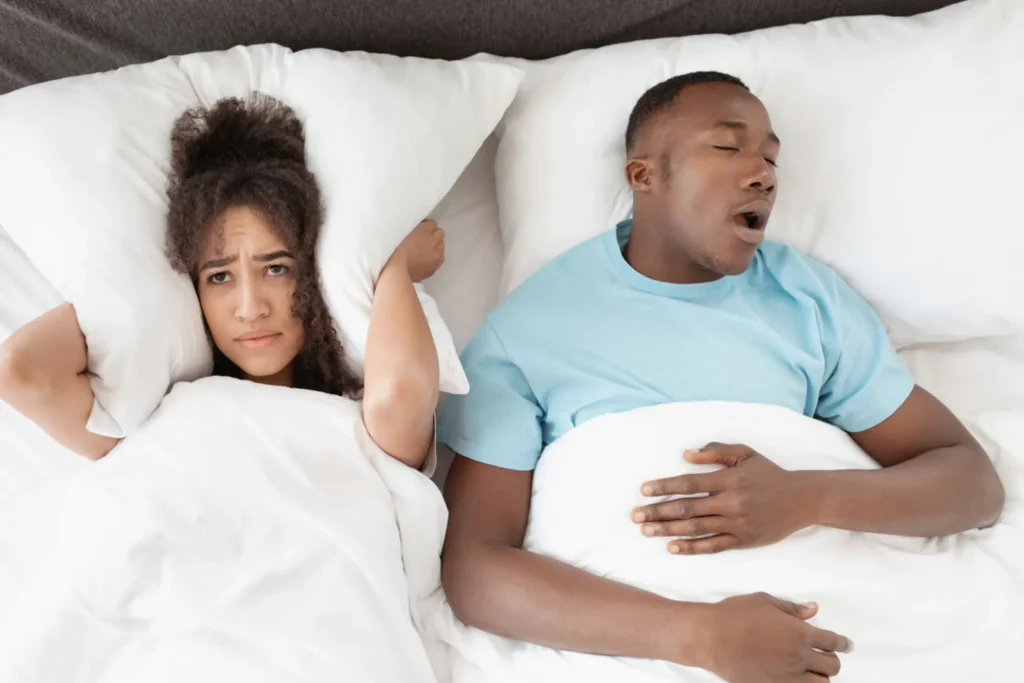
Snoring turns bedtime into a negotiation. One person wants silence. The other wants to breathe normally and not feel blamed.
And lately, it feels like everyone has a new sleep gadget, a new “life-extending” habit, or a new reason they’re exhausted—travel fatigue, doomscrolling, or burnout.
Here’s the simple truth: better sleep usually comes from choosing the right tool for your snoring pattern—and talking about it like teammates, not opponents.
Start here: a quick, no-drama snoring check
Before you buy anything, get specific. Snoring is a sound, not a diagnosis. The best next step depends on when it happens and what else shows up with it.
- When is it worst? On your back, after alcohol, during allergy season, or after short sleep?
- What does your partner notice? Steady snoring vs. pauses, choking, or gasping.
- How do you feel? Refreshed vs. foggy, headachy, or unusually sleepy.
Medical note: Snoring can be associated with sleep apnea. For symptom and risk-factor context, see this overview from Mayo Clinic: Study claims this specific sleeping habit could add four years to your life span.
Your decision guide: If…then… what to try next
Use these branches like a shortcut. You can mix options, but start with the most likely match.
If you snore mostly on your back, then change position first
Back-sleeping can make the airway more collapsible for some people. That’s why “anti-snore pillows” keep trending—people want a low-effort fix.
- Try a side-sleep setup (pillow support behind your back, or a pillow that encourages side sleeping).
- Give it a week. Track whether your partner reports fewer wake-ups.
If position helps but doesn’t solve it, a mouthpiece may be the next step.
If snoring is wrecking your partner’s sleep, then consider an anti snoring mouthpiece
Relationship humor about snoring is everywhere for a reason. It’s common. It’s also exhausting when it becomes nightly. An anti snoring mouthpiece is often considered when you want a direct, mechanical approach rather than adding more gadgets to the nightstand.
Many mouthpieces aim to keep the jaw or tongue from falling back during sleep. That can reduce vibration in some cases. Comfort and fit matter a lot, so expectations should be realistic.
If you’re comparing options, start here: anti snoring mouthpiece.
If you’re in a “scrolling until 1 a.m.” phase, then fix the schedule before you chase gear
Recent sleep coverage keeps circling the same theme: people lose hours to endless scrolling and then wonder why they feel wrecked. Less sleep can magnify everything—snoring complaints, irritability, and that “we’re both tired” argument.
- Set a hard “phone down” time.
- Keep chargers out of reach of the bed.
- Pick one wind-down habit you can repeat nightly.
Even one night of a cleaner routine can make the next day feel less punishing, which lowers the emotional temperature around snoring.
If travel fatigue or burnout is the backdrop, then aim for the simplest repeatable routine
When you’re bouncing between time zones or running on workplace burnout, you don’t need a complicated plan. You need consistency.
- Keep bedtime and wake time as stable as you can.
- Limit alcohol close to bed, especially on stressful nights.
- Keep the room cool, dark, and quiet (or use steady background noise).
Think of it as protecting sleep quality first, then tuning snoring second.
If there are red flags, then skip the gadgets and get evaluated
Snoring plus breathing pauses, choking/gasping, or heavy daytime sleepiness deserves medical attention. The goal isn’t just quieter nights. It’s safer sleep.
- Witnessed pauses in breathing
- Waking up gasping
- Morning headaches or severe dry mouth
- High daytime sleepiness or dozing off easily
If these show up, talk to a clinician or a sleep specialist.
How to talk about snoring without starting a fight
Snoring can feel personal, even when it isn’t. Try a script that keeps it practical.
- Lead with impact: “I’m not sleeping, and I’m struggling.”
- Make it a team problem: “Can we test one change this week?”
- Pick one metric: “Let’s track wake-ups, not perfection.”
This approach reduces shame and increases follow-through. That matters more than the fanciest device.
FAQs: quick answers before you buy anything
Do anti-snoring mouthpieces work for everyone?
No. They can help some people, especially with position-related snoring, but results vary by anatomy, congestion, and whether sleep apnea is involved.
What’s the difference between a mouthpiece and an anti-snore pillow?
A mouthpiece aims to change jaw or tongue position. A pillow aims to change head/neck position. Some people use one, some use both, and some need medical evaluation.
Is loud snoring always sleep apnea?
Not always, but loud, frequent snoring can be a sign. If you notice choking/gasping, daytime sleepiness, or witnessed breathing pauses, get checked.
Can scrolling before bed really make snoring worse?
Late-night scrolling can reduce sleep time and disrupt sleep routines. Less sleep can make you feel worse the next day and can amplify relationship tension around snoring.
When should I stop trying DIY fixes and talk to a clinician?
If snoring is paired with breathing pauses, morning headaches, high daytime sleepiness, or high blood pressure—or if you suspect sleep apnea—seek medical advice.
CTA: pick one next step tonight
If you want the fastest path forward, choose one branch above and run it for seven nights. Small wins compound quickly when both partners finally sleep.
How do anti-snoring mouthpieces work?
Medical disclaimer: This article is for general education and does not replace medical advice. If you suspect sleep apnea or have severe daytime sleepiness, breathing pauses, or other concerning symptoms, consult a qualified healthcare professional.