
Before you try another sleep gadget, run this quick checklist:
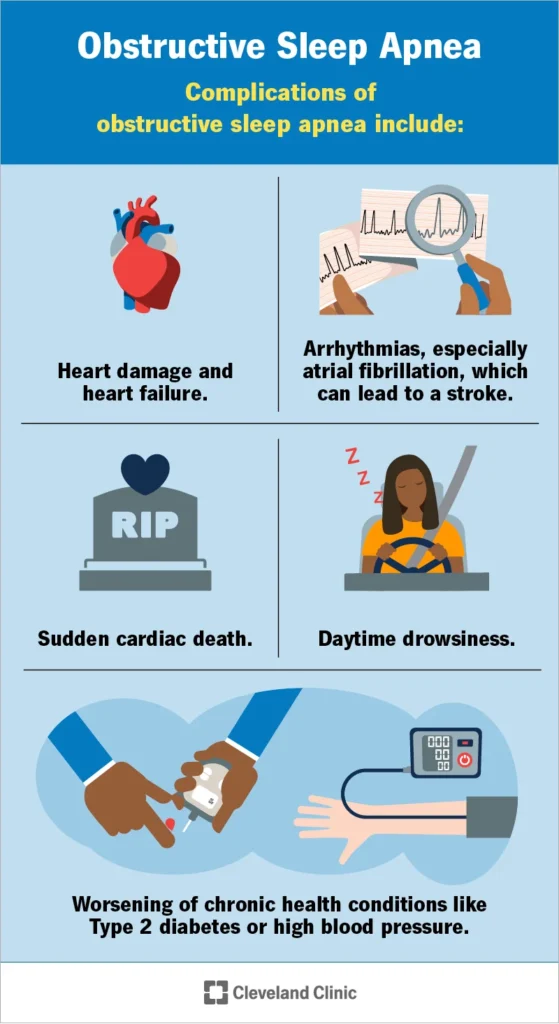
- Is the snoring new, louder, or happening most nights?
- Is anyone hearing pauses, choking, or gasping?
- Are you waking up unrefreshed, foggy, or irritable?
- Is it affecting your relationship (or your guest room schedule)?
- Have travel, stress, or burnout pushed your sleep off the rails?
If you nodded at more than one, you’re not alone. Snoring has become a surprisingly public topic lately—half health trend, half relationship comedy, and half “why am I exhausted even after eight hours?” (Yes, the math is messy.)
What people are talking about right now (and why it matters)
Sleep is having a moment. Wearables score your nights. Apps rate your recovery. Hotels market “sleep-friendly” rooms. Then real life hits: late-night scrolling, travel fatigue, and work stress that makes your body feel wired at bedtime.
In that mix, snoring stands out because it’s loud, obvious, and social. It doesn’t just affect you. It affects the person next to you—often the one who has to be up early, too.
Recent health coverage has also kept attention on sleep-disordered breathing, including obstructive sleep apnea. That’s pushed a lot of people to ask better questions than “How do I stop the noise?” They’re asking: “Am I actually getting quality sleep?”
To keep the conversation grounded, it helps to read a credible overview of 8 Ways To Improve Obstructive Sleep Apnea Symptoms Naturally before you assume it’s “just snoring.”
The medically important part (plain language)
Snoring usually happens when airflow is partially blocked and soft tissues vibrate. That blockage can come from nasal congestion, mouth breathing, tongue position, jaw position, or throat relaxation during sleep.
Sometimes snoring is mostly a nuisance. Other times it’s a clue that breathing is repeatedly disrupted. If you see warning signs—like witnessed pauses in breathing, gasping, or strong daytime sleepiness—don’t try to “hack” your way around it.
Red flags that deserve a real evaluation
- Breathing pauses noticed by a partner
- Choking, snorting, or gasping during sleep
- Morning headaches or dry mouth plus exhaustion
- Falling asleep easily while sitting, reading, or driving
- High blood pressure concerns or heart risk factors (discuss with a clinician)
If your partner is making jokes about your snoring, that can be a coping mechanism. It can also be a signal that both of you are running on depleted sleep.
What you can try at home (without turning bedtime into a project)
Most people don’t need 12 new routines. They need 2–3 changes they can actually stick with.
1) Change the conditions that make snoring louder
- Side-sleeping: Back sleeping often worsens snoring. A pillow strategy or positional support can help.
- Alcohol timing: Drinking close to bedtime can relax airway muscles. Earlier is generally better.
- Nasal support: Treat congestion and consider simple nasal aids if you’re blocked at night.
2) Tighten up your “sleep runway”
If you’re dealing with workplace burnout or frequent travel, your sleep window gets fragile. Create a short wind-down that signals “we’re landing now.” Keep it boring. Consistency beats intensity.
- Dim lights 30–60 minutes before bed
- Keep the room cool and dark
- Park the phone outside the bed if possible
3) Consider an anti snoring mouthpiece (when the fit is right)
An anti snoring mouthpiece is typically designed to help keep the airway more open by adjusting jaw or tongue position during sleep. For some snorers, that shift is the difference between noisy vibration and quieter airflow.
It’s not a one-size-fits-all fix. Still, it’s popular for a reason: it’s a non-surgical, at-home option that doesn’t require powering up another device.
If you’re comparing options, start with a focused overview like anti snoring mouthpiece and match the choice to your snoring pattern and comfort needs.
When it’s time to stop experimenting and get help
Self-trying solutions makes sense for mild, occasional snoring—especially if it spikes after travel, congestion, or a stressful week.
Get medical guidance if symptoms suggest sleep apnea or if snoring is paired with major daytime impairment. You deserve clarity, not guesswork. Your partner does, too.
Also consider the relationship angle: resentment builds quietly when one person is always the “bad sleeper.” A simple agreement helps—track what you try, for how long, and what changed. Make it a joint problem, not a personal flaw.
FAQ: quick answers for real-life nights
What if my snoring only happens when I’m exhausted or traveling?
That pattern is common. Sleep deprivation, alcohol timing, and sleeping on your back can all increase snoring. Start with those levers first.
Can a mouthpiece replace a CPAP?
For diagnosed sleep apnea, treatment decisions should be made with a clinician. Some people use oral appliances under professional guidance, but it depends on severity and anatomy.
Will a mouthpiece hurt my jaw?
Some people feel temporary jaw soreness or tooth pressure, especially early on. If pain is sharp, worsening, or persistent, stop and seek advice.
Why does my partner say I snore more lately?
Weight changes, nasal congestion, stress, sleep position, and alcohol timing can all shift snoring intensity. New or escalating snoring is worth taking seriously.
Next step: pick one change you can do tonight
You don’t need perfect sleep to improve your sleep. You need a plan you can repeat.
How do anti-snoring mouthpieces work?
Medical disclaimer: This article is for general education only and is not medical advice. Snoring can be a symptom of obstructive sleep apnea or other health conditions. If you have breathing pauses, choking/gasping, significant daytime sleepiness, or other concerning symptoms, talk with a qualified healthcare professional for evaluation and personalized guidance.