
Before you try anything tonight, run this quick checklist:
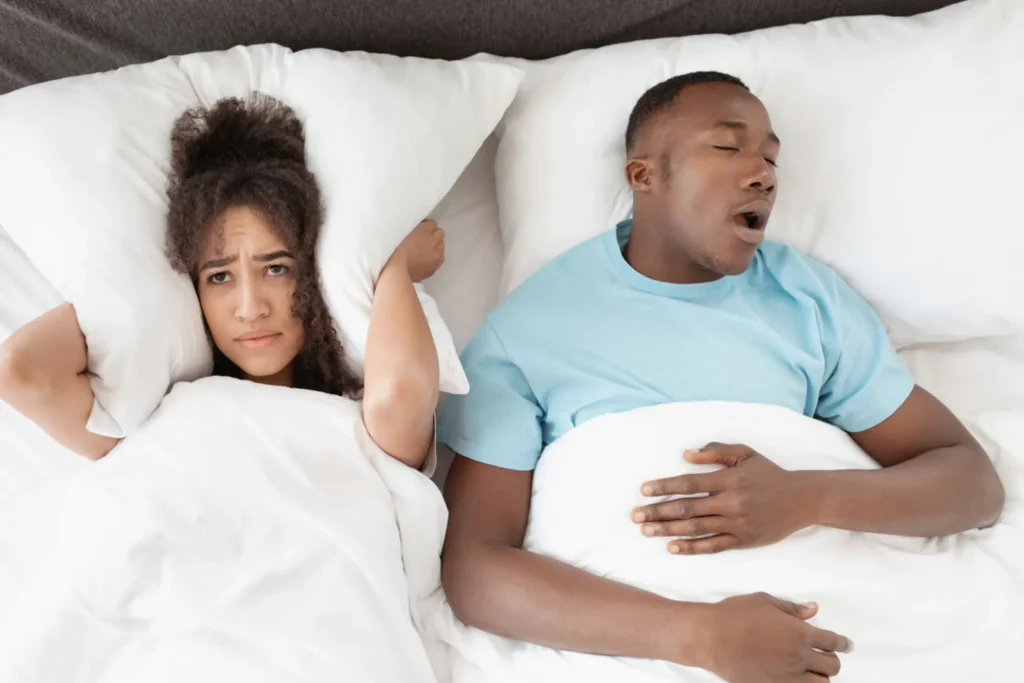
- Noise or health? Is it “annoying snoring,” or are there red flags like gasping, choking, or heavy daytime sleepiness?
- Pattern check: Worse after alcohol, late meals, travel, or a stuffed nose?
- Relationship reality: Are you both losing sleep, or just the person next to you?
- Gadget overload: Are you buying sleep tech while still doomscrolling in bed?
- One change first: Pick a single next step: habit tweak, position change, or an anti snoring mouthpiece.
What people are talking about right now (and why it matters)
Snoring is having a moment in the broader “sleep optimization” trend. People are comparing mouthguards, wearables, and app scores like they compare step counts. You’ll also see more reviews and “is it legit?” conversations around anti-snoring mouthpieces, especially as shoppers try to separate marketing from real comfort and results.
At the same time, sleep hygiene is trending again for a simple reason: many of us are tired. Late-night scrolling steals time, and work creeps into the evening. Add travel fatigue, a partner’s jokes about “chainsaw mode,” and you’ve got a very modern sleep problem.
Sleep health basics: when snoring is more than noise
Snoring happens when airflow becomes turbulent and tissues in the upper airway vibrate. That can show up after weight changes, congestion, alcohol, or sleeping on your back. It can also show up with structural factors like jaw position.
Some snoring is “just snoring.” Still, it’s smart to know the line between annoyance and a possible breathing issue. If you’re worried about sleep apnea, review SleepZee Mouth Guard Legitimacy Examined: 2026 Consumer and compare it to what you’re experiencing.
Quick red flags to take seriously
- Pauses in breathing, choking, or gasping during sleep (often noticed by a partner)
- Morning headaches, dry mouth, or feeling unrefreshed despite “enough” hours
- Strong daytime sleepiness or dozing off unintentionally
- High blood pressure concerns or significant worsening over time
How to try at home: a practical mouthpiece + sleep-quality plan
If your main goal is quieter nights and better rest, start with the simplest plan you can actually repeat. Sleep gadgets are tempting, but consistency beats novelty.
Step 1: Pick one habit that protects bedtime
Try a “work shutdown” buffer and a “scroll stop” rule. Many people find sleep comes easier when work ends earlier and the phone stays out of reach. You don’t need a perfect routine. You need a repeatable one.
- Set a hard stop for work tasks before bed.
- Charge your phone away from the pillow.
- Keep the bedroom darker and cooler if you can.
Step 2: Reduce positional snoring with a simple test
For two nights, try side sleeping. If snoring drops fast, position is a major lever for you. A body pillow can help. So can a different head/neck setup that keeps your airway more open.
Step 3: Add an anti snoring mouthpiece if jaw/tongue position seems involved
Many anti-snoring mouthpieces aim to keep the airway more open by guiding jaw or tongue position during sleep. They’re popular because they’re simple, portable, and don’t require a power cord. That makes them a common pick for travel weeks, hotel rooms, and “I just need a win tonight” moments.
If you want a product option to evaluate, you can look at this anti snoring mouthpiece. The combo approach is often appealing to people who suspect mouth breathing or jaw drop is part of their snoring pattern.
Step 4: Track outcomes like a grown-up (not like a perfectionist)
Skip the complicated spreadsheets. Use a simple 1–10 score each morning for:
- Snoring impact: partner rating or your own audio app notes
- Sleep quality: how restored you feel
- Comfort: jaw, teeth, and gum comfort
If comfort is poor, results won’t last. The best option is the one you can tolerate consistently.
When to stop experimenting and get help
Home trials are fine for straightforward snoring. Don’t “biohack” your way around warning signs, though. If symptoms suggest sleep apnea or another sleep-breathing issue, a clinician can guide next steps.
Consider professional input if:
- Snoring is loud and persistent, especially with gasping or witnessed breathing pauses
- Daytime sleepiness is affecting driving, work performance, or mood
- You have jaw pain, dental issues, or bite changes with a mouthpiece
- Your partner is regularly sleeping elsewhere due to your snoring
FAQ: quick answers about mouthpieces and sleep quality
Do anti-snoring mouthpieces work for everyone?
No. They tend to help most when snoring is linked to jaw or tongue position, and less when other factors drive the noise.
How fast can a mouthpiece reduce snoring?
Some people notice improvement right away. Others need a short adjustment period for fit and comfort.
Is loud snoring always sleep apnea?
No, but it can be a clue. Combine snoring with choking/gasping, breathing pauses, or severe sleepiness and it’s worth checking.
Can a mouthpiece replace CPAP?
If sleep apnea is suspected or diagnosed, follow clinical advice. A mouthpiece may be an option in some plans, but it’s not a universal replacement.
What if my jaw feels sore?
Mild soreness can happen early on. Stop and seek guidance if pain is significant, worsening, or persistent.
CTA: make tonight easier
If you’re trying to cut the noise and protect your sleep quality, start simple and stay consistent. When you’re ready to explore options, use the button below.
How do anti-snoring mouthpieces work?
Medical disclaimer: This article is for general education and does not provide medical advice or a diagnosis. If you suspect sleep apnea, have significant daytime sleepiness, or have worsening symptoms, consult a qualified healthcare professional.