
Myth: Snoring is just “annoying noise,” so any trending sleep gadget will fix it.
Reality: Snoring is usually about airflow and vibration. The right fix depends on what’s driving it—position, congestion, jaw posture, or something more serious.
Right now, people are comparing mouthpieces the same way they compare smart rings, sunrise lamps, and white-noise machines. Reviews and headlines keep circling one question: does an anti-snoring mouthpiece actually work, or is it just another nightstand purchase?
Is my snoring a sleep quality problem—or a health flag?
Snoring can wreck sleep quality even when you don’t fully wake up. It can also strain relationships. The “separate bedrooms as self-care” joke lands because a lot of couples are living it after travel fatigue, packed schedules, and burnout.
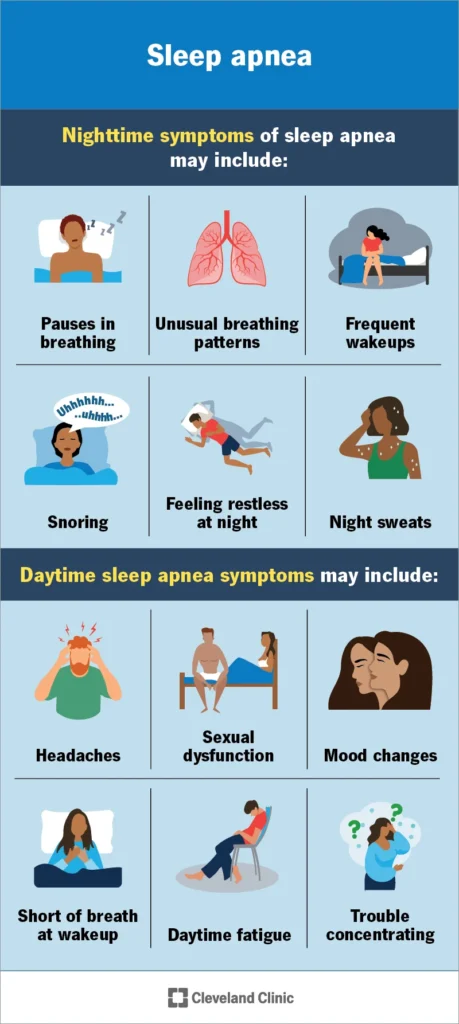
Still, snoring isn’t always harmless. If you notice choking or gasping, witnessed pauses in breathing, morning headaches, or heavy daytime sleepiness, treat that as a prompt to get evaluated. Many medical sources describe these as common warning signs linked with sleep-disordered breathing.
Want a quick, credible overview of what reviewers are discussing lately? Here’s a relevant reference: SleepZee Reviews (Consumer Reports) Does This Anti-Snoring Mouthpiece Really Work?.
What does an anti snoring mouthpiece actually do?
Most anti-snoring mouthpieces aim to keep your airway more open during sleep. A common approach is gently positioning the lower jaw forward, which can reduce tissue collapse and vibration in some sleepers.
This is why mouthpieces show up in conversations about “real fixes” versus pure comfort gadgets. A fan, app, or tracker may help your routine. A mouthpiece tries to change the mechanics of snoring.
Who tends to benefit most from a mouthpiece?
In plain terms: mouthpieces are often discussed for people whose snoring seems tied to jaw position, sleeping on their back, or relaxed throat tissues at night.
They may be less satisfying if your main issue is nasal blockage, allergies, or frequent congestion. In that case, you might still snore through an open mouth because you can’t breathe well through your nose.
If you’re shopping, start with a clear goal: fewer snores, fewer wake-ups, and a calmer bedroom. Then choose a device you can actually wear for more than two nights.
What should I look for before I buy one?
Fit and adjustability (comfort is the whole game)
A mouthpiece that hurts won’t get used. Look for adjustability so you can change the jaw position gradually instead of forcing a big jump on night one.
Materials and cleaning routine
Keep it simple. If cleaning feels like a chore, it becomes a “drawer device.” A quick nightly rinse and regular deeper cleaning is easier to maintain.
Dental and jaw considerations
If you have TMJ symptoms, loose dental work, or significant bite issues, be cautious. A mouthpiece changes how your jaw sits for hours. That can be fine for some people and irritating for others.
How do I test whether it’s helping (without overtracking)?
You don’t need a full spreadsheet or a new wearable to run a useful test. Try a simple two-week check:
- Night 1–3: Focus on comfort and fit. Expect an adjustment period.
- Night 4–10: Track two things only: partner-reported snoring and how refreshed you feel.
- Night 11–14: Compare to baseline nights without it. Decide if the improvement is worth continuing.
If you travel a lot, do this test at home first. Hotel pillows, late dinners, alcohol, and jet lag can change snoring patterns and muddy the results.
What are the downsides people mention?
Common complaints are jaw soreness, drooling, dry mouth, and tooth discomfort. Some people notice temporary bite changes in the morning.
If you get sharp pain, ongoing jaw symptoms, or bite changes that don’t resolve after you’re awake, stop using the device and talk with a dentist or clinician.
When should I skip DIY and get checked?
Don’t “power through” if there are signs of sleep apnea or another sleep-breathing issue. Consider professional evaluation if you have loud snoring plus any of the following: witnessed pauses, choking/gasping, significant daytime sleepiness, or high blood pressure concerns.
Dental organizations and medical publishers have been highlighting emerging oral therapies and broader awareness of obstructive sleep apnea. The takeaway is simple: snoring can be a symptom, not just a sound.
Common questions people ask right now
People are tired. Burnout is real. So the most common questions aren’t philosophical—they’re practical.
- Will this help me sleep deeper, or just make me quieter?
- Is my snoring positional, nasal, or something else?
- Can I bring this on work travel and actually use it?
- Will my jaw hate me in the morning?
FAQs
Can an anti snoring mouthpiece improve sleep quality?
It can, especially if it reduces snoring-related micro-wakeups for you or your partner. The main predictor is whether it fits well enough to wear consistently.
How fast do mouthpieces work for snoring?
Some people notice a difference quickly. Others need a short adjustment period to find a comfortable setting and get used to sleeping with it.
Is loud snoring always sleep apnea?
No, but it can be a clue. If snoring comes with gasping, pauses, or major daytime sleepiness, get checked.
Are over-the-counter mouthguards the same as dentist-made devices?
No. OTC products are more accessible and can help some people. Dentist-made oral appliances are customized and may be better for complex dental or jaw needs.
What are common side effects of snoring mouthpieces?
Jaw or tooth soreness, drooling, dry mouth, and temporary bite changes are commonly reported. Persistent pain is a reason to stop and seek guidance.
What else should I try alongside a mouthpiece?
Side-sleeping, limiting alcohol close to bedtime, and addressing nasal congestion can stack the odds in your favor. Consistency matters more than perfect optimization.
Try a mouthpiece that’s built for real-world nights
If you’re ready to test a device instead of collecting another sleep gadget, start here: anti snoring mouthpiece.
How do anti-snoring mouthpieces work?
Medical disclaimer: This article is for general education and does not provide medical advice, diagnosis, or treatment. If you suspect sleep apnea or have severe symptoms (gasping, breathing pauses, significant daytime sleepiness, chest pain, or persistent jaw pain), consult a qualified clinician or dentist.