
Snoring is having a moment. Not the funny kind—more like the “why am I exhausted?” kind.
Between sleep trackers, travel fatigue, and burnout culture, people are hunting for a fix that actually improves sleep quality.
If your snoring is disrupting sleep (yours or your partner’s), an anti snoring mouthpiece can be a practical, low-tech step—when it matches the cause.
What people are talking about right now (and why)
Sleep gadgets keep multiplying. Rings, watches, smart pillows, white-noise machines—everyone wants a clean score in the morning.
At the same time, snoring products are getting more scrutiny. You’ll see “is it legit?” conversations around mouth guards and quick fixes, plus broader talk about breathing patterns and airway health.
There’s also a bigger cultural thread: relationships. Snoring jokes land because they’re real. Separate blankets, “sleep divorces,” and earplugs are trending because people are prioritizing rest.
Why the airway conversation keeps popping up
More dentists and health writers are discussing airway development and breathing habits, including how early patterns can matter later. That doesn’t mean every snorer has a major medical issue.
It does mean snoring is often about mechanics—how air moves, and what collapses when muscles relax at night.
If you want a general reference point on the airway-health angle, see this search-style resource: SleepZee Mouth Guard Legitimacy Examined: 2026 Consumer.
What matters for sleep health (not just noise)
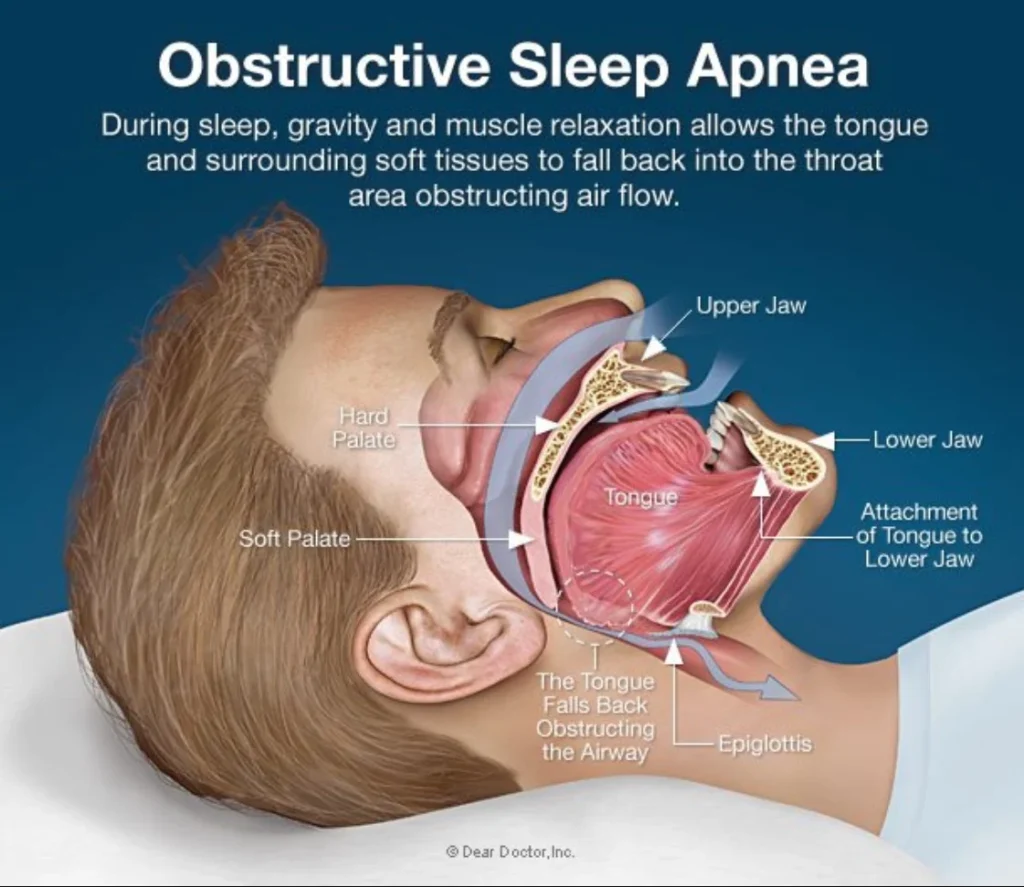
Snoring is vibration from airflow meeting resistance. The resistance can come from the nose, the soft palate, the tongue, or the jaw position.
Sleep quality takes the hit in two ways. First, the sound can wake a partner (or you). Second, the same airway narrowing that creates snoring can fragment sleep, even if you don’t fully wake up.
Where an anti snoring mouthpiece fits
Many mouthpieces for snoring work by gently holding the lower jaw forward. That can create more space behind the tongue and reduce airway collapse for some people.
They’re not a universal fix. If your snoring is mostly nasal congestion, a mouthpiece may help less than addressing the nose and sleep setup.
Snoring vs. obstructive sleep apnea (OSA)
Some snorers have OSA, and some don’t. The difference matters because OSA can affect health beyond sleepiness.
If you notice gasping, choking, witnessed breathing pauses, morning headaches, or heavy daytime fatigue, treat that as a reason to get evaluated rather than “just try another gadget.”
How to try this at home (simple, not fussy)
Think of this as a short experiment: reduce friction, track results, and keep what works.
1) Do a quick “snore pattern” check
For three nights, note: sleep position, alcohol late in the evening (if any), nasal stuffiness, and how you feel in the morning.
If you have a tracker, use it as a trend tool—not a verdict. The goal is fewer wake-ups and better mornings.
2) Start with the easiest wins
- Side sleeping: Many people snore more on their back.
- Nasal support: If you’re congested, consider gentle, non-medicated options like humidification or saline rinses.
- Bedroom basics: Cooler temp, consistent schedule, and less late-night scrolling help more than people want to admit.
3) If you’re testing a mouthpiece, prioritize fit and comfort
A poorly fitting device is the fastest path to quitting. Look for designs meant for snoring (not generic sports mouth guards) and follow the fitting instructions closely.
If you’re comparing choices, start here: anti snoring mouthpiece.
4) Run a 7–14 night trial with one change at a time
Don’t stack five new interventions in one night. You won’t know what helped.
Use a simple rating: snoring volume (per partner), number of awakenings, and morning energy.
When to stop self-experimenting and get help
Get medical guidance if snoring is loud and frequent and you also have daytime sleepiness, high blood pressure concerns, or witnessed breathing pauses.
Also reach out if jaw pain, tooth pain, or bite changes show up with a mouthpiece. A dentist can help you choose a safer approach and fit.
For kids who snore, don’t assume it’s “normal.” Pediatric snoring should be discussed with a clinician, especially if sleep seems restless or behavior and attention are affected.
FAQ: quick answers people want before bed
Will a mouthpiece help travel snoring?
It can. Travel often adds fatigue, alcohol, dry hotel air, and back-sleeping—each can worsen snoring. A mouthpiece may help if jaw position is part of your pattern.
What if my partner says I only snore sometimes?
That’s common. Snoring often spikes with congestion, stress, certain sleep positions, and late nights. Track the “sometimes” triggers.
Can I combine a mouthpiece with other tools?
Often yes, like side-sleep supports or nasal strategies. If you suspect sleep apnea or feel unwell, get evaluated before layering on more DIY fixes.
CTA: make tonight quieter (and tomorrow sharper)
If snoring is stealing your sleep quality, you don’t need another complicated routine. You need a plan you’ll actually use.
How do anti-snoring mouthpieces work?
Medical disclaimer: This article is for general education only and is not medical advice. Snoring can have many causes, including obstructive sleep apnea. If you have breathing pauses, choking/gasping, significant daytime sleepiness, chest pain, or other concerning symptoms, seek evaluation from a qualified clinician.