
At 2:13 a.m., someone quietly slides a pillow between them and their partner like its a peace treaty. The white-noise machine is on, a sleep-tracking ring is glowing on the nightstand, and the travel neck pillow from last weeks red-eye is still on the chair. Then the snoring starts again, and the mood shifts from funny to exhausted.
If that sounds familiar, youre not alone. Snoring is getting a lot of attention right now, partly because sleep gadgets are everywhere and burnout is real. People want quick wins that actually improve sleep quality, not just more data.
This guide is a decision tree. It helps you decide when an anti snoring mouthpiece makes sense, what to try first, and when to bring in a clinician.
The 60-second reality check (before you buy anything)
Snoring can be a simple airflow issue. It can also be a sign of something bigger, like obstructive sleep apnea. You cant diagnose that at home, but you can notice patterns.
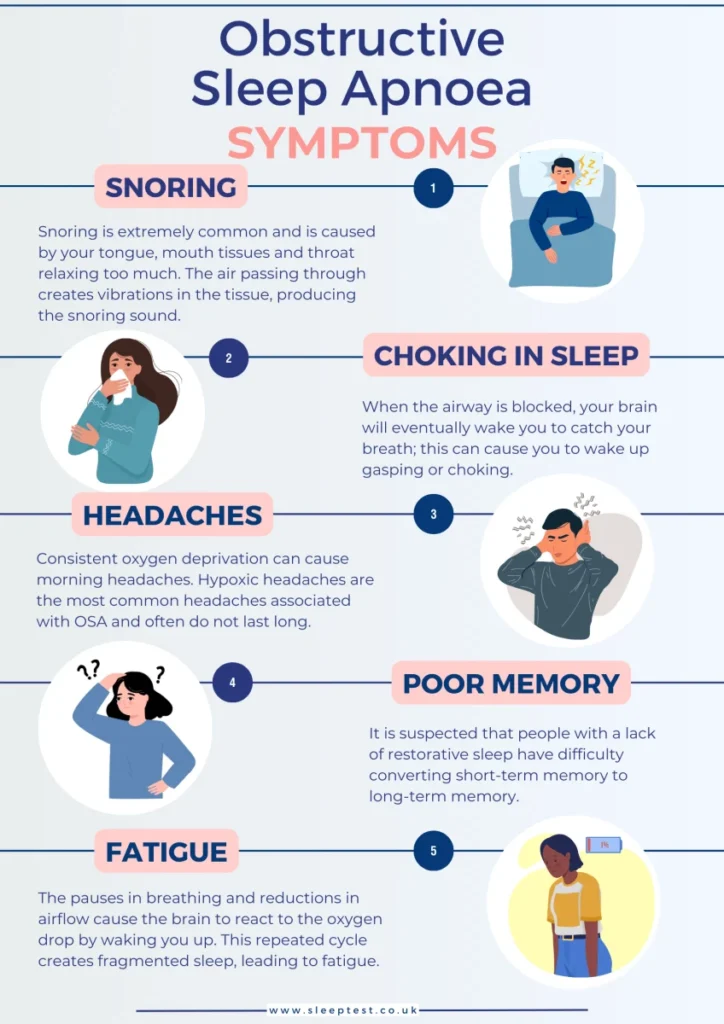
- Snoring with choking, gasping, or pauses in breathing is a red flag.
- Morning headaches, dry mouth, or heavy daytime sleepiness matter.
- High stress, weight changes, alcohol near bedtime, or congestion can amplify snoring fast.
Medical disclaimer: This article is general education, not medical advice. If you suspect sleep apnea or have severe symptoms, seek evaluation from a qualified clinician.
Your decision guide: Ifthen paths that match real life
If your partner says its worst on your back, then start with position + consider a mouthpiece
Back sleeping often lets the jaw and tongue drift in a way that narrows the airway. Thats why side-sleeping hacks trend every year.
Try first: side sleeping support (body pillow, backpack trick, or wedge) for a week. Keep it simple.
Then consider: an anti snoring mouthpiece, especially if you still snore on your side or you cant stay there all night. Many mouthpieces aim to keep the lower jaw or tongue from collapsing backward during sleep.
If your nose is the bottleneck, then fix airflow before blaming your jaw
Recent health coverage keeps circling back to breathing patterns and nasal airflow. Thats not hype. A blocked nose can push you into mouth breathing, which can make snoring louder and sleep feel lighter.
Try first: address temporary congestion (allergies, colds, dry air) and look at your sleep environment. Hydration, humidity, and timing of showers can matter.
Then consider: a mouthpiece if mouth breathing and jaw drop seem to be part of the picture. If nasal blockage is constant, get it checked.
If travel fatigue and burnout are driving it, then reduce the snore triggers stack
After late flights, long meetings, or a week of short nights, snoring can spike. Thats the bodys version of a low-battery warning.
Try first: protect sleep timing for a few nights, cut alcohol close to bedtime, and avoid heavy meals late. Also, treat reflux symptoms with clinician-approved strategies if you have them.
Then consider: a mouthpiece if snoring persists even when your schedule stabilizes. A tool works better when its not fighting five other factors.
If the relationship tension is rising, then choose the least dramatic next step
Snoring isnt just noise. It can turn bedtime into a negotiation, and that pressure can make sleep worse for both people.
Try first: a calm, daytime conversation. Pick a shared goal: We both want deeper sleep. Agree on a two-week experiment with one or two changes, not ten.
Then consider: a mouthpiece as a tangible, low-effort trial. It often feels more collaborative than nudging someone all night.
If symptoms suggest sleep apnea, then skip DIY and get evaluated
Snoring plus breathing pauses, gasping, or major daytime sleepiness should move you out of the sleep hack lane. A mouthpiece may still be part of a plan later, but youll want the right diagnosis first.
For a general overview of what people are discussing right now, see this related coverage: Why You’re Breathing Wrong, and How to Fix It.
What an anti-snoring mouthpiece can (and cant) do
A mouthpiece is not a magic mute button. Its a mechanical nudge that can help keep the airway more open by influencing jaw or tongue position.
- Best fit: consistent snoring that seems positional, jaw-related, or linked to mouth breathing.
- Less likely to help: snoring driven mainly by ongoing nasal obstruction, heavy alcohol use near bedtime, or an untreated sleep disorder.
- Comfort matters: if it hurts your jaw or teeth, dont push through it.
How to pick a mouthpiece without overthinking it
Shopping for sleep products can feel like doomscrolling with a credit card. Use a simple filter.
Fit and adjustability
Look for options designed to fit securely and allow small adjustments. Tiny changes can affect comfort and results.
Materials and cleaning
Choose something you can keep clean easily. If a device is annoying to maintain, it wont stay in the routine.
Your dental situation
Braces, implants, loose teeth, gum issues, and TMJ pain can change whats appropriate. When in doubt, ask a dental professional.
If youre comparing options, start here: anti snoring mouthpiece.
Small sleep-quality upgrades that pair well with mouthpieces
People love big fixes, but sleep often improves through stacking small, boring wins.
- Set a shutdown time: pick a consistent window to stop work and screens.
- Protect your nose: manage dryness and allergens in the bedroom.
- Limit late alcohol: it can relax airway muscles and worsen snoring.
- Side-sleep support: make the easy position the default position.
FAQs (quick answers)
Do anti-snoring mouthpieces work for everyone?
No. Theyre most helpful when snoring relates to jaw or tongue position, and less helpful when other causes dominate.
Whats the difference between snoring and sleep apnea?
Snoring is sound from restricted airflow. Sleep apnea involves repeated breathing interruptions and needs medical assessment.
How long does it take to get used to a mouthpiece?
Often several nights to a couple of weeks. Stop if you have persistent jaw pain or dental discomfort.
Can I use a mouthpiece if I have TMJ or dental issues?
Maybe, but get guidance first. Existing jaw or dental problems can make some devices a poor match.
What else helps sleep quality if snoring is the main issue?
Side sleeping, consistent sleep timing, treating congestion, and avoiding alcohol near bedtime can help.
CTA: Make tonight less tense
You dont need a drawer full of gadgets to get traction. Pick one path, run it for two weeks, and track what changes.
How do anti-snoring mouthpieces work?
Reminder: If you notice breathing pauses, gasping, or severe daytime sleepiness, prioritize a clinical evaluation. Better sleep is worth doing safely.