
Myth: Snoring is just a noisy habit.
Reality: Snoring often tracks with fragmented sleep, travel fatigue, and next-day brain fog. It can also turn bedtime into a relationship punchline that stops being funny fast.
Right now, sleep gadgets are everywhere. People are comparing mouthpieces, apps, and “sleep hygiene” routines, while headlines also raise questions about device claims and company transparency. That’s the perfect time to make a clean, low-drama decision.
Start here: what snoring is doing to your sleep
Snoring can wreck sleep quality in two ways. It can wake your partner. It can also pull you into lighter sleep, even if you don’t remember waking.
If you’re dealing with workplace burnout, endless scrolling at night, or jet-lagged travel weeks, snoring can pile on. Fixing the basics matters, but the noise problem still needs a plan.
The no-fluff decision guide (If…then…)
If your snoring is occasional (cold, allergies, a few drinks)…
Then: treat it as a short-term spike. Start with non-device steps that reduce triggers: consistent bedtime, less late-night alcohol, and a hard stop on doomscrolling.
If you still want gear, keep it simple. Many people try a mouthpiece during “high-risk” weeks like travel or crunch-time work.
If snoring is frequent and your partner is losing sleep…
Then: consider an anti snoring mouthpiece as a practical first device. For many shoppers, it’s a lower-friction option than building a full sleep-tech stack.
Choose products with clear instructions, realistic expectations, and straightforward support. Recent consumer-style coverage has pushed people to look harder at how brands explain claims and policies. That’s a good habit.
If you wake up unrefreshed, even after “enough” hours…
Then: don’t assume the problem is only snoring volume. Poor sleep quality can come from stress, schedule drift, and breathing issues. A mouthpiece may help, but it shouldn’t be your only screen.
Track outcomes for two weeks: bedtime, wake time, how you feel at 2 p.m., and whether snoring complaints change. Write it down. Vibes aren’t data.
If there are red flags for sleep apnea…
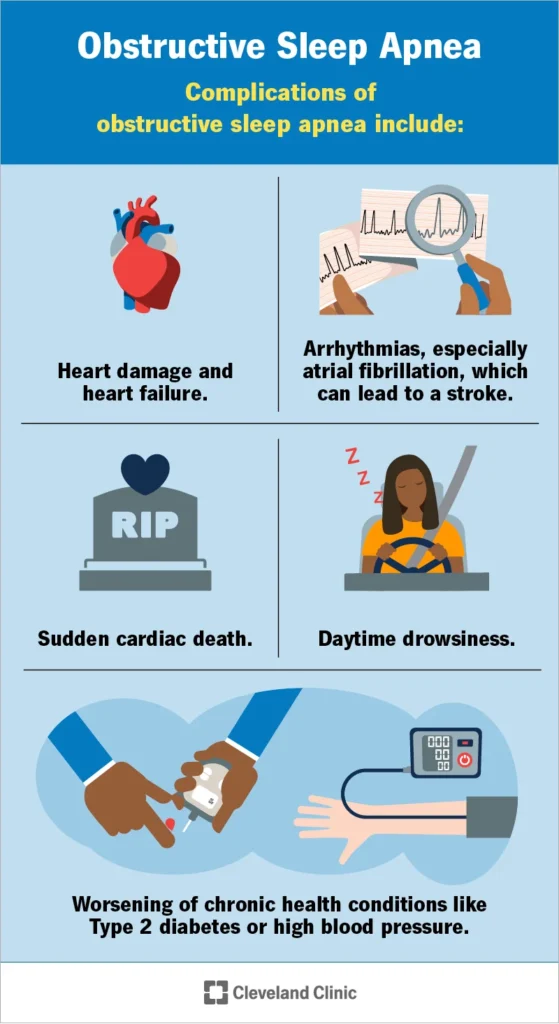
Then: prioritize medical screening. Red flags include loud snoring plus choking/gasping, witnessed breathing pauses, or severe daytime sleepiness.
A mouthpiece might still be part of a plan, but you don’t want to mask a bigger issue. Sleep health is risk management, not just noise control.
Shopping rules that reduce risk (and buyer’s remorse)
Rule 1: Demand transparency before you buy
When people talk about “legitimacy” in sleep device reviews, they usually mean basics: who runs the company, how returns work, and whether claims sound like marketing fiction. Use that lens.
If you want an example of the kind of consumer discussion circulating, scan this search-style reference: SleepZee Mouth Guard Legitimacy Examined: 2026 Consumer Analysis Investigates Anti-Snoring Device Claims and Company Transparency.
Rule 2: Don’t share mouthpieces (infection + fit risk)
This is not like borrowing a phone charger on a work trip. A mouthpiece is personal-use. Sharing can increase hygiene risk and can also damage fit.
Clean it as directed. Replace it when it shows wear, odor, or cracks.
Rule 3: Document your choice like you’re protecting Future You
Keep a quick note with: purchase date, return window, customer support contact, and how it felt after nights 1, 3, and 7. This reduces “I forgot” mistakes that turn into wasted money.
Where an anti-snoring mouthpiece fits in today’s sleep trend cycle
People are buying sleep trackers, sunrise lamps, and subscription apps. Those can be helpful, but they also invite over-optimization.
A mouthpiece is more direct: it targets the snoring mechanism rather than measuring it. If your biggest problem is noise and disrupted sleep, that focus can be a relief.
To compare options quickly, start here: anti snoring mouthpiece.
Quick safety notes before you use one
- Stop if you get jaw pain, tooth pain, or gum irritation that doesn’t settle quickly.
- If you have significant dental work, TMJ concerns, or loose teeth, consider professional guidance before use.
- If apnea red flags show up, get screened rather than self-treating.
FAQ
Can an anti-snoring mouthpiece improve sleep quality?
It can help some people by reducing snoring noise and sleep disruptions. Results vary based on the cause of snoring and fit of the device.
What’s the difference between a mouthguard and a mandibular advancement device (MAD)?
Many anti-snoring mouthpieces are MAD-style devices that gently move the lower jaw forward. A generic sports mouthguard usually does not target snoring mechanics.
How do I know if snoring could be sleep apnea?
Warning signs include choking/gasping, witnessed breathing pauses, morning headaches, and significant daytime sleepiness. If those show up, consider medical screening.
Is it safe to share an anti-snoring mouthpiece with someone else?
No. Sharing increases infection risk and fit problems. Use your own device and follow cleaning and replacement guidance.
What should I look for before buying an anti-snoring mouthpiece online?
Look for clear company contact info, transparent policies, realistic claims, and materials information. Be cautious with “guaranteed” language and vague support details.
CTA: get a clear answer fast
If snoring is dragging down your sleep (or your relationship), don’t keep guessing. Start with a mouthpiece decision that’s easy to track and easy to reverse if it’s not a fit.
How do anti-snoring mouthpieces work?
Medical disclaimer: This article is for general education only and is not medical advice. It does not diagnose, treat, or cure any condition. If you have symptoms of sleep apnea or ongoing sleep problems, talk with a qualified clinician.