
- Snoring is a sleep-quality problem, not just a noise problem.
- Gadgets are trending (tape, trackers, wearables), but basics still win.
- An anti snoring mouthpiece can help some people by supporting a more open airway.
- Travel fatigue and burnout can make snoring louder and sleep lighter.
- If symptoms suggest sleep apnea, don’t guess—get evaluated.
Snoring has become a weirdly mainstream topic. People swap “sleep hacks” the way they trade coffee recommendations. You’ll hear jokes about separate bedrooms, “silent retreats” that are really just earplugs, and the latest viral sleep gadget.
Under the humor is a real issue: poor sleep adds up. It can affect mood, focus, workouts, and relationships. If you’re looking at an anti-snoring mouthpiece, you’re not alone.
Why does snoring feel louder lately?
Sometimes it’s not that your snoring suddenly changed. It’s that your life did. More screen time at night, more stress, and more irregular schedules can make sleep lighter. Light sleep makes you notice everything, including your partner’s breathing.
Travel is another trigger. Dry hotel air, jet lag, and sleeping on your back can all make snoring more likely. Even a short work trip can turn “occasional snorer” into “how is this happening?”
Today’s sleep trend: quick fixes
Recent chatter around mouth tape, CPAP comfort tweaks, and consumer reviews of mouthpieces shows the same theme: people want a simple solution. That’s understandable. Just remember that snoring can have different causes, so one-size-fits-all fixes don’t always land.
What actually causes snoring in plain language?
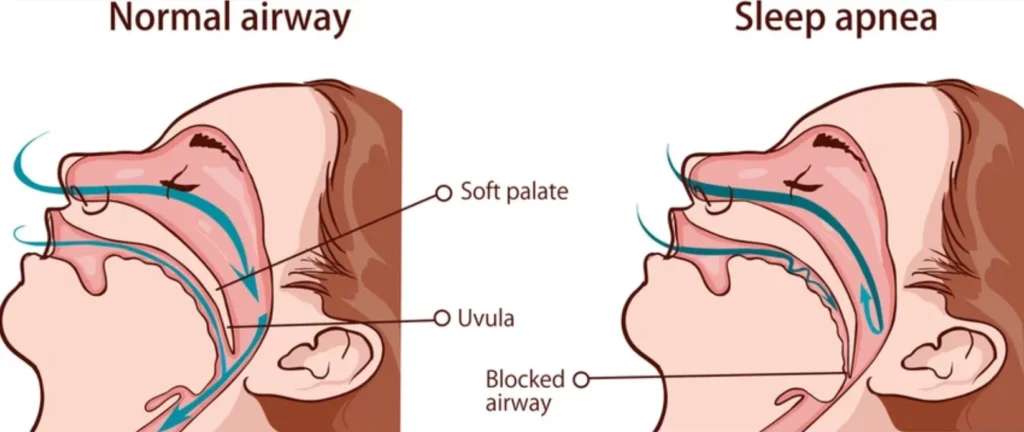
Snoring usually happens when airflow gets turbulent as it moves through relaxed tissues in the throat and mouth. That turbulence creates vibration. The sound can range from a soft purr to a full-on chainsaw.
Common contributors include sleeping on your back, nasal congestion, alcohol close to bedtime, and weight changes. Jaw position and tongue position can matter too, which is where mouthpieces come in.
How can an anti snoring mouthpiece improve sleep quality?
Many anti-snoring mouthpieces are designed to support the lower jaw in a slightly forward position. That can help reduce airway collapse for some sleepers. Others focus on tongue positioning.
When it works, the payoff is bigger than “less noise.” You may wake up less, spend more time in deeper sleep, and feel less drained during the day. Your partner may also stop doing the midnight elbow nudge.
What people are talking about right now
Dental sleep medicine keeps getting more attention, including discussions of evolving dental approaches for sleep-disordered breathing. If you want a high-level overview of that conversation, see this source: Hostage Tape Mouth Tape Review 2026: Beards, Dry Mouth & CPAP.
There’s also growing interest in airway health starting early in life. That doesn’t mean adults are “too late.” It’s a reminder that breathing, jaw position, and sleep are connected across the lifespan.
Is a mouthpiece the same as mouth tape or a sleep tracker?
No. They aim at different parts of the problem.
- Mouth tape is usually about lip closure and encouraging nasal breathing. It may feel trendy, but it’s not a fit for everyone, especially if nasal airflow is limited.
- Sleep trackers can help you notice patterns (like worse sleep after late drinks). They don’t treat snoring by themselves.
- Mouthpieces try to change jaw or tongue position to reduce vibration and airway narrowing.
If you’re choosing between “another gadget” and something that targets airway mechanics, a mouthpiece is often the more direct tool to test—assuming you’re a reasonable candidate.
How do you pick a mouthpiece without overcomplicating it?
Keep it simple and focus on comfort, fit, and consistency. A mouthpiece that sits in a drawer can’t help your sleep.
Quick self-check before you buy
- How often do you snore? Nightly snoring is different from “only after a late dinner.”
- Any jaw issues? If you have TMJ pain or dental concerns, consider professional guidance.
- Any sleep apnea signs? Pauses in breathing, gasping, or heavy daytime sleepiness deserve medical evaluation.
A practical option to consider
If you want a combined approach that also supports keeping the mouth closed, you can look at an anti snoring mouthpiece. Comfort and adjustability are key. Start with realistic expectations and give it a fair trial window.
What if snoring is affecting your relationship (or your workday)?
Snoring jokes are everywhere because the situation is common. Still, chronic sleep disruption can turn into resentment fast. If you’re in a “two rooms, one marriage” phase, treat it like a shared problem, not a personal flaw.
Workplace burnout also plays a role. When you’re already depleted, one more bad night can feel like a breaking point. Improving sleep quality is often the most underrated productivity move.
When is snoring a medical issue, not just an annoyance?
Snoring can be harmless. It can also show up alongside obstructive sleep apnea, which sometimes presents in unexpected ways. If you notice choking/gasping, witnessed breathing pauses, morning headaches, or persistent daytime sleepiness, get checked.
Medical disclaimer: This article is for general education only and isn’t medical advice. It does not diagnose, treat, or replace care from a licensed clinician. If you suspect sleep apnea or have significant symptoms, seek a professional evaluation.
FAQs
Can an anti-snoring mouthpiece help if I only snore sometimes?
It can, especially if your snoring shows up with back-sleeping, congestion, alcohol, or travel fatigue. Fit and consistency matter.
Is snoring always a sign of sleep apnea?
No. But loud, frequent snoring plus choking/gasping, morning headaches, or daytime sleepiness can be a red flag worth discussing with a clinician.
What’s the difference between mouth tape and a mouthpiece?
Mouth tape focuses on keeping lips closed. A mouthpiece typically changes jaw or tongue position to help keep the airway more open.
How long does it take to get used to a mouthpiece?
Many people need several nights to a couple of weeks. Mild soreness or extra saliva can happen early on and often improves.
Do mouthpieces work for everyone?
No. Results vary by anatomy, sleep position, nasal airflow, and whether sleep apnea is present. Some people need medical evaluation or CPAP.
When should I stop self-testing and get checked?
If you have daytime sleepiness, witnessed pauses in breathing, high blood pressure, or you keep waking up unrefreshed, get evaluated for sleep apnea.