
Is snoring just noise, or is it wrecking your sleep?
Are viral “sleep hacks” (like mouth taping) actually safe?
Where does an anti snoring mouthpiece fit when you want quick, real relief?
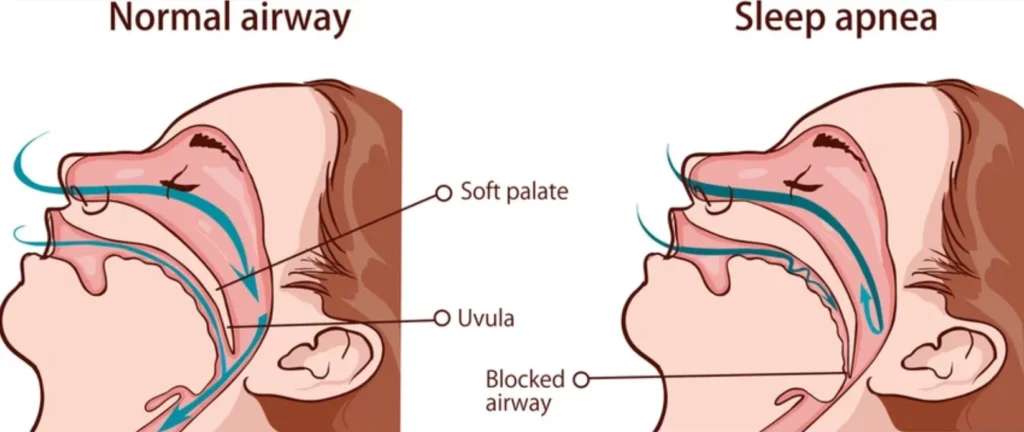
Snoring is more than a punchline. It can chip away at deep sleep, make mornings feel like you never fully powered down, and create tension with the person sharing your bed. And right now, sleep culture is loud—gadgets, apps, trend-driven fixes, and “biohacks” that look simple on a reel but get complicated in real life.
This guide puts the moment into perspective. You’ll see what people are talking about, what to try first, and how to approach mouthpieces with a safety-first mindset.
The big picture: why snoring is suddenly everyone’s business
Sleep has become a productivity status symbol. You’ll see lists of “must-have” sleep products, advice to stop working well before bedtime, and reminders to quit doomscrolling so you don’t donate hours to your phone. Add travel fatigue, irregular schedules, and workplace burnout, and plenty of people are waking up exhausted—and looking for a fix that doesn’t require a full lifestyle overhaul.
At the same time, breathing and airway conversations are trending. Some headlines focus on breathing patterns and how they affect sleep. Others highlight dental approaches for sleep-disordered breathing. That mix can be helpful, but it also creates a perfect environment for shortcuts that aren’t right for everyone.
If you want a quick snapshot of the cultural debate, see this coverage framed as Scientists warn against viral nighttime mouth-taping trend. The takeaway is simple: “viral” doesn’t mean “safe for you.”
What snoring does to sleep quality (and to the mood in your house)
Snoring often starts as a mechanical issue: relaxed tissues vibrate as air moves through a narrowed passage. The impact, though, is emotional. The snorer may feel embarrassed or defensive. The partner may feel trapped between compassion and resentment at 2 a.m.
That stress loop matters. When people feel judged, they avoid the topic. When the conversation is avoided, the problem drags on. Then you get the classic “relationship humor” dynamic—jokes in public, frustration in private, and two people waking up tired.
A quick check-in for couples
Try one sentence that lowers the temperature: “I’m not mad at you—I’m worried we’re both losing sleep.” It frames snoring as a shared problem, not a personal flaw.
Practical steps: a no-drama order of operations
You don’t need twelve gadgets on your nightstand. Start with a few high-leverage moves, then consider tools like a mouthpiece if snoring persists.
1) Reduce the easy triggers (the stuff that sneaks up on you)
Late-night work and endless scrolling keep your nervous system “on.” That can delay sleep and make your breathing more irregular once you finally crash. If you can, create a buffer before bed—dim lights, lower stimulation, and give your brain a clear off-ramp.
Also consider the usual suspects: alcohol close to bedtime, heavy late meals, and sleeping flat on your back. You’re not chasing perfection here. You’re removing friction.
2) Make the bedroom a sleep environment, not a second office
Burnout often turns the bed into a place where you plan, worry, and answer messages. That mental association can keep sleep shallow. Charge the phone away from the bed if you can. If you can’t, at least set a hard “last check” time.
3) Then evaluate an anti snoring mouthpiece
If your snoring is frequent and disruptive, a mouthpiece can be a practical next step. Many designs aim to keep the airway more open by adjusting jaw or tongue position. For some people, that reduces vibration and noise, which can improve sleep continuity for both partners.
If you’re comparing options, an anti snoring mouthpiece is a common search because it addresses two issues people report: mouth opening at night and inconsistent fit. The right choice depends on comfort, breathing patterns, and how sensitive your jaw feels.
Safety and testing: what to avoid, what to watch for
Sleep trends move faster than safety advice. A good rule: anything that restricts airflow, forces a behavior, or creates panic when you wake up is not a casual experiment.
Be careful with “seal it shut” hacks
Mouth taping gets attention because it looks simple. But “simple” isn’t the same as “low risk.” If you have nasal congestion, allergies, reflux, or possible sleep apnea symptoms, forcing mouth closure can be uncomfortable and potentially unsafe. If you’re curious about nasal breathing, start with safer basics like addressing congestion and improving sleep setup.
How to trial a mouthpiece without guessing
Give it a fair test, but keep your standards high:
- Track outcomes: snoring volume (partner feedback), morning dryness, headaches, and daytime sleepiness.
- Watch your jaw: mild soreness can happen early; sharp pain, locking, or bite changes are a stop sign.
- Look for red flags: choking/gasping, observed pauses in breathing, or severe daytime fatigue should trigger medical screening.
Medical disclaimer: This article is for general education and does not diagnose, treat, or replace medical advice. If you suspect obstructive sleep apnea or have persistent symptoms, talk with a qualified clinician or dental sleep professional.
FAQ: quick answers people want right now
Does an anti snoring mouthpiece work for everyone?
No. It helps some people, but results depend on your airway, sleep position, congestion, and whether sleep apnea is involved.
Is snoring always a sign of sleep apnea?
Not always. Still, loud chronic snoring plus gasping, pauses in breathing, or major daytime sleepiness deserves evaluation.
What’s the difference between a mouthpiece and mouth taping?
Mouthpieces aim to improve airway openness by positioning the jaw or tongue. Mouth taping forces the lips closed and may be risky for some sleepers.
How long does it take to get used to a mouthpiece?
Often several nights to a few weeks. Stop and reassess if pain persists or your bite feels different.
Can stress and burnout make snoring worse?
They can. Stress shifts routines, increases late-night stimulation, and can worsen sleep depth—all of which can amplify snoring.
CTA: make tonight easier on both of you
If snoring is affecting sleep quality and the mood at home, you don’t need a trendy hack. You need a plan you can stick with. Start with the basics, then consider a mouthpiece approach that fits your comfort and your goals.