
On a Tuesday night, someone (let’s call him “Dan”) fell asleep on the couch with a phone in hand. One more scroll turned into an hour. He finally went to bed, only to hear the familiar nudge: “You’re snoring again.” The next morning felt like jet lag without the trip.
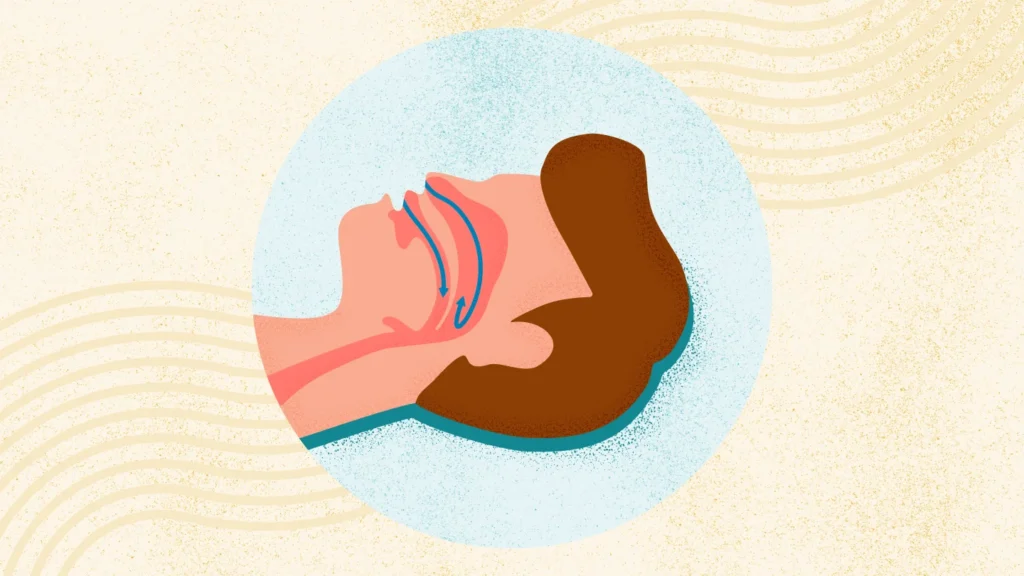
If that sounds familiar, you’re not alone. Sleep has been trending everywhere lately—sleep trackers, “smart” gadgets, and endless advice about routines. But when snoring is the loudest problem in the room, the most helpful move is usually a simple plan, not a new rabbit hole.
What people are talking about right now (and why it matters)
Recent sleep coverage has circled the same themes: basic sleep hygiene, cutting late-night doomscrolling, and practical ways to reduce snoring. There’s also a growing spotlight on anti-snoring devices and how transparent brands are about claims and expectations.
That mix makes sense. Travel fatigue is real. Workplace burnout is real. And relationship humor about snoring is funny until nobody’s rested.
Your decision map: If…then… choose your next step
Use the branches below like a quick filter. You can pick more than one path.
If your snoring is mostly “mouth open” snoring, then start with positioning + mouth closure support
Many people snore more when they breathe through the mouth, especially on their back. Start with two basics: side-sleeping and a gentle focus on nasal breathing (when possible).
If you suspect mouth opening is the main trigger, a combo approach can be worth considering. Here’s a related option to compare: anti snoring mouthpiece.
If you wake up tired even after “enough hours,” then treat sleep quality as the goal (not just silence)
Snoring can fragment sleep for you and your partner. It can also push you into lighter sleep stages. That’s why “I slept 8 hours” can still feel like “I got hit by a truck.”
Build a two-part plan: a tool (like an anti snoring mouthpiece) plus habits that protect deep sleep. For a general refresher, see Expert shares tips on getting better sleep.
If you’re tempted by a viral sleep gadget, then sanity-check comfort, fit, and return policies
Sleep products are having a moment. Some are genuinely useful. Others are more hype than help. Before you buy, ask: “Will I actually wear this all night?”
For mouthpieces, comfort is not a bonus feature. It’s the whole game. A device that sits in a drawer doesn’t reduce snoring.
If your jaw feels sore, then prioritize comfort and “fit logic” over forcing it
A mouthpiece should feel snug, not painful. Mild adjustment is common early on, but sharp pain, tooth pain, or jaw locking is a stop sign.
Try a gradual ramp-up. Wear it for short periods before sleep to get used to the feel. If discomfort persists, consider a different style or talk with a dental professional.
If travel fatigue or burnout is fueling snoring, then protect the basics first
Snoring often gets worse when your routine collapses. Late meals, alcohol close to bedtime, and irregular sleep times can all stack the deck against you.
Keep it simple on rough weeks: consistent bedtime, cooler/darker room, and less late-night scrolling. One change that helps many people is setting a “phone off” time that’s earlier than you think.
Tool-and-technique basics: what makes an anti snoring mouthpiece easier to live with
Most frustration comes from three things: positioning, comfort, and cleanup. Get those right and your odds improve.
Positioning: aim for stable, not extreme
Mouthpieces generally work by helping keep the airway more open during sleep. The best fit is the one that feels stable and doesn’t make you dread bedtime.
Comfort: the “ICI” check (Immediate comfort, Consistency, Integration)
- Immediate comfort: Does it feel tolerable within minutes, not hours?
- Consistency: Can you wear it across different nights (stress, travel, allergies)?
- Integration: Does it work with your sleep position and bedtime routine?
Cleanup: keep it boring and consistent
Rinse after use and clean it regularly based on the product instructions. Let it dry fully. A simple routine reduces odors and helps the device last.
Medical disclaimer (please read)
This article is for general education and does not provide medical advice, diagnosis, or treatment. Snoring can sometimes signal sleep-disordered breathing. If you have choking/gasping at night, loud snoring with pauses, morning headaches, chest pain, or severe daytime sleepiness, seek medical evaluation.
FAQs: quick answers before you choose
Will a mouthpiece fix snoring from congestion?
It may help some people, but congestion often needs its own approach. If you can’t breathe through your nose, mouth breathing can increase snoring.
What if my partner is the one snoring?
Make it a teamwork problem, not a character flaw. Share the decision map, and pick one small change to try for a week.
Is it normal to drool at first?
Extra saliva can happen early on with oral devices. It often improves as you adapt.
CTA: pick one next step tonight
If you want a practical path, start with the branch that matches your situation and commit for 7 nights. Consistency beats novelty in sleep.