
Myth: The newest viral sleep hack is the fastest way to stop snoring.
Reality: Most people do better with boring, repeatable fixes that don’t gamble with breathing.
Right now, sleep culture is loud. Social feeds push gadgets, travel schedules wreck routines, and couples joke about “separate bedrooms” like it’s a life upgrade. Meanwhile, burnout turns bedtime into a second job. If you want a practical, budget-aware path, start with what’s most likely to work: better sleep basics and a targeted tool like an anti snoring mouthpiece when it fits your situation.
First, skip the trend trap (and choose safer defaults)
When a hack goes viral, it often skips the boring parts: who it’s for, who should avoid it, and what to do if it backfires. For example, there’s been fresh chatter about mouth-taping. If you’re curious about the concern, see this coverage: Scientists warn against viral nighttime mouth-taping trend.
Instead of experimenting with something that could limit airflow, aim for changes that are low-cost and low-regret.
A no-waste decision guide: If…then… what to do tonight
Use these branches to avoid buying random sleep gear. Pick the lane that matches your real-life pattern.
If your snoring spikes after late nights, alcohol, or heavy meals…
Then: Treat it like a “schedule and recovery” problem first. Set a cutoff for scrolling, keep bedtime consistent, and avoid alcohol close to sleep when you can. Travel fatigue counts too; jet lag and unfamiliar beds can amplify snoring.
Why this saves money: You might not need a device if the trigger is temporary.
If you mostly snore on your back…
Then: Try position changes before anything else. Side-sleeping strategies can be cheaper than a drawer full of gadgets. If you still snore, a mouthpiece may help depending on what’s driving the sound.
If your partner says the snoring is nightly and loud (and you feel unrested)…
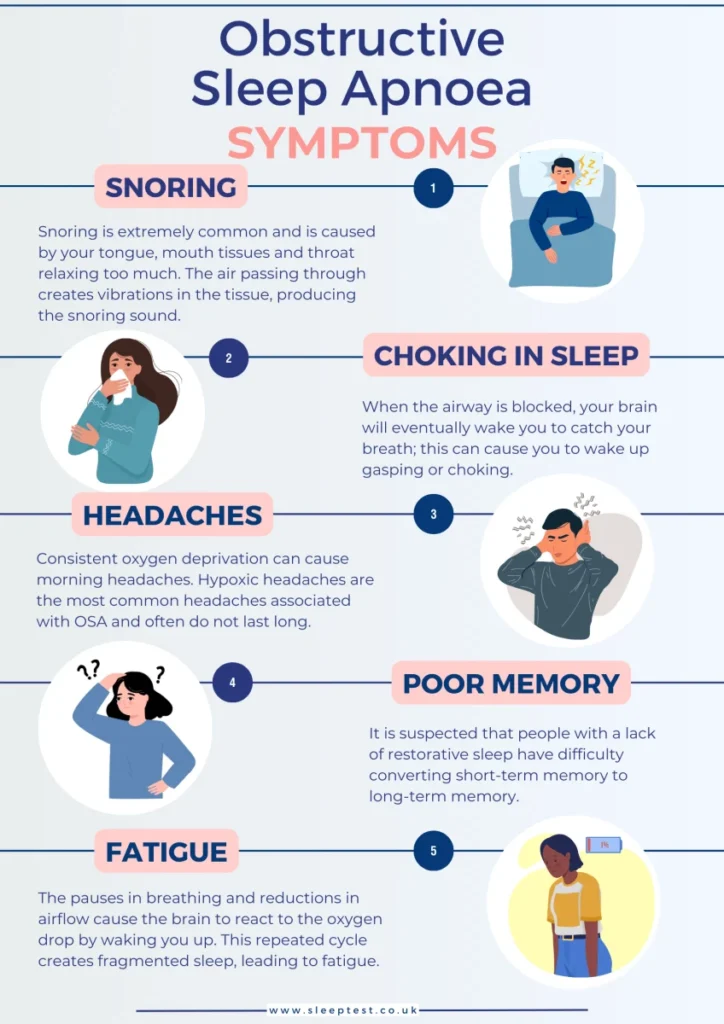
Then: Don’t treat it as “just noise.” Track daytime sleepiness, morning headaches, dry mouth, and any reports of gasping or pauses in breathing. These can be red flags for sleep-disordered breathing.
Next step: Consider a medical check-in, especially if symptoms suggest sleep apnea. Snoring can be harmless, but it can also be a sign something bigger is going on.
If you want a practical tool that targets the airway without complicated tech…
Then: An anti snoring mouthpiece is worth a look. Many designs aim to improve airflow by changing jaw or tongue position during sleep. People like them because they’re small, travel-friendly, and don’t require charging.
If you’re comparing models and price points, start here: anti snoring mouthpiece.
If you already tried “everything” and nothing worked…
Then: Get more specific. “Everything” often means a mix of pillows, sprays, and apps. A focused plan works better:
- Pick one change for 7 nights (example: side sleeping).
- Track one outcome (example: partner-reported snoring or your morning energy).
- Add one tool if needed (example: mouthpiece) and retest.
This approach beats buying a dozen trendy items and guessing what helped.
Where a mouthpiece fits in today’s sleep-gadget moment
Sleep lists are everywhere—white noise machines, cooling pads, sunrise alarms, wearables. Some are helpful, but snoring has a mechanical component. That’s why mouthpieces keep coming up in the same conversations as “sleep quality” and “relationship peace.”
Think of it like this: gadgets can improve the room. A mouthpiece can change what your airway is doing. For the right person, that’s a more direct lever.
Quick safety notes (don’t ignore these)
Stop and get medical advice if you notice choking/gasping at night, witnessed breathing pauses, severe daytime sleepiness, or high blood pressure concerns. These can align with sleep apnea symptoms described by major medical sources. A mouthpiece may still be part of a plan, but the plan should be guided.
FAQs
Are anti-snoring mouthpieces the same as night guards?
No. Some products look similar, but their purpose differs. Many night guards focus on tooth protection, while anti-snoring mouthpieces aim to help airflow.
Is mouth taping safe for snoring?
It’s trending, but experts have raised safety concerns for some people. If you can’t breathe well through your nose or might have sleep-disordered breathing, don’t self-experiment—ask a clinician.
Can a mouthpiece help with sleep apnea?
Snoring and sleep apnea aren’t the same. Some oral appliances are used clinically for certain cases, but you should get evaluated if you have warning signs.
How fast can a mouthpiece reduce snoring?
Some people notice improvement quickly. Comfort and fit matter, so track outcomes over multiple nights.
What if my partner snores and I’m the one losing sleep?
Make it a shared plan. Agree on one change at a time and measure results. That keeps the conversation calmer and the spending smarter.
CTA: Get the simple explanation before you buy
If you want a straightforward overview and next steps, start here:
How do anti-snoring mouthpieces work?
Medical disclaimer: This article is for general education and does not provide medical advice, diagnosis, or treatment. If you suspect sleep apnea or have significant symptoms, consult a qualified healthcare professional.