
On a Sunday night, two people climb into bed after a weekend of travel. One is still answering work messages. The other is already bracing for the soundtrack: snoring that starts soft, then turns into a full-on chainsaw impression.
No one wants a fight at 1:17 a.m. Yet that’s how it goes. One person feels blamed. The other feels desperate for quiet. If this sounds familiar, you’re not alone.
Overview: why snoring feels bigger right now
Sleep is having a moment. People are buying trackers, trying “breathing fixes,” and testing every new bedside gadget that promises deeper rest. At the same time, burnout is real, and doomscrolling can steal hours before you even notice.
Snoring sits in the middle of all of it because it affects two things at once: sleep quality and relationship peace. The goal isn’t perfection. It’s fewer wake-ups and less resentment.
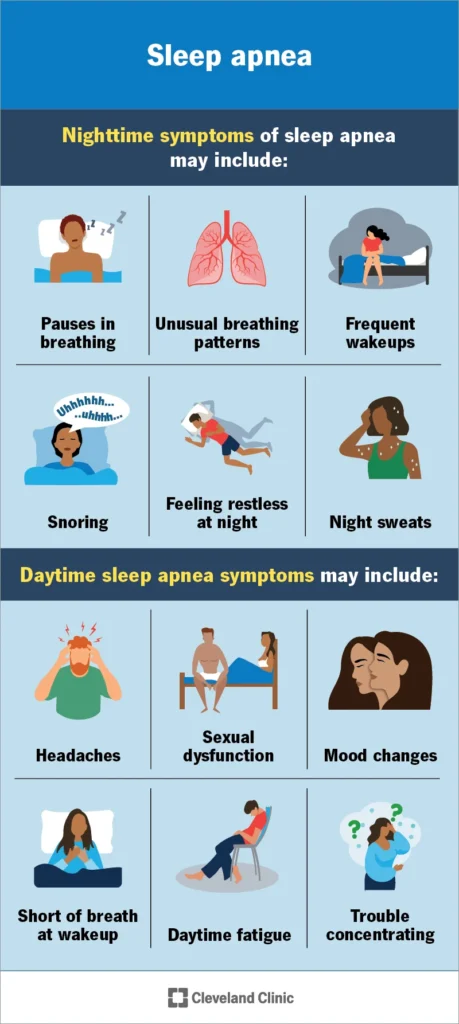
Snoring can be harmless. It can also be a clue that breathing is being disrupted. If you’re worried about bigger issues, skim this related read on 5 Signs Of Sleep Apnea That Most People Miss and use it as a prompt for a real conversation with a clinician.
Timing: when to address snoring (and when not to wait)
Pick a calm moment. Not the moment you’re both awake and angry in the dark. Bring it up over coffee or on a walk.
Start with impact, not accusations. Try: “I’m not getting solid sleep and I’m struggling,” instead of “You keep me up.” That one shift lowers defenses fast.
Don’t delay if these show up
- Breathing pauses, choking, or gasping during sleep (reported by a partner)
- Morning headaches, dry mouth, or feeling unrefreshed most days
- Daytime sleepiness that affects driving, work, or mood
Those patterns deserve medical attention. A mouthpiece may still play a role, but safety comes first.
Supplies: what you need for a smart mouthpiece trial
If you’re exploring an anti snoring mouthpiece, keep the setup simple. You’re testing one variable: whether changing jaw/tongue position reduces snoring and improves sleep continuity.
- A mouthpiece you can fit and adjust as directed
- A way to track outcomes (notes app, partner feedback, or a basic sleep log)
- Optional: nasal strips or saline rinse if congestion is common
If you want to compare styles, start here: anti snoring mouthpiece.
Step-by-step (ICI): Identify → Choose → Integrate
1) Identify your likely snoring pattern
Use quick observations for a week. No lab required.
- Back-sleeping snoring: often worse on your back, better on your side.
- Congestion snoring: tied to allergies, colds, or dry air.
- “I’m exhausted” snoring: worse after alcohol, heavy meals, or late nights.
This matters because a mouthpiece tends to help most when airway narrowing relates to oral anatomy and sleep position, not just temporary stuff like a cold.
2) Choose a mouthpiece with comfort in mind
People quit mouthpieces for one reason: it feels annoying. Prioritize fit, adjustability, and clear instructions. If you have dental work, jaw issues, or TMJ symptoms, check with a dental professional before you commit.
3) Integrate it without turning bedtime into a project
Do this for 10–14 nights before you judge results.
- Follow fitting directions exactly. Don’t “DIY” the fit.
- Use it on normal nights first. Avoid your first night being after a wedding, a red-eye flight, or a stressful deadline.
- Track two outcomes: snoring volume (partner report) and your own wake-ups.
Pair the trial with one boring, high-impact habit: stop scrolling earlier. Many people lose hours to feeds without realizing it, then blame the whole next day on “bad sleep.”
Mistakes that make snoring worse (even with a mouthpiece)
Stacking too many “sleep hacks” at once
If you add a mouthpiece, a new supplement, a new pillow, and a new app in the same week, you won’t know what helped. Change one thing, then reassess.
Ignoring nasal breathing and basic airflow
Breathing patterns are getting a lot of attention lately for a reason: airflow matters. If your nose is blocked nightly, a mouthpiece may not fully solve the problem. Address congestion, bedroom dryness, and sleep position.
Turning the issue into a character flaw
Snoring is not laziness. It’s a mechanical problem with emotional fallout. Keep the conversation practical: “Let’s run a two-week trial and see what changes.”
FAQ
Is snoring always a health problem?
No. But persistent loud snoring plus daytime symptoms or breathing pauses should be evaluated.
Can an anti snoring mouthpiece improve sleep quality?
It can if it reduces snoring-related arousals and helps you stay asleep longer. Results vary by the cause of snoring and the fit.
What if my partner snores but refuses help?
Focus on shared goals. Try: “I want us both to sleep better,” then propose a time-limited experiment rather than a permanent commitment.
CTA: make the next step simple
If snoring is straining sleep and patience, a mouthpiece trial is a straightforward place to start. Keep it measured, track outcomes, and don’t ignore red flags.
How do anti-snoring mouthpieces work?
Medical disclaimer: This article is for general education only and is not medical advice. Snoring can be a sign of a sleep-related breathing disorder such as obstructive sleep apnea. If you have choking/gasping, witnessed breathing pauses, significant daytime sleepiness, or other concerning symptoms, seek evaluation from a qualified clinician.