
Q: Why is everyone suddenly talking about snoring again?
Q: Is it just annoying, or can it mess with sleep health?
Q: Is an anti snoring mouthpiece worth trying before you waste money on another sleep gadget?
Yes, snoring is having a moment—between wearable sleep scores, “smart” sleep accessories, and people joking about separate bedrooms. And no, it isn’t always harmless. The right move depends on what’s causing it and what your nights look like.
What’s trending in snoring and sleep (and why it matters)
Sleep content is everywhere right now. People are comparing sleep metrics like they compare step counts. Travel fatigue is also back in the conversation, and so is the “why am I exhausted even after 8 hours?” question.
Alongside that, device reviews and “legitimacy” breakdowns are getting attention. That’s a signal: buyers want practical tools, not hype. If you’re shopping for a mouth guard-style solution, transparency, fit, and realistic expectations matter more than flashy claims.
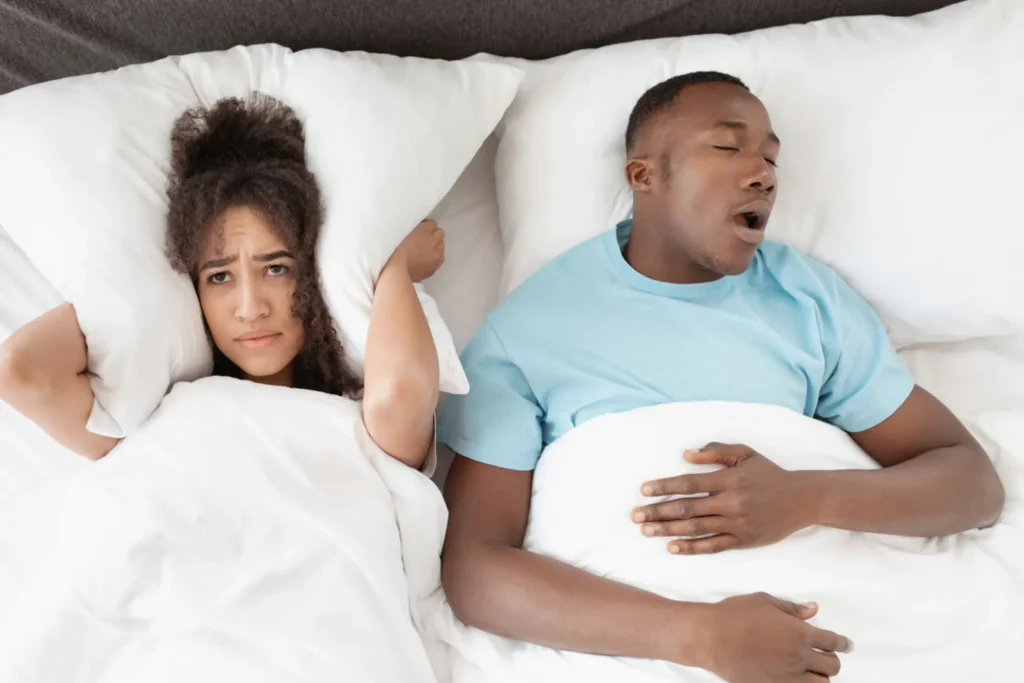
Snoring also keeps showing up in relationship humor for a reason. One person’s “no big deal” can be another person’s nightly wake-up cycle. That sleep disruption adds up fast, especially when workplace burnout is already high.
What matters medically (snoring isn’t always just noise)
Snoring happens when airflow causes soft tissues in the upper airway to vibrate during sleep. Sometimes it’s positional or congestion-related. Other times, it can overlap with obstructive sleep apnea, where breathing repeatedly narrows or pauses.
That’s why “quieting the room” isn’t the only goal. Better sleep quality means fewer interruptions, steadier breathing, and waking up feeling restored.
Red flags people miss
Some signs don’t look dramatic in the moment, which is why they’re easy to dismiss. If you want a quick overview of commonly overlooked clues, see this 5 Signs Of Sleep Apnea That Most People Miss.
In plain terms, pay attention if snoring pairs with choking/gasping, witnessed breathing pauses, morning headaches, dry mouth, or heavy daytime sleepiness. High blood pressure or heart concerns also raise the stakes, so don’t treat it like a pure comfort issue.
How to try at home (without wasting a cycle)
If you’re looking for a budget-first plan, start with changes that cost little and give clear feedback. Track what happens for 10–14 nights so you’re not guessing based on one “good” or “bad” evening.
Step 1: Run a simple snoring experiment
Pick one variable at a time. Otherwise, you won’t know what helped.
- Side-sleep test: Try side sleeping for several nights. Back sleeping often worsens snoring for many people.
- Nasal support: If you’re congested, consider basic nasal rinses or strips before you jump to bigger solutions.
- Alcohol timing: If you drink, notice whether snoring ramps up when alcohol is closer to bedtime.
- Bedroom setup: Dry air can worsen mouth breathing. A humidifier may help some sleepers.
Step 2: Where an anti-snoring mouthpiece fits
An anti snoring mouthpiece is typically designed to support jaw or tongue position to help keep the airway more open. It’s not a “sleep score booster.” It’s a mechanical tool aimed at airflow.
For many shoppers, the make-or-break factors are comfort, fit, and whether it stays in place. If you also deal with mouth breathing or your jaw drops open at night, a combo approach can be appealing. One option to compare is this anti snoring mouthpiece.
Step 3: Use the “two-person” checklist
Snoring is tricky because the snorer often sleeps through it. If you share a room, agree on a simple rating system.
- Partner rating (1–5): loudness and frequency
- Your rating (1–5): morning dryness, headaches, how rested you feel
- Notes: side vs back, congestion, late meals, alcohol timing
This keeps the process practical and reduces the “you’re fine / no you’re not” debates at 2 a.m.
When to stop DIY and get help
Home experiments are fine for mild, situational snoring. They are not the right lane if symptoms suggest sleep apnea or another health issue.
- Snoring plus choking/gasping, witnessed pauses, or frequent awakenings
- Excessive daytime sleepiness, drowsy driving risk, or concentration problems
- High blood pressure, heart concerns, or worsening symptoms over time
- Severe jaw pain, tooth pain, or bite changes with any oral device
A clinician can recommend appropriate evaluation and discuss treatment options. If an oral appliance is suitable, a dental sleep specialist can help with fit and follow-up.
FAQ
Do anti-snoring mouthpieces work for everyone?
No. They can help certain snoring patterns, but they won’t fix every cause—especially if congestion, anatomy, or untreated sleep apnea is driving the problem.
How long does it take to notice a difference?
Some people notice changes quickly. Others need a couple of weeks to adjust fit and comfort and to see consistent results.
Is loud snoring always sleep apnea?
No, but it can be a sign—especially when paired with breathing pauses, gasping, or heavy daytime fatigue. When in doubt, get evaluated.
What’s the difference between a mouthpiece and nasal strips?
Nasal strips focus on nasal airflow. Mouthpieces aim to influence jaw/tongue position to reduce throat vibration and airway narrowing.
Can a mouthpiece replace a CPAP?
For some people, a clinician may recommend an oral appliance. Many cases still require CPAP or other medical treatment, so don’t self-diagnose.
CTA: Get a clear answer before you buy another gadget
If you’re done guessing, start with the basics: track your nights, test one change at a time, and choose a device that matches your situation.
How do anti-snoring mouthpieces work?
Medical disclaimer: This article is for general education only and is not medical advice. It does not diagnose or treat any condition. If you have symptoms of sleep apnea or significant daytime sleepiness, talk with a qualified healthcare professional.